You may have a useful reflection routine without having a permanent reflection corner. The quiet seat changes as people move through the home, the table serves another task later, and the notebook you meant to open can end up in a room where someone else is working.
A small portable kit can support that reality without requiring a dedicated space. Choose the few things you actually use, give them suitable storage, and decide how the kit moves to a clear surface and returns again when the room needs to change.
Choose the activity before packing the kit
Name the short activity you want to make possible, such as reading a passage, writing a personal note, or reviewing a question you have been considering. A kit for one of those activities can stay much smaller than a collection meant to accommodate every possible quiet moment.
Set out the materials you currently reach for and notice which ones you use together. One book and a notebook may be enough, while a second book might belong on the main shelf until you need it, rather than traveling around the home because it might become useful someday.
Keep the activity separate from the appearance of the container. A plain pouch or tray you already own may handle the selected materials well, and you can learn what needs to travel before deciding whether a new bag, basket, or case would make the process easier.
If your kit includes faith materials, choose them according to your own practice rather than a universal list. Another person’s prayer book, journal format, or reading sequence can be meaningful in their setting without becoming a requirement for the way you use a quiet interval in your home.
Check how the materials travel together
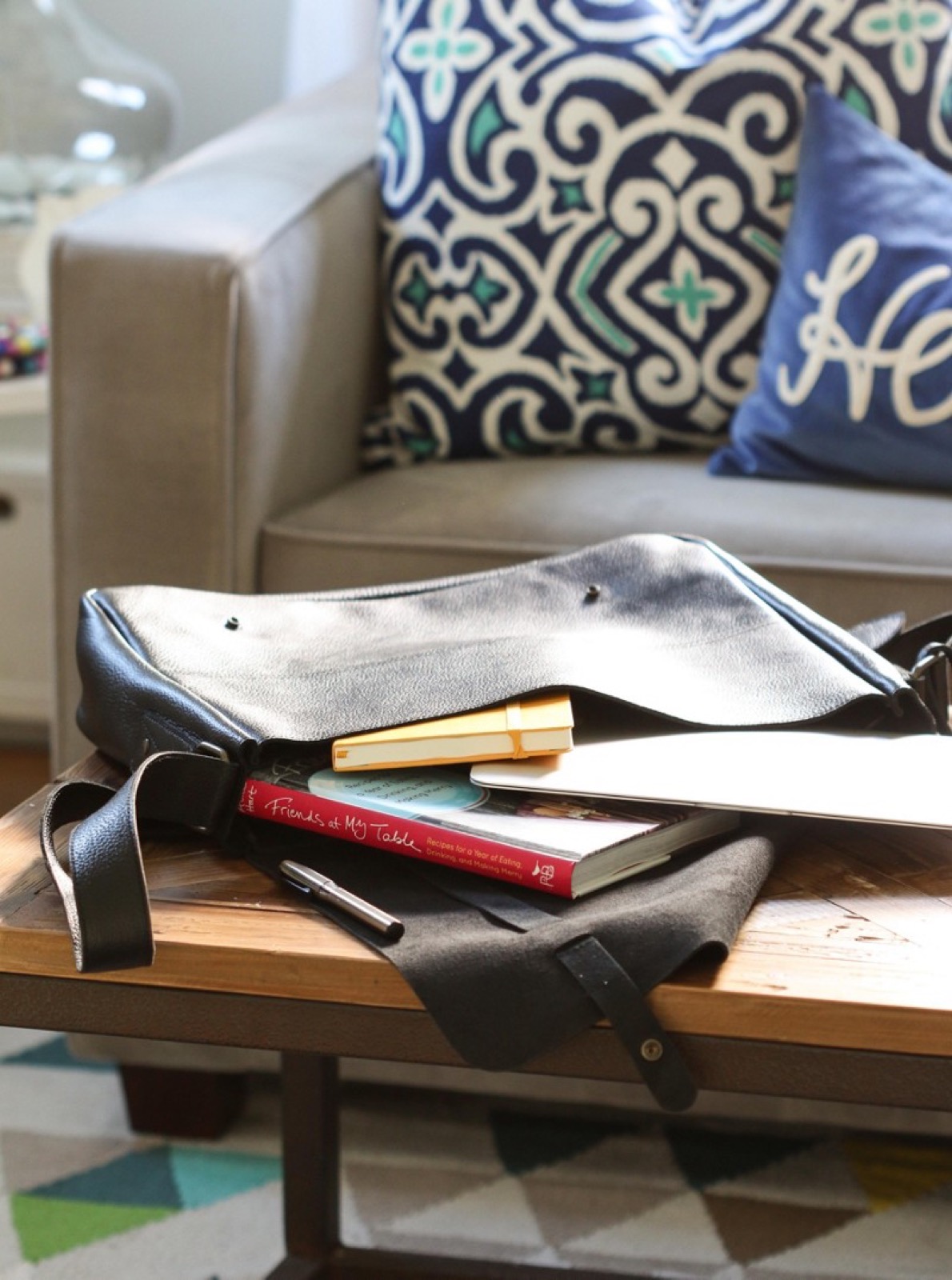
Try the selected contents in the container before adding anything else. You should be able to place the book and notebook inside without forcing them into a shape, and you should be able to lift out the item you need without pulling the whole collection onto the floor.
Consider how the container closes, where a pen belongs, and whether loose papers stay with the notebook they relate to. A kit that becomes a mixed pile during each move may need fewer items or a different internal arrangement rather than a larger outside container.
Carry it along the actual route between storage and your possible seats. Include the ordinary interruption of opening a door or finding the surface already occupied, so you can judge the arrangement in use instead of only deciding that the packed kit looks manageable on a table.
If an item needs handling or storage that the portable setup cannot provide, let it stay in its appropriate place. You can choose a different current reading copy or leave the item out, rather than making a meaningful or fragile book carry the demands of every room change.
Choose a landing place before opening the book
Look for a surface that is actually available for the session rather than balancing the kit on the nearest occupied chair. Move only what you have permission to move, and choose another spot when the proposed landing would interfere with someone else’s work or belongings.
The Library of Congress book-handling guidance recommends preparing a clean, unobstructed landing surface and not forcing an open book completely flat. Those handling boundaries remain relevant when you move a book between rooms, even though a portable kit is your own household arrangement.
Set the container where you can return materials without reaching around a drink or another person’s project. You may decide to leave the closed kit beside the seat while only the book and notebook occupy the working surface, keeping the active area smaller than the entire collection.
When the book needs support, use an arrangement appropriate to the item rather than weighing the pages down with whatever is nearby. A portable container is not evidence that every book can be used on every surface, and convenience should not decide the handling of an older or delicate volume.
Make room changes ordinary
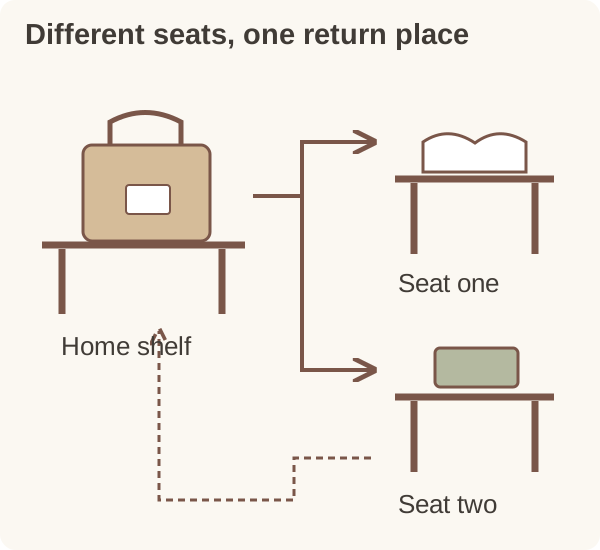
Decide how you will respond when the first location is unavailable. You might use a second seat, shorten the session, or wait for another opening, and naming those options in advance can keep a changed room from becoming an argument about whose activity belongs there.
Ask about the likely duration when someone else is already using the space, without assuming they should leave because your activity is quiet. Shared rooms support several legitimate uses, and the point of portability is to create options rather than a stronger claim on the most comfortable corner.
If you choose another room, check the practical conditions again. The landing surface, lighting, and interruptions may differ, so carry the useful materials without expecting the new location to reproduce every detail of the seat you originally had in mind.
You can keep a small note about where you stopped so a move does not require restarting your thought. Write the next question or page reference plainly, then close and put away the materials rather than leaving an open display to reserve the room while you are elsewhere.
Keep private writing private while moving
A portable kit can cross several people’s paths in a day, so decide what should remain visible when it is closed. A plain cover may be useful for an ordinary notebook, but the real storage arrangement still needs to match who should have access to its contents.
Do not treat a closed bag left on a shared table as protected storage for sensitive records. If your writing contains information that needs a more restricted place, return it to that place after the session rather than assuming that the kit’s ordinary appearance settles the privacy question.
Tell household members where the kit belongs and whether they should leave the contents alone. A simple agreement can prevent accidental rearranging, while keeping the explanation focused on the handling you want rather than asking people to read the pages to understand why they matter.
If another person wants to borrow a book or pen from the collection, decide that separately from access to the notebook. The useful parts of a portable set do not all have to share the same audience, and you can lend one ordinary item without opening the rest to inspection.
Give the session a small closing step
When the interval ends, mark your place in an appropriate way, put the pen back, and check for loose papers that belong with the notebook. Return each item deliberately rather than sweeping everything into the container while trying to begin the next household task at the same time.
Take the kit back to its known storage place unless you have agreed on a different location. Leaving it at whichever seat you last used makes the next session begin with a search, and the portable collection can gradually become scattered again even when its contents started out carefully chosen.
Review the contents when your activity changes. A completed notebook can move to its appropriate storage, a finished book can return to the shelf, and the next small selection can take their place without requiring you to keep carrying the history of every earlier session.
The kit’s purpose is modest: you know what you want to use, where you can set it down, and how it returns when the shared room changes. That can give a personal reading or reflection habit a practical home without requiring one fixed corner to remain yours throughout the day.
