In this reading
- Zinsser Bulls Eye 1-2-3 Primer
- Zinsser 3608 Cover Stain Spray Primer
- Rust-Oleum Zinsser High Hide Cover Stain Primer
- Zinsser Molding Blocking Spray Primer
- Zinsser Bulls Eye Oil-Based High Hide Primer
- Buying Guide
- Base Type And Odor
- Surface Compatibility
- Stain Blocking Strength
- Dry Time, Recoat Window, And Coverage
- Application Method
- Safety, Cleanup, And Environmental Impact
Choosing the right stain blocker primer can prevent stains from bleeding through paint, improve adhesion on glossy or difficult surfaces, and reduce repaint cycles. This guide highlights five top performers that work across interior and exterior projects, from knotty wood to plaster, and from odor to water stains. Each option below offers robust stain-blocking abilities, quick dry times, and solid coverage. Read on to see how these primers differ in base type, odor, and application, so you can pick the best fit for your next painting job.
| Product | Brand | Type | Notable Benefit |
|---|---|---|---|
| Zinsser Bulls Eye 1-2-3 Primer | Zinsser | Water-based stain blocker | Sticks to glossy surfaces; sands-free adhesion; fast dry |
| Zinsser 3608 Cover Stain Spray Primer | Zinsser | Oil-based spray primer | Ultimate hiding power; no sanding; blocks tannin bleed |
| Rust-Oleum Zinsser High Hide Cover Stain Primer | Zinsser | Oil-based primer and sealer | Hides dark colors; seals exterior wood; blocks tannin bleed |
| Rust-Oleum Zinsser Molding Blocking Spray Primer | Zinsser | Water-based spray primer | Blocks mold, mildew, and odor-causing bacteria; quick recoat |
| Zinsser Bulls Eye Oil-Based High Hide Primer | Zinsser | Oil-based stain blocker | Blocks water, smoke, and tannin stains; bright white finish |
The following sections dive into five top options, explaining where each primer excels, typical surfaces, and practical application tips so you can match the product to your project needs.
Zinsser Bulls Eye 1-2-3 Primer

Zinsser Bulls Eye 1-2-3 is a versatile water-based stain blocker designed for interior and exterior use. It adheres well to new or previously painted drywall, concrete, wood, masonry, metal, and glossy surfaces, which means it can serve as a reliable base on many materials without extensive sanding. The formula seals uniformly, reducing the risk of blotches or uneven edges when a topcoat is applied. It dries to the touch in about 35 minutes and is ready to topcoat in roughly an hour, enabling faster project completion. Coverage ranges from about 87 to 112 square feet per quart, depending on porosity and surface texture.
Application advice emphasizes minimal surface preparation: a clean, dry surface is sufficient, and the product’s bonding strength helps it stick to difficult substrates without sanding. This makes it a practical choice for repairs or updates where time matters. For high-traffic or glossy areas, Bulls Eye 1-2-3 can provide a stable base for durable topcoats. It’s also a solid option when a low-odor, quick-dry solution is preferred, though those seeking an odorless or ultra-fast-cure option might consider other formulas in this guide.
Typical uses include sealing water or smoke stains on walls, priming glossy cabinetry, and preparing metal surfaces for paint. While it excels on many surfaces, heavy tannin bleed and persistent stains may benefit from an oil-based or high-hide primer for superior blocking. Overall, this water-based option balances ease of use, quick turnaround, and reliable adhesion for most DIY and professional projects.
Zinsser 3608 Cover Stain Spray Primer

3608 Cover Stain is an oil-based spray primer that emphasizes high hiding power and robust stain-blocking capabilities. Its spray format makes it especially suitable for vertical surfaces, recessed areas, and projects where brushing or rolling would be cumbersome. The product seals stains, blocks tannin bleed, and promotes excellent adhesion to a wide range of substrates. Importantly, it requires no sanding prior to topcoating, which can reduce prep time significantly. The spray formula also helps to achieve a uniform finish on intricate surfaces where brush marks might be visible.
Because it is oil-based, expect a stronger odor and longer cure time than water-based primers. Ventilation is advised, and cleaners should be compatible with oil-based products. Surfaces that have been previously painted or heavily stained—such as dark wood tones or nicotine-impacted walls—benefit especially from Cover Stain’s blocking strength. This makes it a strong choice for renovations, restoration projects, and areas where a deep, uniform base is essential before applying a finish coat.
In practice, 3608 is well-suited for kitchen cabinets, doors, baseboards, and furniture where a seamless, dark-color blocking effect is desired. It is less ideal for spaces requiring ultra-low odor or for projects with sensitivity to solvents, but its performance on difficult stains is widely recognized by professionals and DIYers alike. If you need a spray-on primer that reduces post-priming sanding and delivers solid stain blocking, 3608 is a compelling option.
Rust-Oleum Zinsser High Hide Cover Stain Primer

The High Hide Cover Stain Primer offers strong hiding power in a traditional oil-based formula. This primer is designed for exterior and interior use on previously painted drywall, cured plaster, wood, metal, and concrete. It excels at concealing dark colors and blocking tannin bleed that can otherwise migrate through topcoats. The oil-based composition provides robust adhesion and durability, making it suitable for challenging surfaces where stronger blocking is needed. Drying times are brisk, with the product typically drying to the touch in about 35 minutes and covering up to 100 square feet per application.
Best suited for projects involving dark stains or tannin bleed from natural woods, this primer forms a solid foundation for a wide range of topcoats, including latex and enamel paints. Its sealing properties also help prevent bleed-through on exterior wood, which can be especially problematic in sun-exposed areas. While it offers excellent coverage, users should consider ventilation and odor management due to its oil-based nature. This primer remains a go-to option for professionals tackling stubborn staining and color-blocking challenges where premium hiding power matters.
For preparation, ensure surfaces are clean, dry, and free of loose particles. Although sanding is not always required, light smoothing can help improve adhesion on glossy or slick surfaces. A single coat often delivers satisfactory results, though a second coat may be beneficial for very dark stains or highly porous substrates. In short, High Hide is a dependable choice when you need a durable, stain-blocking base with strong coverage and fast recoat potential.
Zinsser Molding Blocking Spray Primer
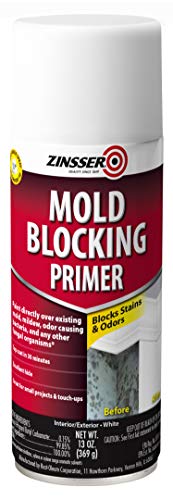
The Molding Blocking Spray Primer is a practical option for projects near molding, trim, and other tight architectural details. This spray-on primer blocks existing mold, mildew, and odor-causing bacteria without requiring extensive pre-cleaning, which can save time on renovation jobs. It is a low-odor, water-based coating that cleans up easily with soap and water, making it friendlier to indoor environments. Coverage is more limited due to spray format—typically 8-10 square feet per can—making it ideal for spot priming, small repairs, or localized staining concerns while you work on larger areas with other primers.
Application benefits include rapid dry-to-touch times (about 5 minutes) and a recoat window of approximately 30 minutes, enabling quick project turnarounds. This product shines on surfaces where odor control and mold resistance are priority considerations, such as bathrooms, basements, or areas with natural humidity. It’s particularly useful in kitchens and corridors with mold-prone conditions, where a rapid, targeted priming solution can help stabilize the substrate before painting with a more robust topcoat.
Zinsser Bulls Eye Oil-Based High Hide Primer

The Bulls Eye Oil-Based High Hide Primer is designed for demanding stain-blocking tasks with an oil-based foundation. It specifically targets water, smoke, and tannin stains while delivering a bright white finish that remains non-yellow over time. The high-hide formulation provides excellent coverage on problematic surfaces and is known for its strong sealing properties. A hallmark of this product is the absence of lingering odors, contributing to a more comfortable indoor painting experience. This primer is well-suited for knotty wood, smoke-impacted walls, and other stubborn staining scenarios where a solid, opaque base is essential.
Users should anticipate a typical oil-based workflow: ensure proper ventilation, clean surfaces, and allow adequate dry time before topcoating. This primer pairs well with latex or oil-based topcoats, providing a durable, long-lasting foundation that resists bleed through. While the finish is white and bright, you may want to select a shade aligned with your final paint color to minimize the amount of topcoat required for uniform coverage. Overall, it’s a robust choice for projects featuring persistent stains and a need for reliable hide power.
Buying Guide
Base Type And Odor
Primers come in water-based (latex) and oil-based formulas. Water-based primers are easier to clean, have lower odor, and dry quickly, making them ideal for interiors and light-to-moderate stains. Oil-based primers typically offer stronger stain blocking and superior adhesion on difficult surfaces, but they carry stronger odors and longer dry times. Consider room ventilation and sensitivity to solvents when choosing between these bases. Some products also include low-VOC formulations, which balance odor and performance for interior spaces.
Surface Compatibility
Evaluate where the primer will be applied. For glossy surfaces, metal, or previously sealed materials, primers with adhesion advantages (often oil-based) can deliver better results. Porous substrates like raw wood or plaster may benefit from oils with high hide, while drywall and interior walls can often be primed effectively with water-based products. Exterior substrates, concrete, and masonry may require specialized primers that resist tannin bleed and provide durable sealing against weather exposure.
Stain Blocking Strength
Different stains require different blocking power. Water stains, smoke residues, nicotine, and tannins require robust blockers. Oil-based formulas often provide stronger tannin and water-stain blocking, while water-based options reliably handle common staining without strong solvent odors. In projects with persistent mold or odor, consider a product specifically designed for odor and mildew control in addition to stain blocking.
Dry Time, Recoat Window, And Coverage
Dry times influence project pacing. Water-based primers typically dry to touch within 30-60 minutes and allow topcoats in roughly an hour, depending on temperature and humidity. Oil-based primers usually require longer cure times and thorough ventilation. Coverage varies by porosity; smooth surfaces may yield higher square footage per quart, while rough or highly porous substrates lower coverage. If you’re working on a large area, plan for primer with faster recoat times or a larger can size to minimize rest times between coats.
Application Method
Primer options include brush, roller, and spray applications. Sprays are convenient for tight spaces and intricate molding but can be used efficiently for large flat surfaces as well with proper technique. Water-based primers are easier to clean and safer for indoor use, while oil-based formulas deliver superior blocking on tough stains but require solvent-based cleanup. Select a product whose application method matches your skill level, the project scope, and ventilation conditions.
Safety, Cleanup, And Environmental Impact
Safety matters, especially in occupied homes. Choose low-odor, low-VOC products when possible to minimize indoor air exposure. Clean up oil-based primers with mineral spirits or mineral spirits substitutes, while water-based primers rinse with soap and water. Proper disposal of containers and any rags used with oils is important to prevent spontaneous combustion hazards. For sensitive environments, such as nurseries or hospitals, opt for products labeled low-odor and low-VOC and consider barrier methods to reduce indoor exposure.
In summary, the best stain blocker primer for your project depends on surface type, stain category, odor tolerance, and drying schedule. Water-based options excel in convenience and quick turnover, while oil-based formulas offer stronger blocking on stubborn stains and glossy surfaces. Spray primers provide rapid, targeted coverage for intricate areas, while traditional cans remain reliable for larger, uniform applications. By assessing base type, surface compatibility, stain strength, and application needs, you can select a primer that delivers durable adhesion and a clean, even finish for your painting project.