Best Roofing Underlayment for Shingles: Top 5 Options
Choosing the right roofing underlayment is essential for protecting the roof deck, improving long-term performance, and easing installation. This guide highlights five top underlayments that balance durability, moisture control, and installation efficiency for asphalt shingles. Each option below is well suited to different climates, roof sizes, and project goals, helping homeowners and pros select a reliable secondary barrier before shingles go on.
Use the summary table to compare core strengths at a glance, then read detailed product sections to understand how each underlayment performs in real-world scenarios. All selections are synthetic or reinforced felt varieties designed to provide a durable, weather-resistant layer beneath shingles.
| Product | Brand | Key Benefit |
|---|---|---|
| DuPont Roof Protector Underlayment | DuPont | Four-layer construction with tear resistance and grip |
| Grip-Rite SL154250LWE | Grip-Rite | Lightweight, durable, and UV-stable with large roll coverage |
| SQQEZ Self-Adhesive Sheds Roof Underlayment | SQQEZ | All-in-one adhesive, waterproofing, and repair elements |
| FT Synthetics Platinum Underlayment | FT Synthetics | High-strength polyolefin, GRIPSPOT traction, recyclable |
| Grace Select Roll Underlayment | Grace | Self-adhered, lightweight, easy to handle |
DuPont Roof Protector Underlayment
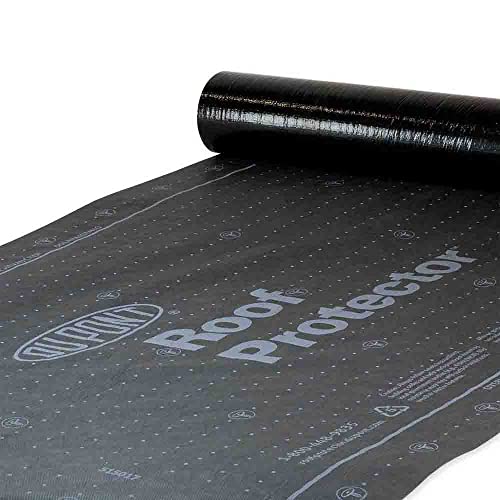
DuPont Roof Protector Underlayment is designed for durability and weather protection. Its four-layer construction improves tear resistance compared with traditional roofing felt, helping the material withstand installation stresses and wind uplift. The top layer delivers good grip for safe walking on the roof, reducing slip hazards for installers. The lamination layer acts as an additional moisture barrier, while the woven polypropylene scrim provides strength and dimensional stability during exposure and handling. A slip-resistant coating enhances footing as crews move across the deck.
This underlayment serves as a reliable secondary moisture barrier during shingle installation and protects the roof deck should shingles become damaged or delayed. With a wide roll width and long run length, it minimizes seams and speeds up large projects. It performs well in fluctuating temperatures and moderate to heavy rainfall scenarios, making it a strong all-around choice for diverse American climates.
Grip-Rite Synthetic Roofing Underlayment

Grip-Rite SL154250LWE is a synthetic roofing underlayment designed for efficiency and strength. It’s lighter and tougher than traditional felt, giving crews easier handling and better performance on the roof. The product’s large 48-inch by 250-foot roll size reduces the number of seams, speeding installation and reducing labor time. It is made from tough woven polypropylene, which provides high tensile strength and resistance to tearing and blowoffs in windy conditions. A UV treatment protects the material on exposed roof surfaces for up to 180 days, making it suitable for staggered or extended installation schedules.
As a long-lasting secondary barrier, this underlayment helps shed water away from the deck even if shingles are temporarily compromised. It’s compatible with most asphalt shingles and is a practical choice for mid- to large-scale residential roofs where installers prioritize speed without sacrificing protection. Its combination of grip, durability, and UV resilience makes it a versatile option for homeowners and contractors in diverse U.S. climates.
SQQEZ Self-Adhesive Roof Underlayment

SQQEZ combines multiple roofing necessities into a versatile underlayment system. The Roof Protector Underlayment Roll portion is positioned for leak repairs and moisture control on roofs, metal surfaces, gutters, balconies, and more. The Asphalt Repair Tape element adds high-adhesion sealing capability with resistance to heat, cold, and water, enabling long-term integrity in diverse weather. The self-adhesive membrane is easily cut to fit irregular roof areas and provides a seamless seal with minimal installation effort. This product is well-suited for quick leaks fixes and temporary waterproofing during restoration projects.
In practice, SQQEZ offers a flexible option for homeowners performing DIY repairs or contractors handling retrofit work on existing structures. Its self-adhesive properties simplify installation on difficult corners and joints, while its broad application range supports waterproofing on balconies, basements, and exterior cladding. The combination of protection, repair, and sealing features makes it a practical choice when a versatile, all-in-one solution is desired.
FT Synthetics Platinum Underlayment

FT Synthetics Platinum underlayment emphasizes professional-grade strength with a 20 mil polyolefin formulation. This thickness provides superior durability compared with traditional felt, reducing the risk of tearing during installation and after exposure to the elements. A 48-inch by 250-foot roll delivers broad coverage with fewer seams, speeding up the project while maintaining consistent deck protection. The GRIPSPOT slip-resistant surface enhances traction for installers working in dry or wet conditions, improving safety on steep pitches or uneven surfaces.
Additional sustainability features include recyclability and a lifetime warranty, which can be appealing for longer-term project planning. This underlayment is a strong option for higher-end installations where durability, safety, and environmental considerations matter. Independent of climate, the combination of strength, slip resistance, and coverage makes FT Synthetics a solid choice for professional crews and informed DIYers alike.
Grace Select Roll Underlayment
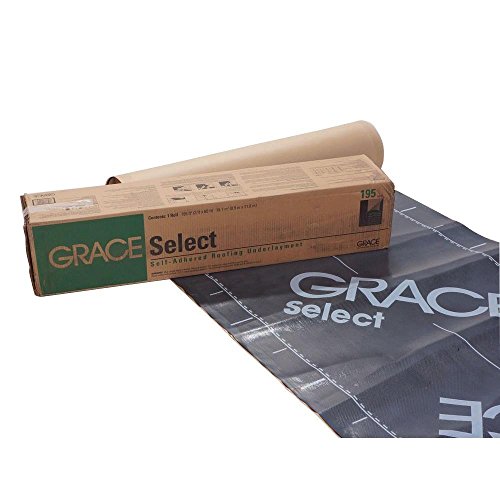
Grace Select is a self-adhered and self-sealing roll underlayment designed for homeowners who value ease of use and quick protection. It is lightweight and straightforward to handle, making it particularly friendly for DIY roof projects as well as professional applications. The self-adhesive feature minimizes the need for staples or nails and provides a reliable seal against moisture infiltration. This underlayment typically performs well in residential settings where fast installation and dependable adhesion are priorities.
For climate considerations, Grace Select suits many temperate regions and shingle configurations. Its simple, effective moisture barrier helps minimize wind-driven moisture intrusion during installation and serves as a durable secondary layer even in fluctuating conditions. While it may lack some of the advanced features of higher-priced synthetics, it remains a practical, user-friendly option for standard roofing jobs on homes and small structures.
Buying Guide
Choosing the right roofing underlayment involves balancing material composition, installation needs, climate, and budget. The following considerations help clarify options and explain how to match a product to a project:
- Material type: Synthetic underlayments (polypropylene, polyolefin) generally offer greater tear resistance, lighter weight, and longer lifespans than traditional felt. In contrast, some self-adhesive options provide a faster seal and fewer installation steps, which can be advantageous on complex roofs.
- Adhesion and sealing: Self-adhering membranes reduce the need for fasteners and can improve waterproof performance at joints and edges. Non-adhesive types may require more fasteners but can be preferred in certain climates or for specific shingle systems.
- Thickness and durability: Higher mil thickness often correlates with better tear resistance and longer service life. However, thicker materials may be stiffer to handle on small or steep roofs, so assess installer comfort and roof pitch.
- Roll size and coverage: Larger rolls reduce seams and labor but can be heavier to transport. For big jobs, a 48″ width is common, while smaller roofs may benefit from standard widths. Calculate needed coverage to minimize waste and time on the job.
- UV exposure rating: If the underlayment will be exposed to sunlight before installation, UV resistance duration matters. Some products are rated for several weeks of exposure; others offer longer protection.
- Wind uplift resistance: On high-wind sites, extra tear resistance and robust bond along edges help prevent blowoffs. Synthetic underlayments often deliver stronger performance in breezy conditions than felt.
- Climate compatibility: In hot or humid areas, heat resistance and moisture management are crucial. In colder regions, freeze-thaw stability and sealing performance become more important.
- Recycling and sustainability: Some brands emphasize recyclability or reduced environmental impact. If sustainability matters, check warranty and material recyclability.
- Warranty and service life: Many synthetic underlayments come with extended warranties. Consider the expected lifespan and whether the warranty covers manufacturing defects, seam performance, and UV exposure.
- Shingle compatibility: Ensure the chosen underlayment is compatible with your roofing system and local building codes. Most asphalt shingle installations pair well with modern synthetic underlays, but always verify.
In practice, selecting the right option depends on the project scope and regional conditions. For large residential roofs where speed and durability matter, a 48-inch roll with robust tear resistance and UV stability can deliver significant time savings. For smaller DIY projects or retrofit work, a lightweight, self-adhering option that offers simple handling and strong sealing may be more appropriate. Consider combining a strong, tear-resistant underlayment with a self-adhesive product in areas prone to leaks or heavy rainfall to maximize protection without sacrificing install efficiency.