Best Grit for Sanding Furniture: Top Sanding Sponges for Smooth Finishes
Choosing the right grit is essential for furniture projects. Coarser grits remove old finish and shape surfaces quickly, while finer grits bring out a smooth, ready-to-paint or stain finish. For most wood pieces, a progression from 60/80 to 120/180/220 grit covers stripping, smoothing, and final prepping. A sanding sponge combines versatility with control, letting you reach contours, edges, and joints where a handheld block or power sander might struggle. The products below focus on durable, washable sponges that perform well in both dry and wet sanding, helping you achieve durable finishes with less effort. Use these as trusted options across projects like sanding chairs, tabletops, and cabinet doors.
| Product | Grit Range | Why It Stands Out |
|---|---|---|
| MOWPOG 8 Pack Sanding Sponge | 60/80/120/220 | Four grits in one set; washable and reusable; durable high-elastic sponge with brown corundum. |
| Giying6 6 Pack Premium Sanding Sponges | 80/120/180/220 (plus 120 in trip), 80 and 180 and 220 | Optimized combo for drywall to furniture finishing; durable aluminum oxide; wet/dry reuse. |
| S&F STEAD & FAST Sanding Blocks | 60/80/120/220 | Premium European foam; versatile for wood, metal, drywall; effective for finishing touches. |
| Romeda 8-Pack Sanding Sponge | 60/80/120/220 | Color-coded grit blocks; high-density, tear-resistant; versatile for furniture and drywall prep. |
| YNZDRWA 8 Pack Sanding Sponge | 60/80/120/180/220 | Five grit options for broad projects; washable and reusable; strong electrostatically adhered sponge. |
MOWPOG 8 Pack Sanding Sponge Review

The MOWPOG set includes eight sanding blocks across four grits: 60, 80, 120, and 220. Each grit has two blocks, offering a balanced supply for quick project cycles. The blocks are designed for hand sanding, measuring 4 inches by 2.75 inches by 0.65 inches, which makes them easy to grip during long sessions or while working around corners. A key feature is the high-elastic sponge material combined with premium brown corundum, which provides flexibility and reduces the risk of gouging delicate wood. The packaging emphasizes that these sponges are washable and reusable, an advantage for projects involving multiple finishing steps. For furniture tasks such as removing old finishes or smoothing between coats, these sponges can bridge the gap between power sanding and fine detail work.
- 4 Different Grits: 60/80/120/220 with 2 blocks per grit for efficient progression.
- Hand-friendly size: 4″ x 2.75″ x 0.65″ for controlled, precise sanding.
- Durable construction: High-elastic sponge and brown corundum resist wear and grain loss.
- Washable and reusable: Reduces waste and extends product life.
- Ideal hand-sanding option for areas a power sander can miss.
Giying6 Premium Sanding Sponges, 6 Pack

The Giying6 kit bundles six sponges with a focus on versatility and longevity. The package includes three 120-grit sponges and one each of 80, 180, and 220 grits, enabling a full sand-through in fewer steps. The sponges are built with industrial-grade brown aluminum oxide and an electrostatic adhesion process to ensure even grit distribution and tear resistance. They work well on wood, metal, drywall, and painted surfaces, which makes them suitable for both furniture refinishing and broader home improvement tasks. The design supports wet or dry sanding, allowing you to wash and reuse them after projects without significant degradation. This helps maintain consistent results across coatings and finishes.
- Optimized grit combo: 80/120/180/220 with emphasis on 120 as a core finishing grit.
- Durable materials:Industrial brown aluminum oxide with electrostatic adhesion.
- Washable and reusable: Suitable for both wet and dry sanding to save time and waste.
- Multi-surface compatibility: Wood, metal, drywall, and painted surfaces.
S&F STEAD & FAST Sanding Blocks
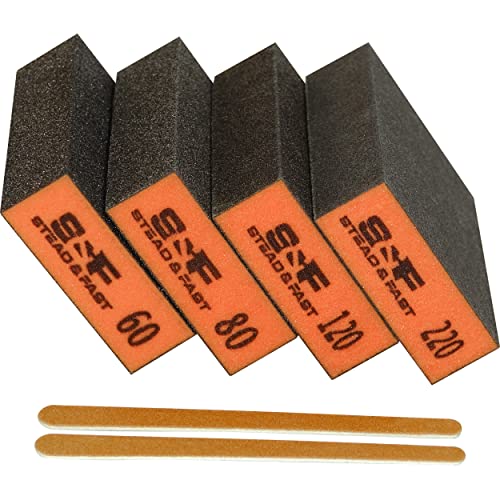
The S&F STEAD & FAST set focuses on a robust, premium foam body paired with aluminum oxide abrasive discs, available in four grits: 60, 80, 120, and 220. This combination is particularly useful for furniture projects that require a balance between aggressive material removal and smooth finish. The high-density European foam provides good support and reduces hand fatigue during longer sessions. The blocks are designed for versatility across woodworking, painting, metal work, and drywall prep, making them a practical option for hobbyists and professionals who handle mixed-material refinishing. The blocks are described as durable and capable of delivering even results, especially when shaping edges, bevels, and joints on furniture pieces.
- Four grits: 60/80/120/220 for a complete sanding sequence.
- Premium foam: Robust, durable support for hand sanding.
- Aluminum oxide abrasive: Consistent performance across surfaces.
- Multi-purpose: Suitable for wood, metal, drywall, and finishing tasks.
Romeda 8-Pack Sanding Sponge

Romeda’s eight-sponge assortment presents four grit levels at 60, 80, 120, and 220, with two blocks per grit. The color-coding helps users quickly identify the grit size during a long sanding session. The sponges are made from a high-density, tear-resistant material designed to remain flexible under pressure, which is beneficial when sanding contoured furniture or curved surfaces. This flexibility helps reduce clogging and ensures even contact with wood fibers. The kit’s versatility extends to drywall and metal surfaces, making it a practical option for a kitchen renovation or a full furniture refinish that cycles through stripping, smoothing, and polishing stages.
- Assorted grit blocks: 60/80/120/220, two blocks per grit.
- High-density, flexible material: Durable and tear-resistant.
- Versatile use: Wood, drywall, metal, and primer prep.
- Color-coded design: Quick grit identification during projects.
YNZDRWA 8 Pack Sanding Sponge

YNZDRWA offers eight sanding blocks across multiple grits to cover coarse to fine refinishing needs. The product line states 60/80/120/180/220 grits with two blocks per grit, allowing a full range for furniture projects from stripping to final smoothing. The blocks are built from industrial-grade brown corundum with a specialized electrostatic process, which enhances grit adhesion and reduces tearing. They are designed for both wet and dry use and can be cut to size as needed. This utility makes them suitable for intricate furniture work, including shaping curved legs, sanding between joinery, and preparing surfaces for staining or painting. The kit aims to deliver efficiency through grit variety and resilient materials.
- Grit range: 60/80/120/180/220 with two blocks per grit.
- Durable construction: Brown corundum with electrostatic adhesion.
- Wet and dry dual-use: Flexible for different finishing steps.
- Customizable: Can be cut to fit irregular areas on furniture.
Annietfr 15-Pack Assorted Sandpapers
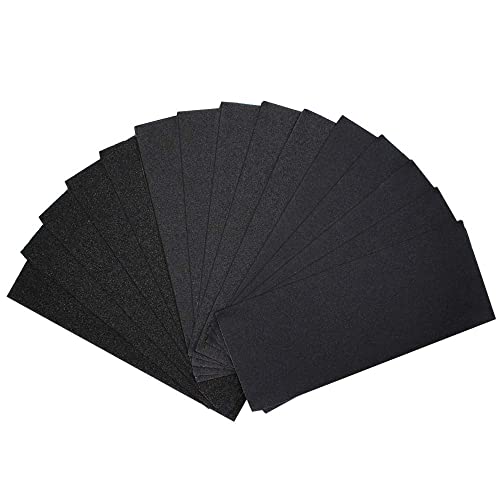
Annietfr’s set offers a selection of 15 sheets in 80, 120, and 220 grit, each with five sheets per grit. While this product centers on traditional paper sheets rather than sponges, it complements sponge use by providing higher-volume options for roughing out or finishing larger surfaces. The sheets are 9 by 3.6 inches and designed for wet or dry use, which helps users adapt to varying project needs, from furniture stripping to metal polishing. This option is particularly useful for those who want a transition kit between sponge-based sanding and traditional paper sanding.
- Varied grit selection: 80/120/220 with multiple sheets per grit.
- Size and practicality: 9 x 3.6 inches for broad surfaces.
- Wet or dry use: Suitable for different finishing stages.
- Versatile for woodworking and metal work.
Buying Guide
When selecting sanding sponges for furniture projects, several factors influence the final result. Grit progression matters most: start with a coarser grit to remove old finishes and shape the surface, then move through medium grits for smoother removal of imperfections, before finishing with fine grits to prep for staining or painting. Look for sponges with durable, flexible materials that won’t tear or crumble under pressure on edges or curves. Wet/dry capability adds versatility, allowing you to wash debris away and extend sponge life. Consider grip and ergonomics; a comfortable size reduces hand fatigue on large surfaces like tabletops or cabinet doors. Finally, assess whether you prefer a multi-grit set (one or two blocks per grit) or larger assortments with many different grit options.
- Grit progression: Match grits to project stage—coarse for stripping, fine for finishing.
- Material durability: High-density foam and robust abrasive (aluminum oxide or brown corundum).
- Wet vs dry use: Wet sanding can reduce dust and extend life.
- Shape and reach: A compact block helps reach corners, edges, and joints on furniture.
- Reuse and cleaning: Washable sponges save money and reduce waste, but check for glue integrity over time.
How To Choose The Right Grit Progression For Furniture
For most wood furniture, a practical approach starts with 60 or 80 grit to remove existing finishes and level rough areas. Move to 120 grit to erase scratches and smooth the surface. Finish with 180 or 220 grit to prepare for stain or paint, ensuring the wood fibers are closed and ready for sealing. If you’re working on veneers or soft woods, you might start with 80 grit and finish with 220. Wet sanding is beneficial when dealing with finishes that clog quickly or to minimize dust, especially on large surfaces. In tight spaces or curved profiles, flexible sponges excel because they conform to contours without digging into the wood. Always wipe the surface between grits and inspect for remaining scratches or blotches before applying the next coating.
What To Compare Across Brands
Compare grit options, sponge material, and the presence of color-coding or foam density. Some sets emphasize a broad range with many sponges per grit, ideal for large projects or professional use. Others prioritize premium foam and durable adhesives for longer life in rough tasks. Consider whether the kit is designed for wet sanding, dry sanding, or both. Additionally, examine the size of the sponge; larger blocks cover more area, while smaller blocks provide precision in edges and corners. Finally, check for ease of cleaning and whether the product is specifically rated for wood, metal, drywall, or a combination of surfaces.
Practical Tips For Sanding Furniture
Always sand along the grain to avoid scratches that are difficult to hide. Work in a well-ventilated area and use a dust mask when sanding bare wood or during large projects. Clean surfaces between grit changes to prevent cross-contamination of abrasives. For stubborn finishes, a brief soak or a mist of water can help lift dust and reduce heat buildup. After sanding, wipe the surface with a tack cloth to remove dust before applying stain, sealer, or paint. If using a power sander on large flat areas, switch to hand sanding with sponges for attributes like control and access to edges and contours.