Best Van Insulation for Camper Vans: Thermal and Soundproofing Options
Van life exposes interiors to the elements and road noise alike. The right insulation strategy improves comfort, energy efficiency, and livability in any climate. This guide selects five top insulation options for American van builds, spanning premium vehicle-grade Thinsulate to durable sound-deadening mats. Each product caters to different priorities—from maximum warmth to quiet cabins—so you can tailor your setup to your travels, cargo, and schedule. Use the summary table below to compare core specs at a glance before diving into detailed product profiles.
| Product | Brand | Key Benefit | Key Specs |
|---|---|---|---|
| Thinsulate Automotive Camper Van Insulation | Kei Project | Vehicle-grade thermal protection | 60″ width, 1.65″ thick; R-Value 5.45 per inch; 0.95 lbs/ft³; FMVSS 302; Rolls in 10/20/30 ft |
| Vanspeed Thinsulate Van Insulation | Vanspeed | Premium heat retention and sound absorption | Thinsulate; lightweight; multiple sizes up to 40 ft; hydrophobic damp-resistance |
| Acoustic/Thermal Van Insulation | Generic | Combined acoustic and thermal barrier | 30′ x 60″; lofts up to ~1 3/4″ over time |
| Heat Sound Deadening Insulation Mat | Tsurpcao | Heat and sound dampening for interior comfort | 40″ x 60″; 394 mil; -40°F to 300°F; closed-cell foam with aluminum surface; 16.36 sq ft |
| SmartSHIELD -5mm Insulation Mat | INSULATION MARKETPLACE | Radiant barrier with sound dampening | 48″ x 10 ft; R-value up to 15.67 (one layer), 21.10 (two layers); vapor barrier |
Thinsulate Automotive Camper Van Insulation

Thinsulate SM600L is a vehicle-grade insulation engineered for vans, delivering notable warmth without excessive bulk. With a 60-inch roll width and a thickness of 1.65 inches (44 mm), it provides substantial coverage for walls and ceilings common in van conversions. The material weighs about 0.95 pounds per cubic foot, making it relatively light for its thermal performance. A standout feature is the rated R-value of 5.45 per inch, offering solid insulation efficiency for compact spaces. It is FMVSS 302 certified, signaling compliance with automotive safety standards. Availability in 10, 20, or 30-foot rolls supports various build layouts.
Installation considerations are straightforward: cut to fit interior panels with a utility knife, press into place, and secure with compatible adhesives or fasteners. The material remains flexible enough to contour to curved surfaces typical of van walls and ceilings. Its vehicle-focused formulation helps resist moisture-related issues when properly sealed, although it is wise to pair any insulation with a moisture barrier in areas prone to condensation. For van enthusiasts prioritizing warmth, this option balances performance with practicality and a relatively simple install.
- Roll width: 60″; thickness: 1.65″ (44 mm)
- R-Value: 5.45 per inch (RSI 0.96)
- 0.95 lbs/ft³; FMVSS 302 certified
- Engineered for Vehicles; rolls available in 10, 20, 30 ft
Vanspeed Thinsulate Van Insulation

Vanspeed’s Thinsulate insulation focuses on lightweight, high-efficiency performance for camper van conversions. It’s designed to maximize thermal retention while remaining easy to handle during installation. The product line emphasizes warmth retention in cold conditions and efficient moisture management to prevent condensation buildup inside the van—an important factor for comfort and interior durability. Although the listed features do not always include a specific R-value, Vanspeed markets its insulation as a premium thermal barrier that also dampens sound, contributing to a quieter cabin on long highway drives.
In practice, Vanspeed insulation supports both climate control and acoustic comfort. Its hydrophobic characteristics help resist moisture infiltration, which is valuable in variable climates and damp conditions. For builders prioritizing a lean yet effective solution, Vanspeed offers a balance of warmth, noise reduction, and installability across multiple van configurations. The product’s modular nature means you can choose sizes that fit your wall panels and overhead sections with relative ease.
- Premium heat retention; lightweight
- Excellent sound absorption
- Damp-resistant; hydrophobic material
Acoustic/Thermal Van Insulation

This Generic Acoustic/Thermal Van Insulation targets a straightforward, all-in-one approach for van conversions. It combines acoustic dampening with thermal barriers, helping to reduce both exterior noise and heat transfer. The material is described as capable of lofting up to about 1 3/4 inches over time, which may occur as panels settle or as layers compress during use. It suits builders who want a single solution for both noise reduction and thermal comfort without layering multiple products.
The installation considerations emphasize compatibility with standard van interiors, with the understanding that achieving optimal performance may require precise cutting and careful fitment around irregular shapes, wheel wells, and window openings. This option is particularly appealing to budget-conscious builders seeking a dual-purpose insulation solution without sacrificing basic thermal and acoustic benefits.
- Acoustic and thermal insulation
- Material lofts up to 1 3/4″ over time
Heat Sound Deadening Insulation Mat

The Heat Sound Deadening Insulation Mat by Tsurpcao is designed to address both heat and noise in a single layer. The mat measures 40 inches by 60 inches with a thickness of 394 mil (10 mm), covering about 16.36 square feet per sheet. Its construction features high-density closed-cell foam with a waterproof aluminum surface, making it suitable for areas exposed to sun and moisture. The insulation works to reflect radiant heat and dampen engine, road, and exterior noise, contributing to a quieter interior and reduced HVAC load in hot climates.
With a wide working temperature range (-40°F to 300°F), it can withstand harsh conditions under the hood or in roof panels. For installation, it’s typically applied to flat or moderately curved surfaces using adhesive or mechanical fasteners, then trimmed to fit. The dual benefit of heat reflection and sound dampening makes this mat a practical choice for those focusing on comfort and efficiency in both hot and cold environments.
- Size: 40″ x 60″; thickness 394 mil
- Coverage: ~16.36 sq ft
- Temperature range: -40°F to 300°F
- Closed-cell foam with aluminum surface; waterproof
- Reduces engine noise and interior heat transfer
SmartSHIELD -5mm Insulation Mat
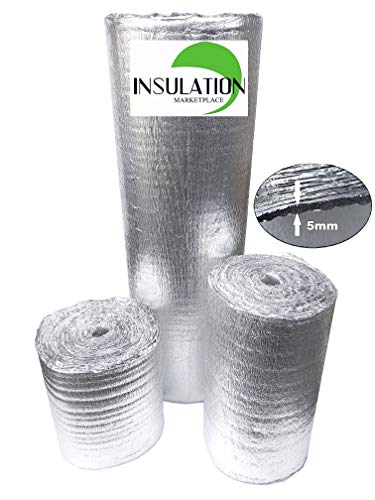
SmartSHIELD is designed as a versatile radiant barrier with additional sound-deadening properties. At 5 mm thickness, it offers a high R-value per layer, with rated values of up to 15.67 for a single layer and up to 21.10 with two layers. The product also functions as a vapor barrier, providing moisture protection that is valuable in variable climates and enclosed van spaces. This combination makes it suitable for hot southern conditions and damp, humid environments where condensation can be an issue.
The installation approach favors straightforward cutting and fitting around irregular shapes common in vans. The radiant barrier property helps reflect solar heat, reducing interior temperatures, while the sound-dampening aspect contributes to a quieter ride. For builders prioritizing a compact, multi-functional barrier, SmartSHIELD delivers notable thermal and acoustic benefits in a single, cohesive layer.
- Radiant barrier; reflects up to 95% of radiant energy
- R-value up to 15.67 (one layer), 21.10 (two layers)
- Vapor barrier; moisture resistant
- Sound barrier; effective dampening
Buying Guide
Choosing van insulation involves balancing climate, budget, and installation practicality. Here are key considerations to help you compare options and plan a layered approach if needed:
- Thermal performance vs. weight: Higher R-values improve heat retention or cooling efficiency but add weight. In vans, lighter options like Thinsulate variants can deliver significant warmth without heavy bulk.
- Moisture resistance: In damp climates or near vehicle floors, moisture control is crucial. Hydrophobic or closed-cell materials resist water infiltration and reduce mold risk.
- Moisture management and condensation: Combine insulation with a moisture barrier and proper ventilation. Condensation can degrade insulation over time if not addressed.
- Sound deadening vs. thermal barrier: If you live on busy highways, prioritizing sound dampening (deadening mats) can improve livability, while thermal barriers protect comfort in extreme temperatures.
- Ease of installation: Consider your DIY skills. Some products are easier to cut, fit, and secure, while others may require professional installation for best performance.
- Surface compatibility: Vans have curved panels, wheel wells, and window cutouts. Materials that flex or that can be easily shaped help achieve a snug fit and avoid gaps that compromise comfort.
- Durability and safety: Look for materials with automotive-grade certifications or recognized fire-safety ratings. FMVSS 302 compliance is a useful indicator for interior materials in vehicles.
- Maintenance and upkeep: Insulation should be resistant to moisture and easy to clean or dry. Some products offer better long-term stability in harsh environments.
- Cost vs. performance: Premium insulation (like Thinsulate variants) tends to be pricier but provides strong thermal performance with relatively light weight. Budget-friendly dual-purpose products can still offer meaningful comfort gains.
- Layering strategy: For most van builds, a layered approach works well—combine a radiant barrier with acoustic dampening and a compact thermal barrier to maximize comfort without excessive bulk.
When planning, map out your van’s layouts—bulkhead walls, ceiling, cargo areas, and the floor—and determine where you’ll place each type of insulation. Start with a base layer that addresses moisture and major heat transfer, then add acoustic or radiant barriers in areas prone to noise or solar gain. Finally, test fit panels and re-check seals around doors and windows to maintain a consistent climate inside your van.