Best Stain or Paint for an Old Deck: Durable Deck Finishes
Restoring an aging deck requires choosing a finish that protects against sun, rain, and foot traffic while preserving the wood’s character. This guide highlights five top stain or paint options that work well on older decks, balancing durability with color and ease of application. From semi-transparent stains that let grain show to solid-color stains and durable enamel paints for high-traffic areas, these products cover common needs. Each pick is evaluated for UV resistance, water repellency, and maintenance requirements, helping you decide what to apply this season.
Summary of chosen products
| Product | Finish Type | Color | Why It’s a Good Fit |
|---|---|---|---|
| SaverSystems Light Walnut Deck Stain | Semi-transparent stain & sealer | Light Walnut | Shows wood grain, dual protection, water-based |
| California AllFlor Porch Enamel | Water-based enamel paint | Black | Extremely durable enamel finish for high-traffic areas |
| Defy Solid Color Wood Stain Dark Cocoa | Solid-color wood stain | Dark Cocoa | Opaque color with UV protection and long-lasting coverage |
| SaverSystems Cedar Fence Stain (Semi-Transparent) | Semi-transparent fence stain and sealer | Cedar | Color-rich, protects against fading, grain shows through |
| SaverSystems Cedar Fence Stain (Semi-Transparent) | Semi-transparent fence stain and sealer | Cedar | Similar performance with a Cedar shade, versatile for older wood |
SaverSystems Light Walnut Deck Stain
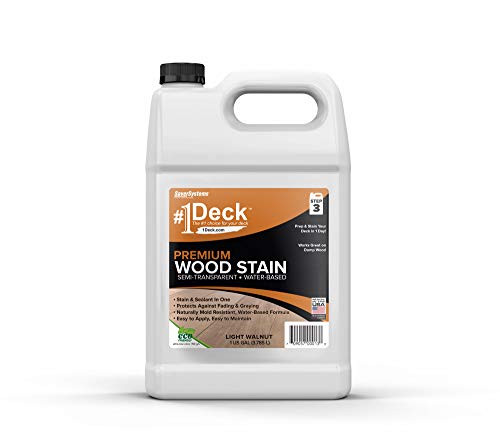
SaverSystems Light Walnut Deck Stain is a semi-transparent exterior stain and sealer designed to protect wood decks, fences, and siding while preserving the natural grain. The product is water-based, reducing odor and cleanup concerns, and it’s formulated to resist fading under UV exposure. This finish balances color depth with grain visibility, making it a practical choice for older decks where you want both protection and a natural look. When applied to aged wood, it can help even out appearance without masking texture entirely.
The finish delivers dual action as both a stain and a sealant, reducing the need for multiple coats. It penetrates into wood pores to form a protective barrier against moisture, while its semi-transparent color adds warm tones that complement aged grayish planks. Professionals often recommend starting with a thorough cleaning and light sanding to maximize pigmented adherence, followed by even, back-and-forth brushing to avoid lap marks. Drying times are typically moderate, with recoat windows that suit weekend projects.
California AllFlor Porch Enamel – Black

AllFlor Porch, Patio and Floor Enamel Paint provides an extremely durable water-based finish designed for high-traffic exterior surfaces. The black enamel is formulated to resist alkali, water, and blistering, helping paint families and contractors protect decks, patios, basements, and pool areas where wear is common. Enamel paints form a solid, protective film that stands up to repeated foot traffic, splashes, and outdoor exposure, making it a viable option for older decks that require a fresh, hard-wearing surface.
Enamel finishes tend to highlight a more solid, uniform color and can hide some surface imperfections better than translucent stains. However, prep work becomes critical: ensure the surface is clean, dry, and free of loose fibers or peeling coatings before painting. Adequate surface priming and proper drying times between coats contribute to a smoother result. For older decks, combining enamel with a thorough cleaning and light sanding can yield a robust, long-lasting surface that stands up to weather and activities.
Defy Solid Color Wood Stain – Dark Cocoa

Defy Solid Color Wood Stain delivers an opaque finish designed to conceal imperfections and provide a uniform appearance across aging deck boards. The solid color format helps disguise fading, staining, and minor surface flaws, while zinc-based UV inhibitors shield the color from sun damage, maintaining the shade for years. This makes Dark Cocoa an attractive choice for decks in harsh sun zones or areas with visible aging, offering a modern, consistent look even on weathered wood.
Application of a solid color stain typically requires a clean, dry surface, with light sanding to remove rough spots and loose residues. The product’s opaque nature means fewer coats and faster coverage than transparent stains, though it may require more prep to avoid lap marks on wide boards. Maintenance involves monitoring for peeling or cracking and recoating as needed to sustain color depth and protective film integrity against moisture and temperature shifts.
SaverSystems Cedar Fence Stain – Semi-Transparent
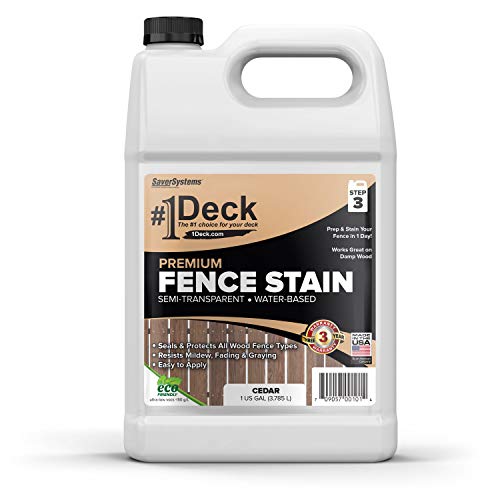
The Cedar semi-transparent fence stain from SaverSystems is designed to protect outdoor wood while letting the grain show through. It functions as a dual-purpose stain and sealer, delivering color to wood surfaces while creating a protective film that resists moisture penetration. This product line emphasizes color depth and longevity, with the Cedar shade offering a natural, rustic appearance that blends well with aged wood and surrounding landscapes. It’s particularly suited to fences and other vertical wood elements with frequent exposure to sun and rain.
In practice, this type of stain provides UV protection and reduces color fading, helping to maintain a refreshed look without completely masking texture. For older decks, it’s important to clean thoroughly and ensure even absorption across boards. April-to-October conditions or regions with strong sun may require additional coats on weathered surfaces to sustain even color and water repellency over time. Maintenance coats are easier when the previous layer adhered well to the wood.
SaverSystems Cedar Fence Stain – Cedar (1 Gal)
This Cedar variant continues the same family of semi-transparent finishes, offering a Cedar-colored option for those preferring a warmer, more traditional look. Like the other semi-transparent options, it provides color while highlighting wood grain and offering a protective seal against moisture. The Cedar shade blends well with traditional wooden fences and decks aged to a natural gray or brown patina, providing a cohesive aesthetic for mixed wood environments.
As with any semi-transparent stain, prework matters: clean, remove mildew, and ensure boards are dry before application. Uneven absorption on older wood can create blotchy areas, so completing a full, even coat with a uniform brush or roller technique is important. Recoating should occur when color begins to fade, typically after several seasons in moderate climates, to preserve protective properties and the intended appearance over time.
Buying Guide
Key purchase considerations
- Finish type and goal: translucent stains highlight grain while sealing wood; solid-color stains hide imperfections; enamel paints give a durable, uniform surface for high-traffic decks.
- Wood condition: older decks with weathered surfaces benefit from coatings that fill minor cracks or provide a robust protective film; heavily degraded boards may need sanding or even replacement before coating.
- Color and appearance: choose a shade that complements your home exterior and landscape. Light woods respond well to lighter Walnut tones; dark cocoa or black finishes create contrast but can show dust and water spots more readily.
- UV and moisture protection: UV inhibitors help prevent fading; water-repellant properties protect against swelling and warping.
- VOC content and environmental impact: water-based options typically have lower VOCs and easier cleanup, which matters for indoor-outdoor use.
- Application and equipment: choose products that align with your preferred tools (brushes, rollers, or spray) and the size of your deck. Some formulas are easier to apply with a brush in between boards; others are optimized for brushing across wider surfaces.
- Maintenance and recoat intervals: semi-transparent stains generally require recoats every few years; enamel paints may last longer but can require more maintenance in harsh climates.
Finish type comparisons
Semi-transparent stains are ideal when you want to preserve wood texture while adding color and protection. They typically require cleaning and prep but offer easier touch-ups and re-coats. Solid-color stains provide uniform coverage and can hide imperfections, yet they may demand more thorough surface prep and priming. Enamel paints deliver the most durable, hard-wearing surface for high-traffic zones, but they conceal grain and may require more meticulous surface prep and longer curing times. Consider your deck’s exposure, desired aesthetics, and maintenance willingness when choosing between these finish families.
Color strategy for aging wood
If your deck already has weathered gray or brown tones, a stain in Light Walnut or Cedar can rejuvenate without dramatic changes. Dark Cocoa creates contrast and modern appeal, especially on new or restored boards. Enamel black offers a bold, classic look for entryways or poolside areas but can appear stark on weathered wood. For older fences and vertical surfaces, Cedar tones blend well with natural surroundings while providing robust protection. In all cases, test a small, inconspicuous area first to anticipate how the finish will look on aged wood before committing to the entire deck.
Preparation and application tips
Begin with a thorough cleaning to remove dirt, mildew, and old coatings. Rinse and allow wood to dry completely. Light sanding helps to smooth rough areas and promote adhesion, especially on weathered boards. Apply finishes with even strokes, following the wood grain and maintaining consistent coverage. For semi-transparent stains, work quickly to avoid lap lines, and back-brush for uniform absorption. For enamel paints, use a high-quality brush or roller, apply primer if needed, and allow ample drying time between coats. In all cases, follow the manufacturer’s recommended recoat intervals and curing times for best results.
Durability and maintenance outlook
Durability depends on climate, foot traffic, and sun exposure. Semi-transparent stains generally require recoats every 2–4 years in temperate climates, with more frequent maintenance in sunny, wet areas. Solid-color stains offer longer intervals but can require more prep before reapplication to maintain even color. Enamel paints tend to outperform stains in high-traffic zones but may need touch-ups to manage wear on edges and joints. Keep soil and debris off the deck surface, and clean regularly to extend the life of any finish. Choosing a product with UV protection and water repellency will maximize long-term performance on an old deck.