Best Box Joint Jig for Table Saws and Router Tables
Box joints, also known as finger joints, deliver strong, attractive joinery for drawers, boxes, frames, and small cabinetry. This guide highlights top box joint jigs and cutters you can use with table saws and router tables to achieve precise, repeatable joints. Each option offers different features—adjustable stops, indexing keys, and durable materials—so you can pick the setup that best matches your woodworking needs and tool lineup.
| Product | Brand | Key Benefit |
|---|---|---|
| POWERTEC Adjustable Box Joints Jig | POWERTEC | Versatile for table saws and router tables with adjustable stops |
| INCRA I-BOX Jig for Box Joints | INCRA | Advanced setup, greater versatility, safety features |
| Router Table Box Joint Jig – Finger Joint Keys | ROCKLER | Interchangeable indexing keys in multiple widths |
| Freud 8″ Box Joint Cutter Set | Freud | TiCo carbide blades for precise, durable cuts |
| XL Box Joint Router Jig | ROCKLER | Precision indexing with durable build and smooth glide |
POWERTEC Box Joints Jig For Saws And Routers

The POWERTEC jig includes a comprehensive kit: body assembly, MDF sub fence, guide bar, adjustable and fixed stop plates, safety blade guard, clamp guard, adjustment knobs, an expansion disc, hardware, and an instruction manual. It enables symmetrical box joints and traditional finger joints, offering a wide fence to securely clamp workpieces. The small distance adjustment knob customizes spacing, and flexible pin plates ensure consistent cuts without sacrificing accuracy.
INCRA I-BOX Jig For Box Joints
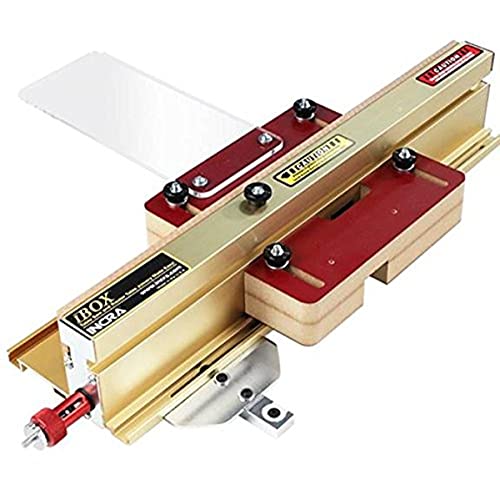
INCRA’s I-BOX represents a high-end approach with rapid setup, enhanced versatility, and improved safety compared to traditional jigs. The system is designed for repeatable precision and straightforward operation, and it includes a one-hour instructional DVD covering basic setup through advanced decorative joinery, making it suitable for hobbyists and professionals seeking streamlined workflows.
ROCKLER Router Table Box Joint Jig

This jig focuses on a precise, repeatable finger joint process with interchangeable indexing keys (¼”, ⅜”, ½”). It includes a smooth-sliding sled with long skis for squareness and stable performance. Easy-to-grip knobs secure the sled in the miter slot, ensuring consistent cuts and clean joints across a range of project sizes.
Freud 8″ Box Joint Cutter Set

Freud’s 8″ Box Joint Cutter Set includes two blades and instructions, enabling square, flat-bottom joints without a dado set. TiCo Hi-Density carbide provides extended edge life and precise cuts, making it a strong option for consistent box joints in a variety of woods and project scales.
XL Box Joint Router Jig

XL Box Joint Router Jig offers precision finger joint creation with brass indexing keys for repeatable results. Built on a steel sled with a melamine-coated MDF base, it includes 1/2″ and 3/4″ brass keys and a smooth, durable guide system designed for high-use routing and strong, clean joints in drawers, boxes, and cabinetry.
Buying Guide: Box Joint Jigs And Routers
- Compatibility: Check whether the jig is designed for your table saw, router table, or both. Some units are dual-purpose, while others specialize in one setup.
- Indexing and repeatability: Look for adjustable or interchangeable indexing keys that match your desired finger widths (common options include 1/4″, 3/8″, and 1/2″).
- Fence and support: A wide, sturdy fence helps clamp workpieces securely and reduces tear-out. Durable fences and sleds contribute to consistent joints across multiple pieces.
- Dolor and finish: Materials such as MDF with melamine coatings or stainless/steel components influence wear resistance and smoothness of operation.
- Safety features: Blade guards, clear instructions, and ergonomic knobs reduce risk during setup and operation.
- Ease of setup: Systems with clear guides, DVDs, or printed instructions facilitate quick, accurate setup, especially for beginners.
- Maintenance and spare parts: Availability of replacement blades, indexing keys, and hardware can extend the tool’s lifespan and adaptability for future projects.
- Cost vs. benefit: More expensive setups often deliver faster setup, higher precision, and broader capability, but assess whether features align with your typical project scale.
- Project type considerations: For cabinetry and drawers, prioritize repeatable, tight joints; for decorative boxes, emphasis on smooth, visible joints may guide your choice.
When selecting a box joint jig, balance tool compatibility with the complexity of your projects and your tolerance for setup time. For beginners, a kit with clear instructions and multiple finger widths can reduce the learning curve. For experienced woodworkers, advanced jigs with fast setup and precise indexing offer efficiency gains and repeatable results across a broad range of box sizes and materials.