A guest can have your address and still feel unsure about the last few steps of arriving. The visible door may not be the one you use, the bell may be somewhere unexpected, and a simple question about where to go can become awkward when nobody knows whether you are expecting a call.
A short entry note can answer those ordinary questions before the visit. Keep it factual, send it to the people who need it, and leave room for a guest to tell you what would make arrival easier instead of assuming that the same instructions suit everyone.
Describe the last part of the journey
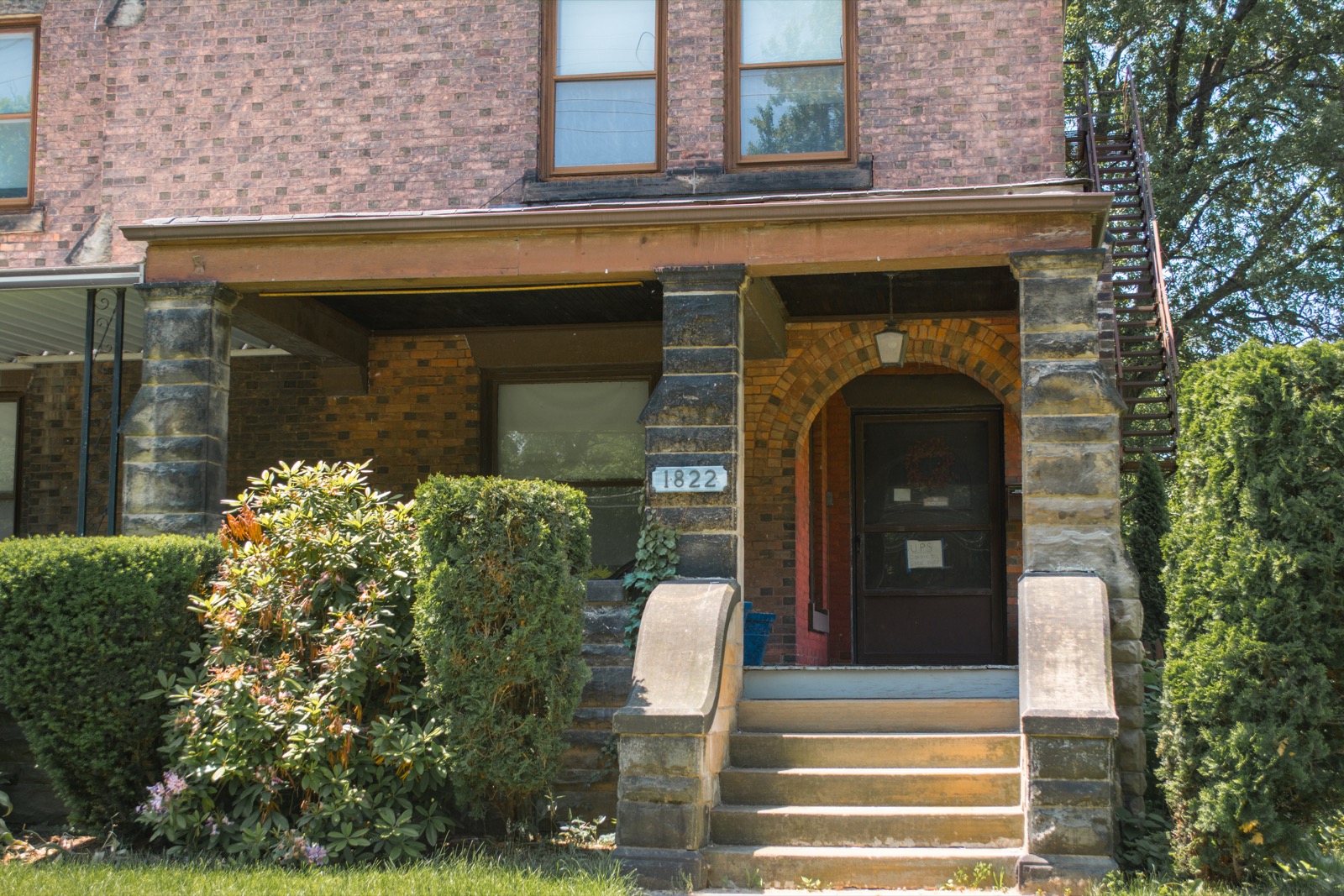
Begin where your guest is likely to need information that the street address does not provide. You might identify the correct entrance, describe a visible house marker, or explain which doorbell serves your unit, using details that are true at the time of the visit.
Write from the visitor’s perspective instead of the view you have from inside. Left beside the garage can mean different things depending on where someone is standing, so include the viewpoint or use a clear landmark rather than relying on a direction that only feels obvious to you.
Separate your own observations from rules you do not control. You can describe your driveway or the entrance you use, but avoid promising that public parking is unrestricted, a neighbor’s space is available, or a building door will remain open unless you have actually established that information.
Read the note as if you had never visited before, checking whether its details lead to one recognizable entrance. A long list of everything near the house can be less useful than two clear facts that distinguish the right door from another plausible choice.
Give useful facts instead of broad assurances
Describe physical features you actually know rather than saying that entry is easy for everyone. If the usual approach includes steps, a gate, or an uneven surface, those facts may help a guest decide what questions to ask before they set out.
Avoid guessing what a person’s mobility, vision, hearing, or other needs might be. You can offer accurate information and ask whether there is anything they would like you to know, while leaving the decision about what works to the person who understands their own requirements.
New York State’s disability etiquette guidance emphasizes speaking directly to the person, following their instructions when help is accepted, and not moving a mobility device. Those principles matter more than turning your entry note into a set of assumptions about a guest’s abilities.
If your home does not have a route that works for someone, acknowledge the actual limitation and discuss another arrangement together. A different meeting location can be a more welcoming choice than describing an unsuitable approach as manageable and leaving the person to discover the difficulty on arrival.
Agree on how to make contact
Tell your guest what to do when they reach the entrance, such as using the bell or sending a message through the contact method you already share. Avoid adding a public phone number or a new communication channel simply because the note seems to need one.
Check that your proposed method works for the actual visit. If you plan to be in the kitchen and may not hear the bell, arrange an alternative in advance instead of asking someone to keep trying while you continue a preparation task in another part of the home.
If more than one household member will welcome guests, make sure they know the plan. The person answering the door should not need to ask the visitor why they chose that entrance or whether someone else promised to meet them there.
Keep the instruction brief enough to find quickly on a phone. Put the correct entrance and arrival contact together, then place optional details after them so the essential action is not buried beneath a long explanation of the whole evening.
Explain the first ordinary choice inside
A guest may appreciate knowing where to put a coat or bag without being given a tour before they can settle. Choose a simple landing place and make it clear that they can keep personal items with them if that is more comfortable or necessary.
If you have a household preference about shoes, mention it before the visit when it affects what someone might bring. Treat the preference as a conversation rather than requiring a guest to explain a private reason they may need footwear or another arrangement.
Let a guest know about pets in a practical way if it may affect arrival, such as whether an animal is usually near the door. Ask about relevant concerns rather than promising that a familiar pet will behave a certain way with every visitor.
Avoid writing a long list of house rules into a friendly entry note. Keep the details that change preparation or arrival, and explain other ordinary things in person when they become relevant, giving your guest room to ask questions without feeling they missed a briefing.
Keep directions separate from public information
Send the note through the private channel you are already using for the invitation. Details about entrances, arrival times, access codes, or when someone will be home do not automatically belong on a public social post just because several guests need to see them.
If an access code is involved, follow the actual property or building requirements for sharing it. Do not assume that a code used by your household can be forwarded to a group, and choose another agreed arrival method when the visitor should not receive that information.
When someone asks whether they can bring another person, update the visit plan rather than simply forwarding more household details. You may need to discuss timing, seating, food, or arrival needs, and the new person should receive the information intended for their own visit.
Delete or correct an old note when its directions no longer fit. A saved message that confidently points to an unused entrance can be more confusing than a quick fresh explanation, particularly when a guest returns after you have changed how the household uses the space.
Write the note in a human voice
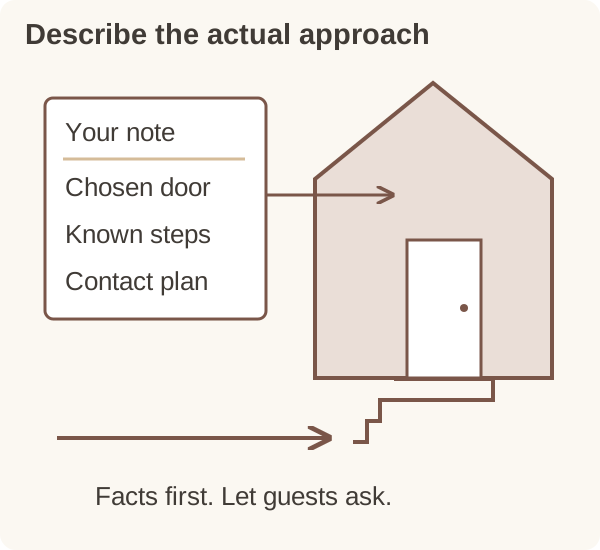
Try a short structure: which entrance to use, one factual detail about the approach, and how to let you know they have arrived. Follow that with an invitation to ask about anything that would help them plan, without requesting personal information they do not need to share.
For example, you could explain that the visit uses the front door, that there are steps on the approach, and that you will respond through your existing message conversation on arrival. Replace every part with the actual facts of your home rather than copying the example as a ready-made description.
After the visit, keep only the details that remain useful and ask whether anything was unclear if the guest wants to discuss it. You are refining a small communication tool, not evaluating how well the person followed your instructions or creating a test of their ability to arrive independently.
A welcoming entry note leaves fewer ordinary questions unanswered while preserving a guest’s choices. Accurate details, a reachable host, and room for a direct conversation do more useful work than a broad promise that everything will be simple once someone gets there.
If you host the same people regularly, ask whether they would prefer a brief update only when something changes. Useful communication can remain short once the route is familiar, while still making room for new questions.
