Best Z-Wave Motion Sensors for Smart Home Automation
Smart homes rely on reliable motion sensing to automate lights, security, and climate control. Z-Wave motion sensors offer consistent performance, long battery life, and broad hub compatibility, making them ideal for American homes. This guide highlights five top picks that balance speed, range, pet considerations, and ease of installation. Whether you need entryway alerts, room-by-room automation, or a system that scales to a larger property, these sensors deliver dependable detection with Z-Wave reliability. Use the Buying Guide below to compare compatibility, power options, and installation considerations across these models.
| Product | Brand | Key Feature | Compatibility |
|---|---|---|---|
| Zooz 800LR | ZOOZ | Fast detection; network range test | Z-Wave hubs |
| Ecolink PIR | Ecolink | Pet immunity; broad hub support | ZWAVE hubs |
| Enbrighten 26931 | Enbrighten | Three motion modes; light sensor | Z-Wave hubs |
| HomeSeer MS100 G8 | HomeSeer | Long-range Z-Wave 800 LR; battery or USB | Z-Wave hubs |
| Ring Alarm Motion | Ring | Mobile alerts; adjustable pet settings | Ring Alarm ecosystem |
Zooz 800LR Z-Wave Motion Sensor

The Zooz 800LR motion sensor uses Z-Wave Long Range with S2 security, providing fast and reliable motion reporting to a compatible hub for automation routines such as turning lights on at entry or triggering alarms. It supports two power options: a long-lasting battery capable of about a year of operation under typical traffic and settings, or a micro USB cable for continuous power (cable not included). When powered via USB, the device can also act as a signal extender to improve network coverage in larger homes or multi-floor layouts. Magnetic mounting offers flexible placement for doorways, hallways, or near entrances.
Key settings include adjustable motion sensitivity and retrigger time, enabling you to tailor detection to the room’s activity level. A built-in Z-Wave range test tool helps with network troubleshooting, making it easier to optimize device placement and hub coverage. Some hubs report vibration data from the sensor on select platforms, adding another layer to security and automation workflows. Note that this device’s compatibility is best with Z-Wave hubs such as Z-Box, Hubitat, and Home Assistant; some providers like Wink, ADT, Vivint, or Alarm.com are not supported.
Ecolink Z-Wave PIR Motion Detector
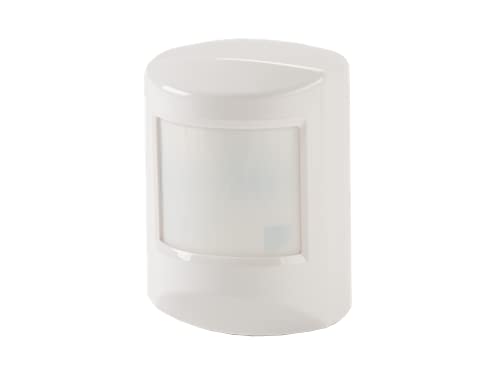
The Ecolink PIR Motion Detector is designed for broad compatibility with several popular Z-Wave hubs, including Homeseer, Hubitat, and ezlo Secure, among others. It serves as a reliable motion detector for security and automation, triggering alerts to the smart home hub when motion is detected. A notable feature is pet immunity around 55 pounds, which helps reduce false alarms caused by small to medium pets moving through the detection zone. While compatibility claims are strong, Ecolink notes that guarantees of full compatibility across all hubs are not absolute, so testing with a given system is recommended.
installation is straightforward, with placement options suited for doorways, living rooms, and hallways. The device is built to detect motion for security purposes and to drive automations, such as turning on lights or triggering scenes when occupancy is detected. As with most Z-Wave sensors, pairing with a compatible hub is essential for reliable operation and for leveraging automations across the home network.
Enbrighten Z-Wave Smart Motion Sensor
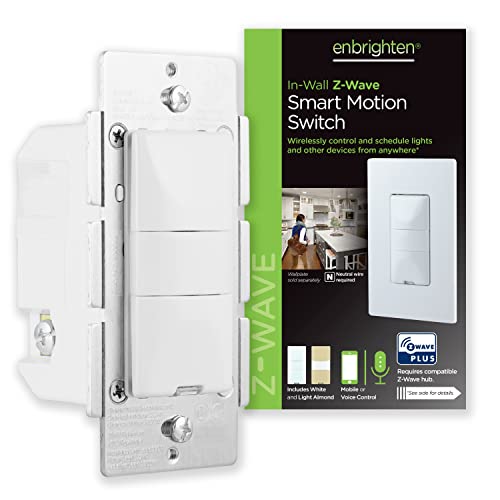
The Enbrighten Z-Wave Smart Motion Sensor offers flexible motion-detection modes and lighting automation. It provides three motion options—occupancy, vacancy, and manual—so you can tailor behavior to your room’s activity. In occupancy mode, lights can activate automatically when motion is detected, with manual operation for turning lights on and off in vacancy mode. A light-sensing option in occupancy mode helps avoid lights coming on in bright rooms, conserving energy. The device also supports five different time-out durations (from 5 seconds to 30 minutes) and three motion-sensitivity levels to fit varying activity levels across different spaces.
This sensor is ideal for indoor lighting control, hallways, and common living spaces where automatic lighting improves convenience and energy efficiency. The accompanying features enable you to dial in when lights should respond, reducing false activations and ensuring lights are available when needed. Proper placement and hub compatibility remain critical for achieving consistent automation results across rooms.
HomeSeer MS100 G8 Motion Sensor
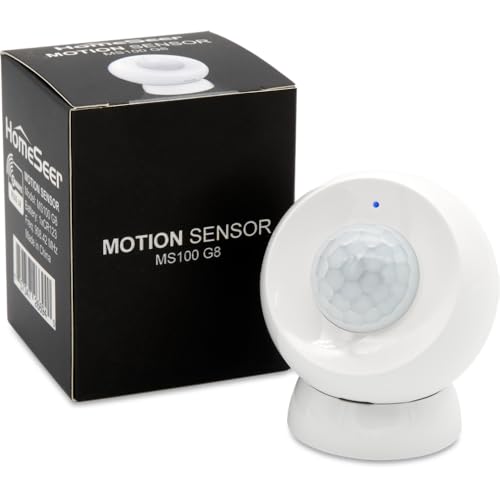
The HomeSeer MS100 G8 Motion Sensor integrates with advanced Z-Wave 800 series radios and supports long-range communication, making it well-suited for larger homes or properties with difficult-to-reach hubs. It provides motion detection alongside no-motion reporting, enabling automations to respond when a room becomes unoccupied—such as turning off lights or adjusting climate settings after a period of inactivity. Users can power this sensor with a long-lasting battery or opt for a micro USB connection for continuous power, depending on installation requirements and desired upkeep.
In addition to motion sensing, the MS100 G8 is designed for reliable alerts to your hub, keeping occupants informed of activity in real time. Its robust range and compatibility with HomeSeer, Home Assistant, and other Z-Wave hubs make it a flexible option for users seeking a scalable solution. Installation and pairing with the chosen hub are straightforward, allowing for quick setup in living rooms, hallways, or exterior-adjacent spaces.
Ring Alarm Motion Detector

The Ring Alarm Motion Detector emphasizes mobile notifications and ease of installation within the Ring ecosystem. It supports adjustable motion-detection levels to reduce false alarms caused by pets or environmental factors and offers a 90-degree coverage area with a 25-foot range. This sensor integrates with Ring’s Base Station and the Ring mobile app for centralized monitoring and control. Its compact design provides flexible placement options in homes seeking a simple, scalable security setup that can be expanded with Ring cameras and other Ring devices.
While not a pure Z-Wave option, the Ring Alarm Motion Detector remains a popular choice for Ring-centric smart homes and for users who prioritize straightforward installation, reliable alerts, and a unified dashboard. When evaluating, consider whether your primary hub is Ring or a broader Z-Wave ecosystem and how you intend to balance cross-platform automation, alarm handling, and subscription requirements for enhanced features.
Buying Guide
Key considerations
- Hub compatibility: Z-Wave LR sensors excel with compatible hubs like Hubitat, Home Assistant, and other Z-Wave controllers. Verify that your hub supports the exact sensor model and firmware level for best results.
- Power options: Decide between battery-powered sensors for easy placement or wired/USB-powered options for 24/7 reliability in high-traffic zones.
- Range and placement: Long-range (LR) sensors extend coverage, ideal for larger homes or multi-level layouts. Plan placements to minimize obstructions and maximize line-of-sight with the hub.
- Detection modes and sensitivity: Look for occupancy, vacancy, or manual modes and adjustable sensitivity to tailor performance to room activity and to reduce false alarms.
- Pet considerations: If you have pets, pet-immune models reduce unwanted triggers. Check weight thresholds and sensor zones to match your home layout.
- False alarms and mounting: Proper mounting height and angle reduce false positives. Consider magnetic mounts or walls/door frames for optimal coverage.
- Ecosystem integration: For a mixed ecosystem, ensure the sensor can communicate with your primary hub and any automation platforms you use (Scenes, routines, or alerts).
Scenario-based guidance
- For entryways and hallways: Choose a compact sensor with quick detection and a reliable power option. A magnetically mountable unit with a wide detection angle helps cover corridor motion.
- For larger homes: Opt for LR-enabled sensors to improve hub reach and reduce dead zones, especially on upper floors or remote garages and basements.
- For pet households: Prioritize pet-immune models and place sensors away from pet travel corridors when possible to minimize false alerts.
- For a Ring-focused setup: Ring Alarm Motion Detector provides convenient app-based monitoring and easy integration with other Ring devices, though it may not be a Z-Wave option.
Installation tips
- Test sensor placement with a quick walk-through of the area to confirm reliable detection in intended zones.
- Calibrate sensitivity and retrigger times to balance prompt automation with avoidance of false alarms.
- Avoid mounting behind large metal objects or near air vents, which can affect detection reliability.
- Keep firmware and hub software up to date to benefit from security and performance improvements.
Compare at a glance
- Best for general reliability: Enbrighten and Zooz offer flexible modes and strong hub compatibility.
- Best for pet-friendly homes: Ecolink provides pet immunity to reduce false alarms.
- Best for long-range coverage: HomeSeer MS100 G8 with Z-Wave LR is suited for larger properties.
- Best for Ring ecosystems: Ring Alarm Motion is straightforward for Ring-centric setups with mobile alerts.