Best X Ray Scanner for Walls: Safe, Accurate Wall Scanning Tools for DIY and Professionals
Choosing the right wall scanner can prevent costly mistakes when hanging shelves, running wiring, or remodeling. This guide reviews five top wall scanner devices focused on detecting studs, pipes, and live wires behind drywall. Each option combines depth sensing, visual indicators, and user-friendly interfaces to help you work faster and safer.
Summary of Selected Products
| Product | Brand | Core Benefit | Detects |
|---|---|---|---|
| Walabot DIY 2 | WALABOT | Visualized scanning; live wall insight | Wood/metal studs, pipes, wires |
| ProSensor MAX | Franklin Sensors | Highest accuracy with multiple sensors | Wood/metal studs through multiple layers |
| JAXWQ 5-in-1 | JAXWQ | Multiple detections with LCD | Wood/metal studs, live wires, pipes |
| Bosch GMS120-27 | Bosch | Color-coded, quick results | Wood/metal studs, live wires |
| FNIRSI WD-02 | FNIRSI | Hexa-detection with advanced chips | Wood, metal, live wires |
Walabot DIY 2 – Visual Wall Scanner

Walabot DIY 2 offers a visual approach to wall scanning. It identifies the center of wood and metal studs, and it can locate pipes and wires behind drywall. The device emphasizes seeing into walls rather than relying on sounds, which helps prevent accidental drilling or nail placement into hidden utilities. It connects to a phone via its built-in Wi‑Fi, enabling real-time visualization and analysis without requiring traditional home Wi‑Fi networks.
Features include center and edge detection for studs, live visualization of embedded objects, and the ability to distinguish between live and non-live wires. This makes Walabot DIY 2 particularly helpful for complex walls, multi-layer constructions, or projects where precise placement matters. The tool is designed for DIYers and pros who want a clear picture of what lies behind walls before cutting or mounting.
Buying considerations: ensure your project benefits from visual feedback, and confirm device compatibility with your mobile device. The visual approach can shorten the learning curve for first-time users and reduce mistake-prone drilling in critical areas.
Franklin Sensors ProSensor MAX

The ProSensor MAX emphasizes accuracy through its 13-sensor array, providing a heightened level of detection depth and precision. Its maximum detection depth reaches 2 1/2 inches, enabling reliable scanning through thicker walls. LEDs guide users to the center and edges of studs, delivering a clear, simultaneous visualization of stud location as you sweep.
Ease of use is a key feature: no calibration is required. You can begin scanning by pressing a button, even over a stud, which helps prevent misreads caused by typical hit-or-miss readings on older devices. The device also includes two detection modes: standard stud detection and through-wall detection for multiple layers, which is especially helpful for renovations in older homes or condo complexes with varied wall constructions.
Buying considerations: large sensor arrays generally yield higher accuracy, but they can come at a higher price. The two-mode capability makes it versatile for standard and more challenging installations, though users should assess whether the extra depth and depth indicators align with their typical projects.
JAXWQ 5-in-1 Stud Finder

This 5-in-1 tool combines multiple detection technologies into one compact device. It locates the center and edges of wood and metal studs, detects live AC wires, and can reveal pipes behind walls. The high-visibility, backlit LCD displays provide quick visual confirmation of study location, along with battery status and detected object type. It also includes audible alerts to guide users toward the accurate spot, making it a practical choice for DIY projects and professional use alike.
JAXWQ highlights: rapid detection for faster task completion, plus a design emphasis on safety and ease of use in low-light environments. The device can function as a thoughtful gift for homeowners or tradespeople who frequently install shelves, mounts, or electrical fixtures.
Buying considerations: evaluate whether you need multiple detection modes in one tool and how important a visual LCD readout is for your workflow. The device’s multi-scan capability can reduce the number of tools you need on a job site.
Bosch GMS120-27 Wall Scanner

The Bosch GMS120-27 is designed for quick, reliable detection of live wires, metals, and wooden or steel studs. It uses color-coded marking and a center indication system to provide a clear reading of what is behind the wall. The device is calibrated for straightforward use, enabling professionals and DIYers to locate studs behind drywall with confidence and minimal setup.
Highlights include a straightforward three-mode scan—drywall, universal, and concrete—making it adaptable to various wall types and construction complexities. Color-coded indicators help users quickly interpret readings, reducing the risk of drilling or mounting into hidden elements.
Buying considerations: color-coded feedback can speed up work, but consider whether you need reinforced detection in concrete or other non-standard surfaces. Bosch’s reputation for reliability also makes this scanner a common choice for regular renovators and electricians.
FNIRSI WD-02 Stud Finder

FNIRSI WD-02 presents a TFT display with an updated HPC chip and a positioning hole for accurate centering of wood studs and metal studs. The device offers three gears for studs, metals, and AC wires, with multiple sensitivities to tailor depth detection. Maximum depths vary by gear: about 1.5 inches for studs, 4.7 inches for metals, and 2 inches for AC wires, supporting a broad range of wall types and thicknesses.
What stands out is the integrated display that combines edge and center markings with a depth readout. This makes it easier to plan drilling points and anchor placements, especially on thicker walls or multi-layer assemblies. The WD-02 is positioned as a robust option for homeowners, handymen, and professionals who require adaptive, multisensor detection capabilities.
Buying considerations: consider whether the three-gear approach aligns with your typical projects. For heavy remodeling or older homes with varied wall structures, multiple detection modes can provide more reliable data to guide cuts and installations.
Bosch D-TECT120 Wall and Floor Scanner
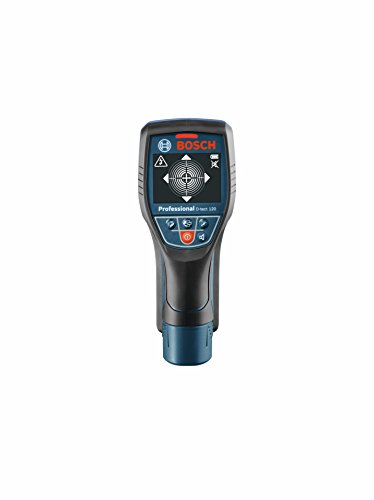
The Bosch D-TECT120 focuses on spot detection with instant results when placed on a detection surface. It is calibration-free and ready to use immediately, making it a time-saver on busy jobsites. The scanner offers three modes—drywall, universal, and concrete—to detect a range of materials including ferrous and non-ferrous metals, wood, live wiring, and plastic pipes. This makes it versatile for both walls and floors, particularly in renovation or remodel projects where multiple materials may be present.
Buying considerations: immediate usability and three-mode operation are advantages for quick projects. If you frequently work on older homes, the D-TECT120’s adaptability to different materials can be a practical investment. However, users should verify feature compatibility with their most common tasks and wall types.
Buying Guide: Key Purchase Considerations
- Detection Depth: Depth ratings differ across devices. For thicker walls or multi-layer constructions, prioritize models with deeper detection or mode-specific depth settings.
- Readout Style: Visual (LEDs, LCDs, color coding) vs. visual tomography (Walabot). Choose based on whether you prefer quick visual cues or a detailed wall image.
- Detection Modes: Multi-mode devices offer versatility for studs, metals, pipes, and wires. If you regularly encounter different materials, a 3–6 mode tool is advantageous.
- Ease of Use: Calibration-free devices save setup time. Look for intuitive controls, audible alerts, and backlit displays for working in dim spaces.
- Wall Type Compatibility: Some devices handle concrete or lath-and-plaster better than others. Confirm suitability for your typical walls (drywall, plaster, concrete, OSB).
- Portability and Connectivity: Wireless or app-enabled devices provide live visualization but require compatibility with mobile devices and potential network considerations.
- Build Quality and Brand Support: Reputable brands with ongoing support can reduce replacement costs and provide better warranties.
- Safety and Personal Use: For electrical or plumbing work, ensure the device identifies live wires clearly to prevent accidental contact or damage.
In sum, the best X-ray style wall scanner for you depends on the balance you want between depth, visualization, and ease of use. For projects requiring clear wall images and live insight, Walabot DIY 2 offers a strong visual approach. For straightforward stud detection with high accuracy, Franklin Sensors ProSensor MAX and FNIRSI WD-02 provide robust performance. Bosch and JAXWQ options deliver reliable detection with easy-to-read interfaces, appropriate for frequent mounting and renovations. Consider your typical wall types, preferred feedback method, and budget when selecting a scanner for walls and behind-wall inspections.