Best White Wood Stain for Furniture and Cabinets
Choosing the right white wood stain can brighten interior wood while preserving grain and texture. The five products below offer a range of white, whitewash, and off-white tones in both oil- and water-based formulas. Each option emphasizes ease of use, fast dry times or deeper color depth, making them suitable for furniture, cabinets, trim, and paneling. Use this guide to compare finish types, color depth, drying times, and application methods before staining your next project. The summary table below highlights key details for quick reference.
| Product | Brand | Finish / Color | Volume | Notable Benefit |
|---|---|---|---|---|
| Antique White Fast-Dry Stain | Varathane | Oil-based, Antique White | Quart | One-coat coverage; dries quickly |
| Simply White Stain | Minwax | Oil-based, Simply White | Half Pint | Deep color in one coat; quick dry |
| White Oak Water-Based Stain | Varathane | Water-based, White Oak | Quart | Low odor; easy to customize with additional coats |
| Whitewash Stain | Varathane | Water-based, Whitewash | 4 oz | 2-in-1 stain and applicator; low odor |
| Whitewash Wood Stain | General Finishes | Water-based, Whitewash | 1 Pint | Rich pigments; versatile indoor use |
Below are five product-focused sections with practical highlights, followed by a buying guide that weighs key considerations for choosing the right finish for your project.
Antique White Fast-Dry Stain

Varathane Premium Fast Dry Wood Stain in Antique White is designed for interior wood projects such as furniture, cabinets, doors, trim and paneling. It offers one-coat coverage with a fast-drying oil-based formula that dries to the touch in about one hour and covers up to 275 square feet. This makes it a practical option when you want a bright, clean white tone without layering multiple coats. Surface preparation matters: sand smoothly, wipe away dust, and apply with a clean cloth or brush in the direction of the grain. Cleanup is straightforward with mineral spirits. Expect color depth to vary slightly with wood species and age, so test on a sample board first.
In practice, this stain delivers a warm, traditional white that complements vintage and modern styles alike. The oil base tends to build color with additional coats, so you can adjust depth by the number of passes. For cabinetry or paneling, a single coat may suffice for a crisp foundation, while two coats can deepen the shade for more contrast with darker woods. Consider pairing with a compatible topcoat to protect the finish in high-traffic areas.
Simply White Stain
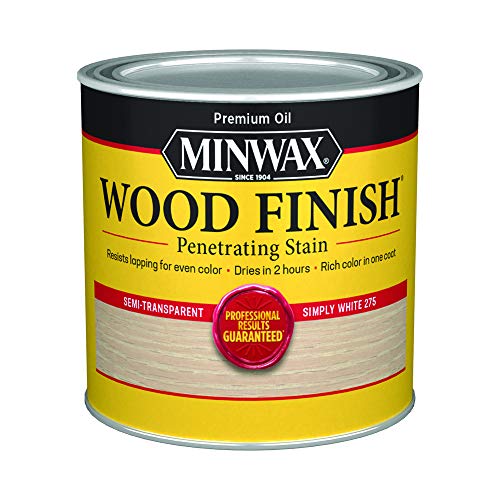
Minwax Wood Finish Simply White Stain provides a rich, even color with a deep-penetrating oil-based formula that enhances the natural grain of interior wood. It is well-suited for furniture, cabinets, doors, and other wood projects where a bright white look is desired. The stain deeply penetrates wood pores, and its color depth can be adjusted by reapplication. Drying time is efficient for an oil-based stain—typically about two hours—allowing quicker project turnover. Application is simple: apply with a clean cloth or brush along the grain, wait 5–15 minutes, then wipe away excess. More coats yield a darker, more dramatic finish. Prepare for slightly longer cure before heavy use.
Because this is an oil-based stain, be mindful of odor and ventilation during application. It performs best on bare wood or wood with a light existing finish; test on a hidden area if you’re unsure how it will interact with a prior finish. For cabinets and furniture that demand a high-contrast white with visible grain, this option offers a reliable, classic look with consistent color depth across large surfaces.
White Oak Water-Based Stain

Varathane Water Based Wood Stain in White Oak combines convenience with modern color options. It creates a rich, even color in a single coat on most surfaces, and it features low odor and low VOC. The advanced pigments are designed to enhance the natural beauty of wood, delivering a clean white oak tone. The water-based formula dries quickly, and additional coats can deepen the color for a richer finish. This option is especially appealing for spaces where odor control and easier cleanup matter most, such as bedrooms or kid-friendly rooms. It’s well-suited for cabinets, furniture, trim, and paneling where a lighter, contemporary white is desired.
Application guidance highlights the importance of surface prep: ensure the wood is sanded smooth, clean, and free of dust. Apply evenly with a brush or cloth and avoid overworking the finish. If a deeper color is needed, apply another coat after the first has dried. The lighter, more neutral tone of White Oak works well with modern hardware and light-colored furniture, offering a versatile base for different decorating schemes.
Less Mess Whitewash Stain

Varathane 385685 Less Mess Wood Stain and Applicator is a practical choice for small projects and crafts. This 2-in-1 stain and applicator collapses the mess of traditional staining into a ready-to-use package, ideal for quick touch-ups, crafts, and light remodeling. The formula is water-based with a low odor profile, making cleanup simple with soap and water. The Whitewash shade helps highlight natural wood grain while providing a lighter, rustic appearance, suitable for decorative pieces, picture frames, and accents. It’s especially convenient for DIYers who want to minimize setup and cleanup time while achieving a consistent whitewashed effect.
Because this is a smaller-volume product, it’s best for projects where color depth isn’t the main goal and where you want to maintain an airy, unfinished look. The water-based formula also means quicker cleanup compared with oil-based stains. For larger surfaces, plan on multiple bottles or consider a higher-volume product to ensure uniform coverage. Test on a scrap piece to verify the degree of whitewash and the visibility of grain before committing to the final piece.
Whitewash Wood Stain
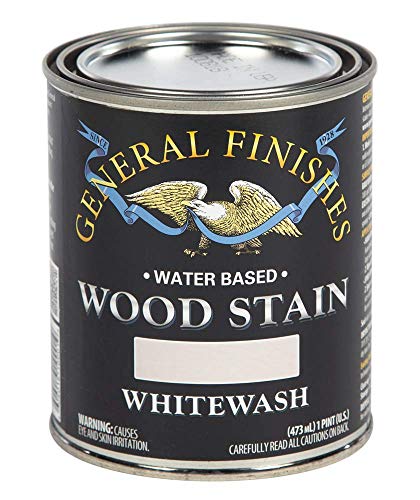
General Finishes Water Based Wood Stain in Whitewash uses high-quality pigments to deliver rich, depthful color without sacrificing grain visibility. It can be applied by hand or sprayed, providing versatility for furniture, cabinets, trim, and interior paneling. The indoor-use formulation emphasizes low odor and low VOC, with water cleanup and noncombustibility. The finish tends to be forgiving on larger surfaces and can be built up or thinned to achieve the desired opacity. As with most water-based stains, prep is critical: smooth sanding, a clean surface, and even strokes help ensure consistent results across curves, edges, and flat panels.
For projects that aim for a bright, contemporary whitewash effect, this stain offers a reliable option with good color control. It pairs well with a protective topcoat to improve durability in high-use areas, such as kitchen cabinets and living room furniture. The ability to spray can be a benefit for larger installations, while hand application works well for precision work on trim and details. Color consistency across batches remains a key consideration when working on multi-piece projects.
Buying Guide
- Finish Type: Oil-based stains tend to impart richer color depth and longer grain enhancement, but require mineral spirits for cleanup and have stronger odor. Water-based stains dry faster, have lower odor, and clean up with soap and water, but color depth may be more variable across woods without additional coats.
- Color Depth and Tone: White, antique white, whitewash, and white oak tones vary from bright white to translucent, grain-friendly finishes. For modern aesthetics, white oak and whitewash offer a fresh look; for vintage or cottage styles, antique white can evoke warmth while still lightening the wood.
- Surface and Project Type: Interior furniture, cabinets, doors, trim, and paneling respond well to these finishes. For floors or high-traffic surfaces, consider durability and topcoat compatibility, especially for oil-based finishes.
- Odor, VOCs, and Cleanup: Water-based stains typically have lower odor and VOCs and easier cleanup, making them preferable for indoor projects with ventilation concerns. Oil-based stains often require longer cure times and dedicated cleanup solvents.
- Application Strategy: Single-coat options offer quick results for lighter tones, while deeper color or richer depth may require multiple coats. Test on a scrap piece to confirm color depth and grain visibility before treating the entire surface.
- Wood Type and Prep: Softwoods (pine, spruce) absorb stain more aggressively and may show blotching; pre-stain conditioners or careful brushing can help even color on such woods. Hardwoods may require longer open times or multiple coats for uniform color.
- Topcoat Considerations: Most white stains pair with a compatible topcoat (polyurethane, water-based finish, or penetrating seal) for durability. Choose a topcoat that matches the desired sheen and cleaning needs of the space.
- Color Consistency Across Canisters: If working on a multi-piece project, mix cans to ensure uniform color. Stir and test, especially with darker or more opaque whites, to avoid tonal mismatches.