Best Wax for Wood: Top Conditioners and Polishes for Beautiful Furniture
Wood waxes and polishes protect, nourish, and enhance the natural beauty of wood. From food-safe finishes for kitchen surfaces to durable polishes for furniture and floors, the right wax can extend life while preserving the grain. The following five products represent a range of wax-based solutions, blending natural beeswax with carnauba and plant oils to deliver luster, protection, and ease of use. Read on for details and practical guidance to choose the best option for your project.
| Product | Brand | Size / Package | Key Benefit |
|---|---|---|---|
| Feed-N-Wax Wood Polish | HOWARD | 16 oz | Enhances natural grain; protective wax blend |
| Feed-N-Wax Wood Polish | HOWARD | 8 oz | Soft luster with durable Carnauba and Beeswax |
| The Original Bee’s Wax Old World Formula Furniture Polish | The Original Bee’s Wax | 2 pack | Multi-surface polish; fingerprint-free; no buildup |
| Ziruma Non-Toxic Wood Wax | Ziruma | 7 oz | Natural, food-safe barrier for kitchen surfaces |
| Minwax Paste Finishing Wax | Minwax | 16 oz | Adds hand-rubbed luster to finished wood |
Howard Feed-N-Wax 16 oz Wood Polish
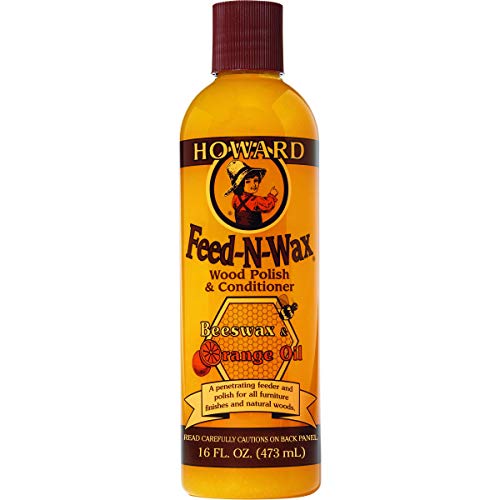
Howard Feed-N-Wax combines beeswax, carnauba wax, and orange oil to bring out natural grain while conditioning wood. The wax blend forms a protective coating that helps resist moisture and minor damage, making it suitable for antiques, dining tables, and cabinets. The orange oil enhances color depth without changing the wood’s natural tone. For use, apply a small amount with a soft cloth, allow a brief dwell, then buff to a gentle shine. It works on both finished and unfinished wood surfaces, delivering a warm glow with moderate protection.
Howard Feed-N-Wax Wood Polish 8 oz

This 8-ounce Howard wax polish also blends beeswax, carnauba wax, and orange oil to restore depth and warmth to wood grain. It polishes surfaces to a soft luster while adding a protective coat that can help resist moisture and light wear. Suitable for antiques, kitchen cabinets, dining room furniture, and trim, it emphasizes natural beauty rather than creating a heavy film. Application is simple: rub in with a cloth, wait briefly, then buff to a satin sheen. Regular use maintains vibrancy without buildup.
The Original Bee’s Wax Old World Formula Furniture Polish
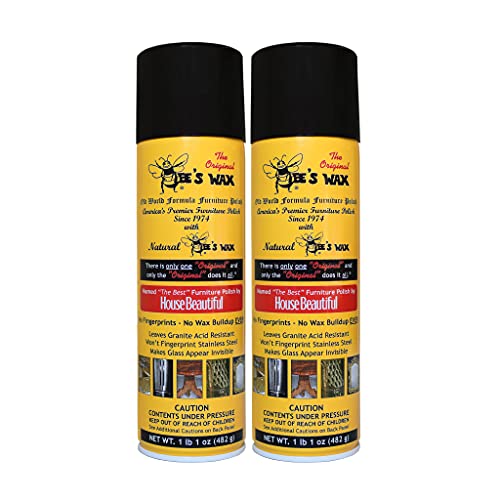
The Original Bee’s Wax Old World Formula delivers a versatile, multi-surface polish. It’s designed for wood, leather, marble, granite, wrought iron, stainless steel, glass, and mirrors, making it a handy all-around keeper for households with varied materials. The formula aims to leave no fingerprints and minimize wax buildup over time, helping surfaces retain a natural, unobtrusive sheen. This approach favors authenticity and simplicity, appealing to users who want a single product for several finishes while avoiding heavy residue.
Ziruma Non-Toxic Wood Wax

Ziruma’s non-toxic wood wax uses natural beeswax with flaxseed and lemon oils to create a safe, food-contact-friendly barrier on kitchen surfaces and woodware. It avoids petroleum-based mineral oils and harsh solvents, making it an eco-friendly option for households seeking a chemical-free approach. The paste formula helps nourish and restore luster, filling small scratches and reviving color depth over time. Applied in thin coats and allowed to cure, it can renew the appearance of cutting boards, bowls, utensils, and wooden countertops without leaving a heavy film.
Minwax Paste Finishing Wax Natural Finish
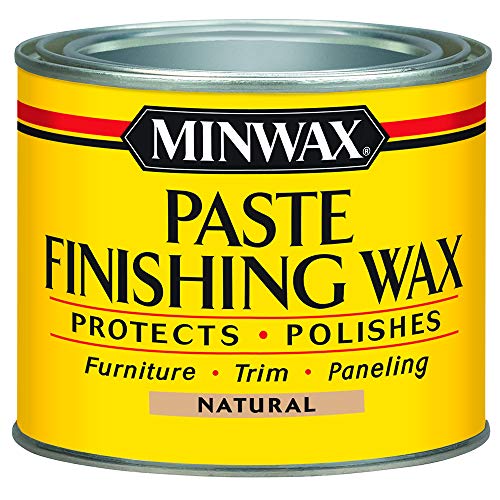
Minwax Paste Finishing Wax provides a hand-rubbed luster that complements furniture, antiques, woodwork, cabinets, doors, and paneling. This paste wax is easy to apply after a thorough cleaning; a thin layer is spread, allowed to dry briefly, then buffed to a smooth shine. It’s particularly suited for pieces that don’t require a hard polyurethane seal, offering a warm, natural finish with subtle depth. The formula includes carnauba wax for durability and a bright finish that highlights wood grain while protecting against minor wear.
Buying Guide
Choosing the right wood wax or polish involves balancing surface type, finish goals, and safety considerations. Below are key purchase considerations and how different products align with common needs.
- Finish goal: Paste waxes tend to yield deeper luster and more tactile finish, while liquid or cream waxes offer easier, faster application with lighter protection. For antique furniture, a soft, controllable sheen is often preferred; for kitchen surfaces, a durable, food-safe barrier may be prioritized.
- Wood type and finish: Raw, unfinished wood benefits from conditioners that penetrate and protect, whereas heavily finished surfaces respond to polishes that enhance depth without altering the surface too much.
- Food safety: If surfaces will contact food, choose waxes explicitly designed for food contact or labeled safe for kitchen use. Some products emphasize food-safe composition, while others are general-purpose polishes.
- Ingredients and eco-friendliness: Natural beeswax, carnauba wax, and plant oils provide a traditional finish with fewer synthetic solvents. If minimizing solvents is a priority, check for mineral oil-free and low-VOC formulations.
- Ease of use and maintenance: Quick-dry formulas and wipe-on buffing are ideal for frequent maintenance. Deeper polishes may require curing time between coats and longer buffing.
- Durability and protection: Carnauba wax adds hardness and longevity, especially on high-traffic items like tables and floors. Reapplication frequency depends on use, exposure, and wear patterns.
- Multi-surface versatility: Some products are designed for wood and other materials (leather, metal, stone). If you own mixed-material furniture, a single product with broad applicability can simplify upkeep.
- Application tools: Cloths, brushes, and buffers affect ease and finish quality. A soft cotton cloth is usually sufficient for most waxes; finer polishes may benefit from a microfiber buff.
- Health and safety: Natural products reduce exposure to harsh chemicals. Always follow manufacturer instructions for curing times and avoid applying to hot surfaces.
- Cost and value: Compare size and expected coverage. A larger can may offer better value but requires more storage space and longer-term commitment to maintain.