Best Water-Based Fence Stain: Top Picks for Durable Outdoor Wood Finish
Water-based fence stains protect wood while preserving natural grain, offer low VOCs, and simplify cleanup. For fences, siding, and decks, you want UV protection, color stability, and durable performance across climates. This guide highlights five top-rated water-based stains designed for outdoor wood, with finishes ranging from semi-transparent to opaque to match any style. The quick summary table below helps you compare sizes, finishes, and key benefits at a glance.
| Product | Brand | Size | Finish / Color | Key Benefit |
|---|---|---|---|---|
| SaverSystems #1 Deck Premium Semi-Transparent Stain | SaverSystems | 1 Gallon | Semi-Transparent Dark Walnut | Shows wood grain with UV protection; low VOC |
| SaverSystems #1 Deck Premium Advanced Solid Color Stain | SaverSystems | 1 Gallon | Light Walnut (Solid Color) | Opaque finish with deep color; UV protection |
| SEAL-ONCE MARINE Wood Sealer | Seal-Once | 1 Gallon | Clear/Natural (Marine Sealer) | Ultra-low VOC; UV-stable protection for moisture-rich areas |
| General Finishes Exterior 450 | General Finishes | 1 Quart | Black Walnut | UV absorbers; exterior-grade on vertical surfaces |
| SaverSystems #1 Deck Premium Wood Fence Stain | SaverSystems | 2.5 Gallon | Dark Walnut (Semi-Transparent) | Stain and sealer in one; grain visible; protection from fading |
Below are five top picks, each with practical insights to help you select the best option for your fencing, siding, or deck projects.
SaverSystems #1 Deck Premium Semi-Transparent Stain
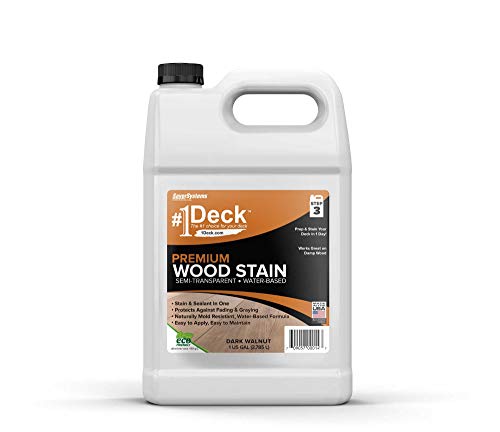
This semi-transparent exterior wood stain is designed to showcase the natural grain of wood while adding color. It provides UV protection to guard against fading and graying, and its water-based formula keeps VOC content low. As a stain-and-sealer in one, it penetrates deep into wood pores to deliver long-lasting defense against the elements, making it suitable for decks, fences, and siding alike. The finish emphasizes the wood’s character, balancing color with the inherent texture of the material.
For maintenance, expect periodic reapplication as weather exposure dictates. It is particularly well-suited for homeowners seeking a natural look with reliable protection. The combination of ease of application and environmental considerations makes it a solid choice for residential fencing projects, especially where the wood’s appearance is a priority.
SaverSystems #1 Deck Premium Advanced Solid Color Stain

This solid color stain provides opaque coverage while protecting against UV-induced fading, graying, peeling, and mildew. Unlike translucent stains, it fully hides the natural grain for a uniform look. The formula acts as a dual-action wood stain and sealer that penetrates deeply for durability and can be applied over existing solid stains with good adhesion. Available in multiple solid color options, including Light Walnut, it offers a matte, even finish that enhances curb appeal on fences and siding as well as decks.
Choose this option when you want dramatic color consistency and low-maintenance upkeep. It’s especially useful on older fences or siding where you want a refreshed, uniform appearance without surrendering significant grain visibility. Be mindful that opaque finishes can alter the wood’s natural texture, so sample testing is recommended before full-scale application.
Seal-Once Marine Wood Sealer

Marine is a water-based, ultra-low VOC wood sealant designed for high-moisture environments such as docks, piers, and coastal decks. It forms a UV-stable coating that protects against saltwater spray and water damage, while remaining safe for aquatic life. This product also functions as a deck stain and sealer, creating a water-resistant shield around wood fibers to preserve natural color and extend the life of the surface in marine conditions.
Recommended for boatside builds or structures near water, Marine emphasizes environmental safety alongside durability. It is particularly appealing for outdoor furniture and thermally modified wood exposed to constant moisture. When color enhancement is desired, a separate stain may be used beforehand since Marine leans toward clearer protective finishes that maintain a natural appearance.
General Finishes Exterior 450 Black Walnut

General Finishes Exterior 450 is an exterior wood stain designed for vertical surfaces like fences, patio furniture, and doors. It features UV absorbers to help preserve color, though it is not recommended for large horizontal decks. The stain is easy to apply by brush, roller, or spray and cleanup is with soap and water. While it provides durable color, owners should be mindful of project types; vertical surfaces generally benefit most from this product’s formulation and UV protection.
The Black Walnut shade offers a deep, classic hue that complements many landscapes. This product is a strong option when you want a traditional appearance with straightforward application. For horizontal deck surfaces, consider a stain formulated specifically for decks, or plan a surface transition to avoid wear patterns that can occur with vertical-surface-focused formulas.
SaverSystems #1 Deck Premium Wood Fence Stain

This product is a semi-transparent deck stain and sealer in one, designed to protect wood from fading and graying caused by weather exposure. It can be used on pressure-treated pine, cedar, fir, and other softwoods, with hardwoods typically requiring more frequent maintenance. The stain allows the wood grain to show through, delivering a natural-looking finish in several color options and a protective layer that minimizes water penetration.
Ideal for fences where you want a balance of color and grain visibility, this stain is a practical option for ongoing maintenance. Since it combines staining and sealing, it reduces the number of coats and steps required, potentially saving time on exterior projects. As with all semi-transparent finishes, plan for periodic touch-ups to maintain color uniformity over time.
Buying Guide
Choosing the right water-based fence stain involves weighing finish type, color options, environmental impact, and intended use. This guide covers the most important purchase considerations and how the five highlighted products stack up for different fencing and deck scenarios.
Finish Type: Semi-Transparent vs Solid Color
Semi-transparent finishes show some wood grain and provide a natural look while adding color and protection. Solid color stains hide grain but offer robust color and uniform appearance. Your choice depends on whether you prefer a natural wood look or a bold, consistent color across the surface. For fences with aging boards, solid colors can refresh the surface; semi-transparent stains are great for preserving existing grain patterns on newer wood.
UV Protection and Weather Resistance
UV protection helps prevent fading and graying due to sun exposure. Look for products that advertise UV absorbers or UV-stable formulations. For coastal or high-moisture environments, a water-based formula with low VOCs and durable UV protection provides longevity without harsh solvents. UV stability often correlates with color retention over multiple seasons, reducing the need for frequent re-coats.
VOC Content and Environmental Considerations
Low-VOC formulas are gentler on indoor air quality during application and in outdoor spaces near living areas. Water-based stains generally offer lower VOCs than solvent-based alternatives. If environmental impact is a priority, review the product’s VOC rating and any wildlife-safe claims. Ultra-low or low VOC options are common among top picks designed for residential use while maintaining performance.
Surface Compatibility and Application
Most water-based stains are versatile for decks, fences, and siding, but some are better suited to vertical surfaces (fences, walls) than large horizontal decks. Consider the substrate type and whether the product functions as a stain, sealer, or both. If applying over existing finishes, verify adhesion and compatibility to avoid peeling or uneven finishes. Tools, drying times, and recoating windows also influence overall project duration.
Color Options and Aesthetic Goals
Color availability ranges from natural wood tones to deeper hues like Walnut or Cocoa. If you aim to preserve wood’s natural warmth, choose semi-transparent shades that emphasize grain. For a more uniform and bold look, opaque colors in Light Walnut or similar tones offer striking transformation. Always test a small area to confirm color depth and finish before full-scale application.
Maintenance, Longevity, and Recoating
Maintenance schedules depend on climate, sun exposure, and wood type. Semi-transparent finishes typically require more frequent touch-ups to maintain color, while solid colors can last longer before reapplication becomes necessary. In high-traffic or coastal areas, plan for earlier maintenance windows. A proper prep routine—cleaning, sanding, and ensuring dry wood—improves adhesion and extends the life of the stain.
Practical Use Case Scenarios
- For natural grain with a little color: choose a semi-transparent stain like SaverSystems options.
- For a refreshed, uniform look on older boards: consider a solid color option from SaverSystems.
- In marine or high-moisture zones: Seal-Once Marine provides UV stability with low VOCs and water-based protection.
- For vertical fences with classic tones: General Finishes Exterior 450 offers durable color with UV absorbers.
- When you want a 2.5-gallon option for larger fence projects: SaverSystems’ semi-transparent Dark Walnut covers more area per can.
In summary, the best choice depends on whether you prioritize grain visibility, color intensity, environmental considerations, or the specific climate and exposure your fence or siding will face. The five products above cover a spectrum of finishes and formulations to suit most American suburban and coastal environments. Always test on a hidden area, follow manufacturer directions, and plan for maintenance cycles that align with your local weather patterns.