Best UV Light for Rockhounding: Detect Fluorescent Clues in the Dark
Rockhounding often hinges on spotting fluorescence that hides in plain sight. A reliable UV light helps reveal yooperlites, minerals, and other hidden clues by exciting minerals to glow. The following picks are among the strongest options for field use, portability, and long-range detection. Each product below is geared toward outdoor fieldwork, resin curing tasks, mineral identification, and pet-urine detection—situations that rockhounds frequently encounter. Read on to compare wavelengths, power, and beam range to find the best fit for your needs.
| Product | Brand | Wavelength(s) (nm) | Power | Best For |
|---|---|---|---|---|
| LUXNOVAQ 30W 365nm UV Flashlight | LUXNOVAQ | 365 | 30W | Rockhounding, mineral fluorescence, resin curing |
| DARKBEAM Dual UV Flashlight 365/395nm | DARKBEAM | 365, 395 | 10W (each) | Dual-wavelength detection, rockhounding, staining checks |
| uvBeast V3 365nm UV Flashlight | uvBeast | 365 | High power | Long-range fluorescence, professional field work |
| XLENTGEN 20W UV Light 365nm | XLENTGEN | 365 | 20W | Deep cleaning, resin curing, rocks and minerals |
| LUMENSHOOTER S5 UV Flashlight | LUMENSHOOTER | 365 | High output (multi-LED) | Rockhounding glow, pet urine detection, scorpion hunting |
Below are five top picks for rockhounding enthusiasts. Each product section includes a brief, objective look at features and practical field use, helping you select a light that balances brightness, wavelength, and portability without overpaying for features you won’t use.
LUXNOVAQ 30W 365nm UV Flashlight

Powered by a 4-core 365nm UV LED array, this flashlight delivers up to 30W of UV output and a beam that reaches over 30 feet in darkness. The 365nm wavelength is well-suited for eliciting fluorescence in many common minerals and rocks, making yooperlites and other specimens glow with minimal proximity. The device is designed for versatile use, including pet urine detection, resin curing, and identifying fluorescence in minerals, jewelry, or uranium glass. A multi-layer filter lens further purifies the UV signal, reducing ambient light interference for clearer results.
For rockhounding, the long-range capability means you can scan patches of ground and identify fluorescing minerals without kneeling or pressing the surface. The flashlight is rechargeable via USB, and its high power supports quick spot checks in dim environments. Users should avoid staring directly into the beam and use appropriate eye protection when scanning a field or cave. The included versatility also makes it a solid choice for field technicians who may encounter resin work or leak detection tasks during outings.
DARKBEAM Dual UV Flashlight 365/395nm

This compact kit includes two UV flashlights in one package, each with 10W of power and an interchangeable dual-wavelength setup (365nm and 395nm). The 365nm beam is excellent for fluorescing minerals and rocks, while the 395nm setting often yields brighter visible responses on certain samples. A hard-coated black filter lens helps reduce visible light bleed, delivering purer UV for precise detection in darker environments. The USB-C rechargeable design adds field-ready reliability for days of rockhounding trips.
Two-pack versatility means you can carry one in your backpack and keep a spare ready in a pouch or vest. Practical for fieldwork, this option supports quick toggling between wavelengths when you encounter unfamiliar mineral types. A caution worth noting is the top cap design—avoid unnecessary twisting to prevent shorts; otherwise, it’s a lightweight, durable option for serious hobbyists and seasoned rockhounds alike.
uvBeast V3 365nm UV Flashlight
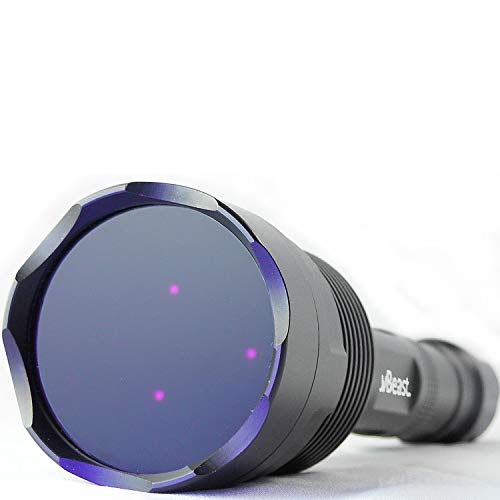
The uvBeast V3 is designed for professionals who demand intense, filtered 365nm UV light with long-range performance. Users benefit from a high-quality UV beam that remains powerful at extended distances, making it ideal for spotting fluorescing rocks, detecting minerals, and locating yooperlites in dim terrain. The UV filter on the V3 minimizes visible light leakage, ensuring a purer, more accurate UV experience without overstating the glow from nearby lights or reflections.
With a focus on reliability, this model emphasizes a long-range, high-intensity beam while maintaining a compact form factor. The V3 is suitable for both fieldwork and lab-based tasks like resin curing or screening for artifacts under UV light. Remember to avoid direct exposure to the beam and to keep the device protected when traversing rugged terrain on rockhounding trips.
XLENTGEN 20W UV Light 365nm

XLENTGEN delivers a robust 20W 365nm flashlight designed for deep detection tasks. A built-in black lens filter helps deliver purer ultraviolet light by suppressing stray visible wavelengths, which improves contrast on fluorescent minerals and stains. The 365nm output shines with noticeable brightness, enabling detection of pet urine, minerals, scorpions, and other fluorescence at distances up to roughly 20 feet in dark environments. The device is well-suited for field use, resin curing projects, and general rockhounding exploration.
Field users appreciate the balance between power and portability. The compact form factor supports easy storage in a pack or pocket, while the UV performance remains strong in outdoor settings. Always use appropriate eye protection and avoid prolonged direct exposure to prevent discomfort during long scanning sessions.
LUMENSHOOTER S5 UV Flashlight

The LUMENSHOOTER S5 packs multiple LEDs to deliver a brighter 365nm UV experience, with a flood-beam that helps illuminate large surface areas. It’s especially useful for detecting pet urine stains, fluorescing minerals, and rocks in dim rooms or during night hunts. The S5’s design emphasizes a wide-reaching beam and reliable performance, which makes it practical for fieldwork and quick scans of rock surfaces or cave walls. Given its brightness, it’s a strong option for hobbyists seeking clearer fluorescence in low-light conditions.
As with other high-output UV devices, users should avoid looking directly into the beam for extended periods and protect their eyes during long sessions. The S5’s portability and robust color response make it a solid choice for enthusiasts who regularly pursue fluorescence in the field or at mineral fairs and demonstrations.
Buying Guide
When choosing a UV light for rockhounding, several factors determine how well a device will perform in the field. Consider wavelengths, power, beam distance, and filter quality to match your typical rocks and minerals. If you often search for yooperlites or fluorescent minerals in open terrain, prioritize longer-range performance and robust power. If you work in caves or indoors, a compact, portable light with a precise beam may be more suitable. A dual-wavelength option is valuable when your samples respond differently to 365nm and 395nm wavelengths. Below are key considerations and how they apply to the picks above.
- Wavelength and fluorescence: 365nm is a common “gold standard” for many fluorescing minerals, but some samples respond better at 395nm. Dual-wavelength models offer flexibility to optimize visibility on diverse rocks and minerals.
- Power and beam range: Higher wattage provides longer reach and stronger fluorescence; field use often benefits from 20W–30W devices to spot distant glow. Battery life matters for long outings.
- Filter lens quality: A multi-layer or hardened filter lens helps block ambient visible light, yielding purer UV and crisper fluorescence.
- Battery and charging: USB-C rechargeability is convenient in the field; consider spare batteries or quick-charge capabilities for extended trips.
- Portability and durability: A compact, rugged design reduces fatigue during long walks and can withstand drops and weather exposure.
- Safety: UV light can irritate eyes; use protective eyewear and avoid staring directly into the beam. Follow manufacturer safety notes for prolonged use.
- Versatility: Some models include features like resin curing capability or leak detection; if you do related tasks on trips, a multifunction device saves weight and space.
Comparing Core Qualities For Rockhounding
| Aspect | 365nm Focus | Dual Wavelength (365/395) | Power Range | Field Relevance |
|---|---|---|---|---|
| 365nm Focus | Strong standard for minerals | N/A | Moderate to high | Primary tool for mineral detection |
| Dual Wavelength | Balanced response | Yes (365/395) | Moderate to high | Versatile for varied samples |
| Beam Range | Variable; many mid-range options | Typically longer with 395nm in some models | High in premium models | Long-range scanning in open terrain |
| Filter Quality | Good | Excellent (clearer UV) | Good to excellent | Clear, high-contrast fluorescence |
In summary, for general rockhounding, a high-output 365nm device with a good UV filter and solid battery life often provides the best balance of brightness and practical field use. If you frequently work with a wide range of minerals or prefer flexibility in different lighting conditions, a dual-wavelength option can offer additional visibility. For resin curing or other non-rock tasks, consider lighter, portable models with USB-C charging. Always align your choice with typical terrain, distance you expect to cover, and how you plan to carry the light on your outings.