Best Tools for Removing Wall Tiles in 2025
Removing wall tiles during renovations requires the right tools to minimize damage to walls and trim. The best options combine leverage, durability, and ease of use. This guide highlights five top tile-removal tools from reputable brands, covering trim pullers, chisels, and scrapers. Each product section explains how it helps with wall tile removal, along with practical usage tips and what to look for when choosing. A concise buying guide at the end compares key features to help you decide.
| Product | Brand | Primary Use | Notable Feature |
|---|---|---|---|
| Goldblatt Trim Puller | Goldblatt | Trim Removal | Wider contact |
| BAMI-LEE Tile Removal Tool | BAMI-LEE House | Tile Removal | Non-slip grip |
| Goldblatt Trim Removal Tool 3-Inch | Goldblatt | Baseboard Trim | Flat, wide contact |
| QEP Razor Scraper | QEP | Adhesive Removal | Five blades |
| WORKPRO 3-Inch Chisel | WORKPRO | Tile Chisel | Hardened steel |
Goldblatt Trim Puller For Tile Removal
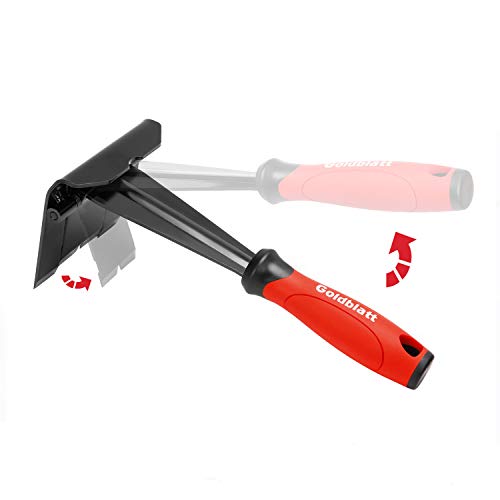
The Goldblatt Trim Puller is built to minimize wall damage when removing trim, baseboards, molding, or tile-adjacent fixtures. Its design features a larger, flatter contact area and an integrated wedged center that concentrates leverage where it matters most, helping lift trim cleanly without gouging drywall. The tool is manufactured from carbon steel and 65Mn steel with a black electrophoretic and polished finish, delivering corrosion resistance and rugged durability. In busy renovation settings, this puller can speed up precise removal while preserving surrounding surfaces.
In practice, its robust construction handles repeated use against stubborn materials. The edge can pry up staples, and the wide contact area reduces the chance of edge cracking. It’s suitable for commercial work and DIY remodels alike, whether you’re freeing baseboards, cabinets, or small sections of flooring near tile work. With proper technique, it supports controlled extractions around corners and tight spaces where traditional pry bars often slip or scratch.
BAMI-LEE Tile Removal Tool

The BAMI-LEE House Tile Removal Tool is designed for efficient tile extraction with comfort in mind. It features a non-slip rubber handle that provides a secure grip during long pulls, helping reduce finger fatigue. The ergonomic shape supports quick disassembly of trims and baseboards, enabling faster tile removal without damaging adjacent walls. The tool is built from hardened steel and finished with a black polish for corrosion resistance, ensuring it can handle repeated, high-pressure removals in both commercial and home settings.
Its wider, flatter contact area mirrors professional-grade pullers, delivering precision when prying old tile from walls, removing a few baseboard sections, or tidying up near cabinet borders. The design supports a range of applications beyond tile, including countertops and molding. Overall, the tool emphasizes control and durability, with edge features aimed at minimizing wall scoring or chipping while offering reliability during protracted renovation work.
Goldblatt Trim Removal Tool 3-Inch

Goldblatt’s 3-Inch Trim Removal Tool focuses on no-damage surface work during baseboard and molding removal around tile installations. Its larger and flatter contact area, combined with an integrated wedged center, improves removal efficiency and lowers the risk of wall surface damage compared with traditional pry bars. The tool uses carbon steel and 65Mn steel with a black electrophoretic and polished finish, delivering strength and corrosion resistance for repeated use during remodel projects.
Designed for precision, the tool is well suited for commercial tasks and sensitive renovations where care matters most. It excels at lifting trim away from walls, cabinets, and flooring edges, and it can also help in removing staples from tack strips with minimal effort. With the right technique, it supports clean removal of trim, baseboards, and associated fixtures without leaving heavy marks behind.
QEP Razor Scraper For Tiles

The QEP 62920 Floor And Wall Razor Scraper is a versatile tool for removing debris, adhesive, and residue from walls, floors, and fixtures. It ships with five stainless steel blades, providing multiple edge options for stubborn residues. The handle includes blade storage and a built-in screwdriver, while a threaded pole attachment accessible via a thumbscrew adds reach for higher surfaces. This combination makes it a practical choice when removing mastic, old caulk, or tile adhesive in preparation for re tiling.
While primarily a scraper, the tool’s design supports controlled prying when used with care. The included blades simplify changing tasks from light scraping to heavy-duty adhesive removal. When integrated into a tile-removal workflow, the razor scraper reduces the need for multiple tools by delivering a stable edge for adhesive removal and clean edges for subsequent tile installation.
WORKPRO 3-Inch SDS Plus Chisel

The WORKPRO 3-Inch SDS Plus Chisel is designed for tough tile and floor removal tasks when used with compatible SDS-plus tools. Constructed from high-quality 40Cr alloy steel and rated for HRC around 50±5, it offers reliable wear resistance and long service life under repeated hammering. The cranked angled bent design enhances maneuverability, enabling efficient material removal from flush surfaces and tight corners where straight chisels struggle.
This chisel suits a range of applications beyond tile work, including laminate, wall moldings, and substrate removal in renovations. It’s particularly effective for loosening stubborn tiles or removing old mortar around edges. The tool’s robust build supports professional-grade tasks while remaining accessible for DIY projects, offering a dependable option for contractors who need solid performance without frequent tool changes.
Buying Guide
Key considerations when choosing tile removal tools
When selecting tools for removing wall tiles, consider the project scope, substrate condition, and whether you need leverage, precision, or cutting capability. For delicate walls, prioritizing a larger contact area and a wedged center can minimize damage. For stubborn or thick tile, a robust chisel or a geared scraper may be more effective. Multi-tool kits can provide coverage for both removal and baseboard work, reducing the need for additional tools.
- Project type: residential remodel vs. commercial job
- Surface sensitivity: drywall vs. concrete backer board
- Tool synergy: combining pullers, chisels, and scrapers
Materials and build quality
Durability matters, especially in repetitive tasks. Tools made of carbon steel or alloy steel with corrosion-resistant finishes withstand repeated hammering and exposure to masonry dust. For long-term value, focus on solid construction, secure handles, and reliable edge geometry that reduces wall scoring.
- Heat-treated metals for edge retention
- Protective coatings to resist rust
- Ergonomic, non-slip handles
Edge design, leverage, and ergonomics
Edge design affects how cleanly you can lift trim and remove tile. A flat, wider contact area with a wedged center distributes force more evenly and lowers the risk of wall damage. Ergonomic grips reduce hand fatigue, particularly on large jobs. For ceilings or high walls, consider tools with extended reach or compatibility with extension attachments.
- Flat contact areas for even leverage
- Integrated wedged centers for improved lifting
- Non-slip handles and comfortable weight balance
Project compatibility and versatility
Assess whether your toolkit needs to cover baseboard removal, trim work, or tile adhesive scraping. Selecting a few versatile tools can reduce the number of separate devices you must manage on a jobsite. In some cases, a single heavy-duty chisel and a reliable scraper may handle most tasks, with a puller reserved for delicate trim work.
- Versatility across trim, tile, and adhesive tasks
- Compatibility with existing power tools or tool belts
- Replacement blade availability and cost
Safety considerations and maintenance
Tile removal involves sharp edges and debris. Wear eye protection, gloves, and a dust mask if cutting through plaster or tile mortar. Keep blades covered when not in use and regularly inspect handles for loosening parts. Clean tools after use to prevent corrosion and store them in a dry environment to extend life.
- Personal protective equipment (PPE) usage
- Blade welfare and replacement scheduling
- Storage and cleaning routines
Cost vs. value
Higher upfront costs often reflect longer life, better edge design, and enhanced ergonomics. For occasional DIY work, mid-range tools may provide sufficient performance, while professional use benefits from heavier-duty models with replacement parts. Weigh initial price against projected durability and the number of projects you anticipate tackling over several years.
- Durability and expected lifespan
- Availability of replacement parts
- Overall impact on project speed and surface protection