Best Tools for Cutting Plexiglass for Clean, Precise Breaks
When working with plexiglass, choosing the right tool can mean the difference between a flawless edge and a jagged, risky cut. The best options combine accurate scoring, controlled breaks, and ergonomic design so you can work quickly without fatigue. This guide focuses on five top tools that consistently perform well on different plexiglass projects—from hobbyist DIY sheets to thicker acrylic panels used in displays. Each option emphasizes reliability, blade quality, and ease of use, helping you select the right tool for your sheet thickness, required precision, and preferred technique.
| Product | Brand | Key Feature |
|---|---|---|
| Red Devil Plexiglass Scoring Tool | Red Devil | Shallow groove for clean breaks with a sharp steel blade |
| BAISALJI Acrylic Plexiglass Cutter Scoring Knife | BAISALJI | Curved handle design for comfortable, repeated use |
| accufine Plexiglass Cutter with 10 Blades | accufine | Japanese SKS7 tungsten alloy blades for durability |
| CALPALMY Plexiglass Scoring Tool (2-Pack) | CALPALMY | Extra-sharp steel blade with ergonomic molded handle |
| PZRT Hook Knife For Plexiglass | PZRT | Hook knife with replacement blades for controlled grooves |
Red Devil Plexiglass Scoring Tool
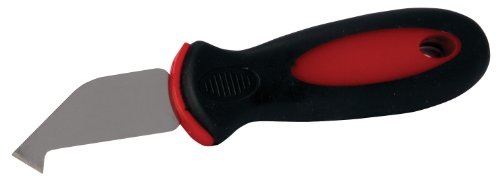
The Red Devil Plexiglass Scoring Tool is designed to create a shallow, precise groove on plexiglass, weakening the panel just enough to snap cleanly along the line. It features a fast, sharp steel blade to establish a scribe with minimal effort, making it suitable for Plexiglas, acrylic, and plastic sheets. The technique involves marking the surface, bending along the scribe line, and snapping the piece off; multiple passes may be required to reach the desired depth. This approach is ideal for thin to mid-thickness sheets where a straight, repeatable break matters most.
In practice, this tool excels on standard acrylic sheets used for display signs, windows, or protective barriers where precise edges are essential. It’s a low-cost, low-skill entry into plexiglass cutting, offering quick results with minimal setup. However, it relies on a controlled hand motion and firm support to ensure the groove remains straight. For very thick or high-tension sheets, a more aggressive cutting method or additional passes may be necessary. Overall, it’s a dependable starter option for straightforward cuts and consistent breaks.
BAISALJI Acrylic Plexiglass Cutter Scoring Knife

The BAISALJI acrylic cutter is designed to carve a thin groove on plexiglass sheets, enabling a clean break along the line. It’s particularly suited for users who prefer a curved-handle tool for comfort during longer sessions. The process involves marking the board with a pen, using a ruler for alignment, and drawing a groove across the sheet. By repeatedly cutting deeper along the groove, the user can bend and snap the material along the line. The tool includes guidance for properly applying pressure from both sides to initiate the break and complete it along the groove.
For best results, maintain steady pressure while guiding the groove with the ruler. The back ridge aids positioning and helps the tool stay stable as you work, reducing misalignment. This tool shines on thinner sheets and lighter plastic panels where a controlled groove yields accurate breaks. It’s less suited to very thick acrylic or highly brittle sheets that require more robust cutting equipment. Ergonomics and a simple setup make it a solid option for hobbyists and light-duty applications.
accufine Plexiglass Cutter With Tungsten Blades

The accufine plexiglass cutter features blades crafted from Japanese SKS7 tungsten alloy steel, delivering enhanced durability and wear resistance. The kit includes a cutting knife and 10 tungsten carbide wear-resistant blades, providing extended tool life for multiple projects. To use, first create a groove on the sheet with the cutter, then break along that groove for a clean edge. This setup is well-suited for repeat tasks where blade longevity and consistent performance matter, such as cutting multiple panels for a display or protective barrier installation.
Durability is the standout attribute here. The tungsten alloy blades resist dulling through repeated passes, which helps maintain a sharp, accurate line across thicker or tougher acrylic sheets. While the tool does require a groove to guide the break, the extended blade life can offer a strong return on investment for professional users or frequent hobbyists. For thicker plexiglass, you may appreciate the blade hardness and the included spare blades, which reduce downtime between cuts.
CALPALMY Plexiglass Scoring Tool (2-Pack)

The CALPALMY two-pack focuses on extra-sharp steel blades designed to create precise scribe lines that bend and snap off cleanly. The tool is built with an ergonomic molded plastic handle to reduce hand fatigue during repetitive scoring tasks. It’s explicitly marketed for scribing plexiglass and generic acrylic sheets, with the note that several passes may be needed to reach the desired depth depending on sheet thickness. This option is well-suited for users who value a straightforward scoring approach delivering repeatable results across multiple sheets.
Practical use emphasizes careful alignment and steady pressure. The tool won’t cut through plexiglass directly but excels at producing crisp marks that guide subsequent breaks. For best outcomes, pair with a ruler and a straight edge to maintain consistent lines, especially when working on large sheets or projects requiring multiple pieces with identical dimensions. It’s a cost-effective choice for DIYers performing recurring cuts on standard thickness panels.
PZRT Hook Knife For Plexiglass

The PZRT hook knife is a versatile cutting tool designed for plexiglass and acrylic boards, featuring a hook-shaped blade that can create controlled grooves along the edge. The kit includes 10 replacement blades and a compact body sized for precision work on smaller panels or tight corners. Its material construction combines plastic handles with steel components to balance rigidity and ease of use. This tool is particularly beneficial when you need to establish shallow grooves quickly and then deliver a careful break, especially on curved or irregular shapes where straight-edged scoring tools may struggle.
Using a hook knife requires careful control and a steady hand. Begin with a shallow groove and gradually deepen it, taking care to maintain a consistent angle to avoid unintended chatter or edge rounding. This approach is advantageous for complex shapes, bevels, or edges that don’t run perfectly straight. While not a direct cutter, the hook knife expands your repertoire for plexiglass projects, offering an option when standard scoring tools aren’t optimal for the geometry involved.
Buying Guide
Choosing the right plexiglass cutting tool hinges on material thickness, desired edge quality, and user comfort. Here are practical considerations to help you decide between scoring tools, hook knives, and more robust blades. For simple, thin sheets, scoring tools often provide the fastest, most economical path to a clean break. For thicker panels or curves, a hook knife or tungsten-blade cutter can deliver deeper grooves with less overall effort. Ergonomics matter too: long sessions benefit from curved handles and molded grips that minimize hand fatigue.
Blade material makes a meaningful difference in longevity. Tungsten alloy blades resist dulling across many passes, especially on harder acrylics. SKS7 tungsten blades and other high-hardness steels offer extended life in professional settings. If you’re cutting frequently, consider having spare blades on hand and evaluating whether the tool includes multiple blades or requires separate purchases. For precise, repeatable results, tools that emphasize consistent groove depth and alignment—paired with a straight edge or ruler—will yield the most reliable outcomes.
Safety and setup are essential. Work on a stable, non-slip surface and wear eye protection. Use clamps or a guide to reduce drift during scoring, especially on large panels. Consider the project’s geometry: straight cuts on flat sheets differ from curved or hole-ready shapes where a hook knife’s geometry shines. Finally, assess cost against long-term use. A slightly higher upfront expense for a durable blade system can pay off through reduced blade changes and improved edge quality over multiple projects.