Best Tools for Cutting Fiberglass: A Practical Buying Guide
Fiberglass and composite materials demand cutting tools that deliver clean, precise results without fraying or heat buildup. This guide highlights five standout options from Amazon, spanning cut-off wheels, industrial shears, insulation knives, and electronic scissors. Each pick balances durability with user safety, helping DIY enthusiasts and professionals tackle fiberglass work—from trimming panels to shaping composites—with confidence.
Below is a quick summary of the chosen tools, highlighting why each is well-suited for fiberglass applications. Consider your typical material thickness, desired precision, and whether you prefer manual blades, rotary cuts, or powered scissors for faster production runs.
| Product | Brand | Primary Use | Key Benefit |
|---|---|---|---|
| EZARC Fiberglass Cut Off Wheels | EZARC | Rotary tool cutting | Fiberglass reinforced for durability; 32-pack with mandrels |
| Klein Tools Insulation Knife | Klein Tools | Foam and fiberglass insulation cutting | Serrated blade with lockback for steady cuts |
| LFI Aramid/Composite Shears | LFI | Cutting fiberglass, Kevlar, and similar fabrics | High-hardness blades with micro-serrated edge |
| Dremel EZ Lock Starter Kit | Dremel | Rotary-tool cutting with fiberglass wheels | Long-lasting fiberglass reinforced wheels; quick changes |
| Wicks Aircraft Electric Scissors | Wicks Aircraft | Cutting carbon fiber, Kevlar, fiberglass | Portable, rechargeable power; multiple blades and batteries |
EZARC Fiberglass Cut Off Wheels

EZARC’s fiberglass-reinforced cut-off wheels offer a blend of durability and precision ideal for fiberglass and metal work. The 1.5-inch wheels are 0.045 inches thick, enabling burr-free, clean cuts with an ultra-thin profile that minimizes material damage in tight spaces. The set includes two mandrels for 1/8-inch arbors and a 32-pack, ensuring you have replacements on hand for extended projects. A maximum speed of 45,000 RPM supports fast, efficient cutting without sacrificing control, making them suitable for cutting bolts, sheet metal, hard metals, and even certain plastics when used with compatible tools.
- Fiberglass reinforced for durability
- 1.5″ diameter; 0.045″ blade thickness for precise, burr-free cuts
- Includes 2 mandrels; 32-pack total
- Max speed up to 45,000 RPM
In practice, these wheels excel on metal edges near fiberglass joints or when you need quick, consistent cuts in a shop environment. They perform best when paired with a compatible rotary tool and proper safety gear. When pushing through tougher composites, maintain measured feed pressure to preserve wheel life and minimize heat buildup that can soften or warp surrounding fiberglass.
Usage tips
Keep the tool steady and avoid twisting the wheel mid-cut. Use a clamp or workbench to reduce vibration, and wear eye protection, gloves, and a dust mask to minimize exposure to fine particles. If you’re cutting through layered composites, consider thin kickback protection and slow-start ramping to maximize control.
Klein Tools Insulation Knife

Klein Tools’ insulation knife is built for controlled, safe cuts of foam and fiberglass insulation. The serrated precision blade delivers smooth scoring and reduces surface snagging on fibrous materials. The 3CR13 stainless steel blade provides toughness and edge retention in demanding insulation tasks, while the lockback mechanism keeps the blade securely open for stability during cutting. The folding design adds convenience for transport and storage on busy job sites. This knife is a practical choice for installers and remodelers who work with fiberglass insulation or foam sheathing.
- Serrated Precision Blade for foam and fiberglass insulation
- 3CR13 stainless steel blade
- Lockback mechanism to hold blade open
For best results, use steady, controlled strokes to avoid tearing the insulation’s surface. The knife’s locking blade helps prevent accidental closures during long cuts, which is particularly useful when trimming large insulation panels or batts. Always keep a spare blade on hand, especially on projects involving abrasive materials that dull blades quickly.
Usage tips
Open the blade fully and maintain a consistent angle while cutting. Use a guided edge or straightedge to improve straight-line performance on longer insulation runs. After use, clean the blade and store it with the blade retracted to protect the edge and extend blade life.
LFI Aramid/Composite Shears

These 10-inch aramid/composite shears from Ascend Tools’ partner LFI provide robust capability for cutting fiberglass, Kevlar, and other high-tensile materials. The blades use high carbon alloy steel infused with molybdenum and vanadium to achieve a hardness around HRC 60-62 and HV1200, delivering durable, clean cuts over long runs. One blade features a micro-serrated edge for extra grip, while an extended tang improves force transfer during repetitive cutting. The design has been tested with thousands of cuts on Vectran and Dyneema, signaling reliable performance on demanding fabrication tasks.
- 10″ heavy-duty blades for tough composites
- High carbon alloy steel with molybdenum and vanadium
- Hardness HV1200; hardness rating HRC 60-62
- Micro-serrated edge on one blade
- Extended tang for efficient force transfer
- Tested on Vectran and Dyneema
These shears excel when precision and endurance matter, such as trimming fiberglass laminates or cutting tough synthetic fibers. They are best suited for workshop settings or controlled job sites where straight, long cuts can be maintained with consistent tension. For curved cuts or intricate detailing, pair with a guide and take small progressive passes to maintain edge quality throughout the work.
Usage tips
Use a soft, steady sawing motion and minimize blade rotation to preserve sharpness. Keep the material taut to prevent snagging, and lubricate with light oil if cutting through resin-rich composites to reduce heat and wear.
Dremel EZ Lock Starter Kit
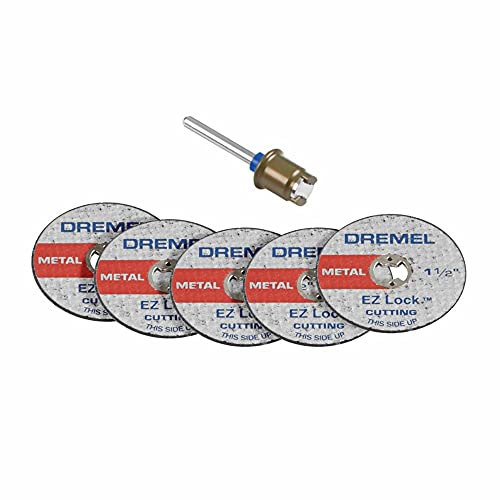
The Dremel EZ Lock Starter Kit converts a rotary tool into a dedicated cutting station for fiberglass-reinforced wheels. It includes the EZ402 mandrel and five EZ456 fiberglass reinforced cut-off wheels. The wheels are designed to last twice as long as older models, delivering durable performance for metal cutting, bolts, sheet metal, thin wood, ceramic, and plastic. The EZ Lock mechanism enables fast wheel changes, helping to maintain workflow when switching tasks on fiberglass and other composites. This kit suits users who value speed and ease of wheel swaps on busy projects.
- EZ Lock with EZ402 mandrel
- Five EZ456 fiberglass reinforced cut-off wheels
- Wheels last 2x longer than older 426 discs
- Durable for metal, bolts, sheet metal, wood, ceramic, and plastic
Use controlled feeding to maximize wheel life and reduce wheel glazing. In tight spaces, angle the tool to maintain a straight cut and reduce the likelihood of wheel wobble. Always wear eye protection and a respirator when cutting fiberglass to minimize dust exposure.
Heavy Duty Electric Scissors For Fiberglass

Heavy-duty electric scissors from Wicks Aircraft are designed for fast, clean cuts through carbon fiber, Kevlar, fiberglass, and other composites. They are portable, easy to operate, and offer low noise, favorable heat emission, and energy efficiency for longer runs. The kit includes three rechargeable batteries (two extras), two tungsten steel blades (one extra), a charger, and a mini Phillips screwdriver with replacement screws. Replacement blades are available to maintain sharp cutting performance across multiple projects, making these scissors suitable for production trimming where speed matters.
- Cuts carbon fiber, Kevlar, fiberglass, and composites
- Includes 3 rechargeable batteries, 2 blades, charger, screwdriver
- Replacement blades available; portable and low-noise design
For best results, plan cut paths to minimize blade loading and heat. Keep blades sharp and clean, and use a light cutting pressure to prevent fraying at the edges. Charge spares between tasks to avoid interruptions on larger fabrication runs.
Buying Guide
Choosing the right fiberglass cutting tools depends on material type, project scale, and your preferred workflow. Start with a clear assessment of the material you’ll encounter most—whether rigid fiberglass panels, carbon fiber composites, or reinforced foams—and match tools to those needs. Rotary-wheel systems excel at controlled, precise cuts in metal-adjacent work, while heavy-duty scissors and electric scissors speed up larger, more repetitive tasks. A versatile kit that includes spare blades, mandrels, and multiple wheel sizes offers flexibility across different projects.
Key purchase considerations include tool type, blade/wheel compatibility, and durability. Wheel-based systems require correct arbor size and appropriate RPM ranges; misalignment can cause wobble and poor cuts. For fabrics and flexible composites, high-hardness blades, micro-serrated edges, and extended tangs improve grip and control. When cutting insulation or soft foams, consider blades designed to minimize tearing and surface damage. For long-term use, evaluate warranty and replacement-part availability, as composite materials can wear blades quickly.
Durability and safety should guide your choice. Fiberglass reinforcement is a feature to look for, as it improves wear resistance and cut quality. For high-volume work, electric scissors or heavy-duty shears can reduce fatigue and boost productivity, but they require proper charging cycles and blade maintenance. Ergonomics matter too; choose tools with comfortable grips, balanced weight, and vibration control to minimize fatigue during extended sessions.
Cost-value balance is important. A pack with multiple wheels and spare mandrels often provides greater long-term value than a single wheel, especially for frequent fiberglass work. If you frequently switch between metal cutting and composite trimming, a modular setup—combining a rotary wheel kit with a pair of durable shears or electric scissors—can offer the most versatility without constant tool swaps.