Best Texture Rollers for Drywall: Top Tools for Finishing
Texture rollers for drywall help create decorative patterns, hide minor wall flaws, and speed up finishing in repairs and new construction. This guide reviews five reliable options, highlighting durability, pattern variety, and ease of use to help American homeowners and contractors choose the right roller for texture work on walls and ceilings.
| Product | Brand | Key Benefit |
|---|---|---|
| Drywall Texture Pattern Roller for Decorative Paint Texturing – Basket Weave Style | ALL-WALL EQUIPMENT | Hides flaws with decorative basket weave texture |
| MBAIYO 2 Pcs 7” Textured Paint Roller | MBAIYO | Durable rubber pattern for versatile textures |
| Nichiyo 7” Texture Roller DIY Decorative Art Pattern | Nichiyo | Negative imprinting for durable patterns |
| ROLLINGDOG 9″ Drywall Compound Roller Cover | ROLLINGDOG | Large-area coverage and steady nap |
| Wooster Brush, 9-Inch R233-9 Texture Maker Roller Cover | Wooster | One-step texture application with durable material |
Choosing the right texture roller involves assessing the project size, desired pattern, material compatibility, and ease of cleanup. The following sections summarize how each selected product performs across common drywall texture tasks, from patchwork repairs to full-room finishes.
Drywall Texture Pattern Roller for Basket Weave

The ALL-WALL EQUIPMENT texture roller is designed to apply a decorative basket weave pattern using drywall mud. It fits any standard 9″ paint roller cage, enabling quick coverage over large wall areas. The roller is ideal for repairs, remodels, and concealing small flaws such as bumps or dents. It supports multiple decorative designs to match various wall and ceiling textures, making it a versatile option for DIY projects and professional work alike.
Key considerations:
– Pattern versatility: Basket weave style provides a classic look suitable for living rooms and hallways.
– Application compatibility: Works with drywall mud for textured finishes; check the substrate for best adhesion.
– Durability: Foam texture roller covers endure repeated use on smooth to moderately rough surfaces; spot-check for wear after multiple projects.
– Maintenance: Clean after use to prevent residue buildup; store dry to maintain nap integrity.
MBAIYO 2 Pcs 7” Textured Roller
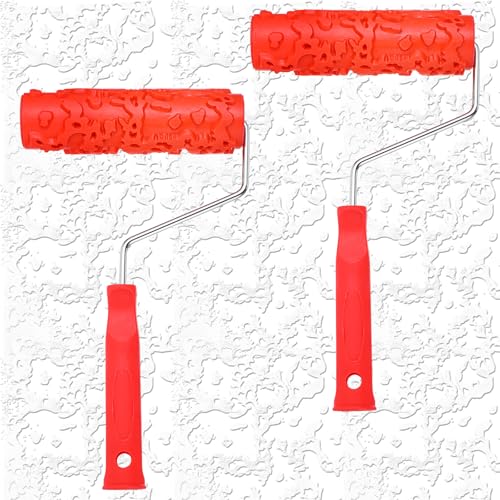
The MBAIYO set uses premium rubber, zinc alloy, and PP for enhanced durability. Its 7-inch roller is well-suited for ceilings and walls, especially when applying thick slurry coatings. The roller enables a variety of patterns and is compatible with wet materials like drywall mud and textured paints, providing a smooth, even imprint. This makes it a strong option for both DIY enthusiasts and professionals who need a reliable tool for creative texture work.
Key considerations:
– Material quality: Rubber and metal construction offer longevity and consistent results.
– Surface reach: 7-inch width balances coverage with control for detail work.
– Versatility: Applicable to drywall texture, wall textures, and ceiling effects.
– Ease of use: Simple rolling action; ideal as an all-purpose texture tool.
Nichiyo 7” Texture Roller
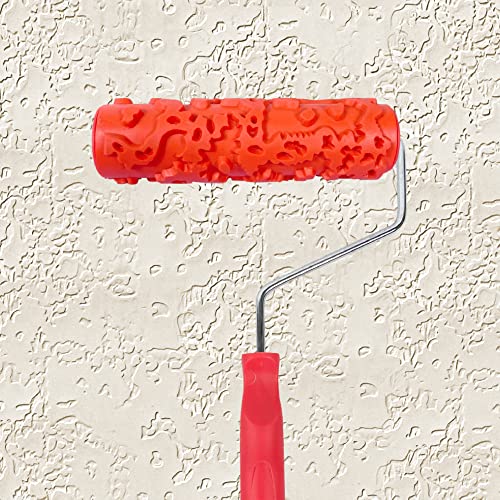
Nichiyo’s 7-inch texture roller focuses on durable rubber construction and negative imprinting—printing patterns onto the wet surface to conceal wall flaws. It is ideal for upgrading furniture, walls, and ceilings with decorative textures. The roller works best with texture mediums, plasters, chalk-based paints, and glazes, but can also be used with other slow-drying paints to maintain pattern clarity over time.
Key considerations:
– Pattern fidelity: Negative imprinting yields crisp, long-lasting textures.
– Substrate compatibility: Suitable for walls, furniture, floors, and decorative panels.
– Product longevity: Durable rubber helps maintain pattern quality across multiple uses.
– Cleaning and reuse: Rinse after use to preserve the imprint quality for future projects.
ROLLINGDOG 9″ Drywall Compound Roller

The Rollingdog 9″ roller is designed for applying drywall compound efficiently across large areas. Its synthetic nap maintains shape under repeated use, ensuring even distribution of the compound. The nap length is tuned to hold the right amount of material, minimizing drips and producing a professional, uniform finish. This tool is especially helpful when finishing seams before skimming or taping for a smooth surface.
Key considerations:
– Coverage efficiency: Large 9″ width speeds up compound application.
– Drag and drip control: Proper nap reduces runs and sags.
– Durability: Synthetic materials resist wear and maintain nap shape.
– Compatibility: Best used with drywall compounds and similar fillers.
Wooster 9-Inch Texture Maker Roller Cover

The Wooster 9-inch texture maker roller combines durability with ease of use. The tan plastic looped material helps apply texture paints and can also be used to apply coarse epoxy coatings, making it versatile for different finishing needs. This roller supports one-step texture application and is suitable for both walls and ceilings where a decorative pattern is desired. It is a practical choice for contractors seeking a reliable tool for repeated textured applications.
Key considerations:
– Pattern versatility: Effective for various texture paints and coatings.
– Handling: Durable construction with dependable grip for extended use.
– Material compatibility: Works with texture paints, plasters, and coarse coatings.
– Cleaning: Rinse after use to prevent material buildup and preserve nap.
Buying Guide
Texture rollers for drywall come in a range of materials, sizes, and pattern designs. When selecting the right tool, consider the following factors to tailor your choice to the project:
-
<liPattern variety and design: If you want a specific look (basket weave, geometric, or natural textures), confirm the roller’s available designs. Some sets offer interchangeable patterns, increasing versatility for different rooms or architectural styles.
<liRoller width and nap length: Larger widths speed up big-area work, while shorter naps provide crisper patterns on smoother surfaces. For ceilings or large walls, a 9-inch roller is a common sweet spot.
<liMaterial and durability: Rubber or silicone rollers paired with sturdy handles or metal components tend to last longer under repeated professional use. Check for wear-resistance in the nap and the frame to minimize maintenance.
<liSubstrate compatibility: Ensure the roller is compatible with drywall mud, textured paint, plaster, or glaze. Some rollers perform best with wet materials; others tolerate slow-drying finishes.
<liEase of cleaning: Texture materials can trap material in the nap. Choose rollers that rinse clean and dry quickly to prevent residue from affecting future textures.
<liErgonomics and comfort: Handles with soft grips reduce fatigue on larger projects. Ergonomic design helps maintain control during detailed imprinting or longer sessions.
<liMaintenance and replacement parts: Consider availability of replacement sleeves or covers. A roller that is easy to replace or clean can lower long-term costs.
<liIntended usage: For repairs and patches, lightweight, pattern-focused rollers are ideal. For large living spaces, high-coverage rollers with robust construction are preferable.
Overall, texture rollers for drywall are a practical, design-forward choice for interior finishes. By pairing the right pattern with the appropriate material and technique, homeowners and pros can achieve professional-looking textures that hide flaws and elevate décor without extensive labor.