Best Tagging Gun for Clothing: Top Picks for Retail, Garage Sales, and DIY Repairs
Choosing the right tagging gun for clothing helps retailers and avid canners attach price tags, labels, or hangers quickly and securely. This guide highlights versatile, durable models suitable for fabric ranges from denim to cotton, and it covers not-stitch-gun variants designed for everyday tagging tasks. Read on to compare features, materials, needle counts, and included barbs, so you can select a tagging gun that fits your workflow—whether you run a small storefront, host a yard sale, or repair garments at home.
Summary of selected products
| Product | Brand | Key Points |
|---|---|---|
| Gillraj Tagging Gun | Gillraj Milan | 2″ barbs, 6 needles, durable ABS body, complete starter kit |
| Stitch Gun for Clothes Stichy Tagging Gun | Wannent | Quick repairs, smallest needle, fabric-friendly, includes 1,000 barbs each in black and white |
| BS ONE Price Tagging Gun (Not Stitch Gun) | BS ONE | Durable plastic, stainless needles, easy setup, suitable for broad fabrics |
| Tagging Gun Kit Green | BLK8IGHT | Includes 1008 barbs, 6 needles, hard shell case, easy to transport |
| Mr. Pen Price Tagging Gun | Mr. Pen | 1008 barbs, 5 needles, ergonomic design, professional-grade |
Gillraj Tagging Gun With Barbs And Needles

Gillraj Milan’s tag gun is designed to attach price or hangtags to clothing and merchandise. The kit includes 5000 x 2″ barbs, 6 needles, and a user manual in a durable ABS plastic body. Note that this device is not a mini stitch gun; barbs and standard needles are built for tagging tasks, not garment hemming. The heavy-duty mechanism is built to withstand frequent use in retail settings, with stainless needles that resist wear. This model suits stores, consignments, or yard sales where efficiency and reliability matter.
Stitch Gun For Clothes Stitchy Tagging Gun

Wannent’s Stitch Gun focuses on quick garment repairs. It includes 6 needles and 1,000 black and 1,000 white fasteners, along with a compact design intended for easy handling. The needle size aims to minimize visible holes in regular fabrics such as denim, linen, cotton, and wool, though delicate fabrics like silk are not recommended. The device is suited for quick fixes like loose buttons, small tears, or minor alterations, making it a practical tool for on-site repairs or casual tailoring.
BS ONE Price Tagging Gun for Clothing
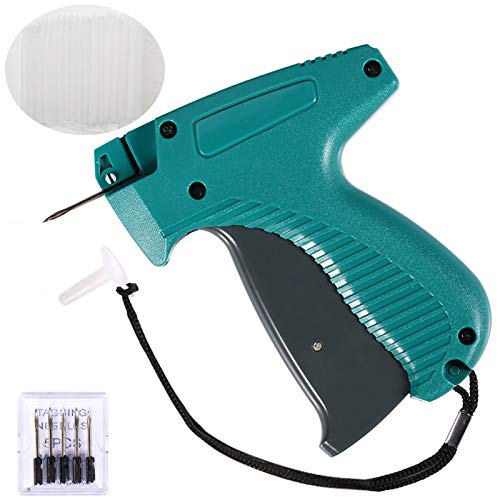
BS ONE’s tagging gun is marketed as not a stitch gun, emphasizing a durable hard plastic build and stainless steel needles. It’s designed for use with a range of common fabrics including wool, linen, cotton, denim, and polyester. The kit stresses ease of use, with quick loading of fasteners and simple needle replacements, and it avoids sewing tasks. This model is suitable for store environments looking for a reliable tagger that can handle routine tagging across various apparel lines while avoiding delicate fabrics like silk.
BLK8IGHT Tagging Gun Kit With Case

BLK8IGHT offers a complete tagging kit in green, including 1008 barbs, 6 needles, and a hard carrying case. The package emphasizes durability with a hard-shell design for portability and long-term storage. The gun is described as easy to learn within a minute and suitable for standard fabrics, excluding silk or other delicate textiles. It’s a versatile option for retailers who need a portable setup and organized maintenance for frequent tagging tasks.
Mr. Pen Price Tagging Gun

Mr. Pen’s tagging gun includes 1008 standard barbs and 5 stainless steel needles, designed for professional and consumer use. The device is described as lightweight with an ergonomic grip to reduce hand fatigue during extended tagging sessions. It’s positioned as suitable for a variety of standard fabrics and is intended to support efficient tagging workflows in retail or home use, with straightforward operation and reliable performance for everyday tagging tasks.
Buying Guide: Key Purchase Considerations
- Durability and materials: Look for a tagging gun with a sturdy plastic or metal frame and stainless steel needles to withstand regular use in stores or during yard-sale tagging days.
- Needle and barb compatibility: Ensure the included needles and barbs fit the intended use. Different models ship with various needle counts and barb lengths; confirm they align with your labeling needs and fabric types.
- Fabric compatibility: Most tagging guns work well on denim, cotton, wool, and polyester. Avoid delicate fabrics like silk; consider a specialized tool or smaller needle if working with delicate textiles.
- Portability and storage: If you tag on the go, a kit with a hard case or pouch helps protect components and keeps needles from bending.
- Ease of use and maintenance: Choose models with simple loading mechanisms and straightforward needle replacement. Ergonomic handles reduce fatigue on long tagging sessions.
- Included accessories: A complete kit with multiple needles, a high quantity of barbs, and a manual saves time and extra purchases later. Check whether extra fasteners are needed or already included.
- Not a stitch gun: Many models emphasize tagging rather than sewing or hemming. If hemming is needed, you’ll require a different tool or device designed for stitching.
- Care and storage tips: Store barbs in their included pouch or case to avoid loss. Regularly inspect needles for burrs and replace as needed to prevent fabric snags.
Which tagging gun should you choose?
For frequent, high-volume tagging in a retail environment, opting for a durable model with a large bundle of barbs and extra needles can reduce downtime between tasks. If you need to perform quick garment repairs alongside tagging, a stitch-capable tool may be handy, though it is not a replacement for specialized tagging guns. When mobility is essential, a compact kit with a case supports tagging across different locations, such as store floors, warehouses, and yard sales. Finally, prioritize ease of use and comfort to minimize fatigue during long tagging sessions.