Best Table Saw Fence Systems for Accurate Rip Cuts
A precise table saw fence is essential for accurate rip cuts, repeatable joints, and safer operation. The right fence system extends stock support, improves blade alignment, and accommodates wide or irregular stock. This guide surveys five top table saw fence systems that cover a range of saw sizes and setups, focusing on compatibility, ease of adjustment, and accessory options. Whether you run a compact benchtop saw or a full-size cabinet model, these fences help you achieve straighter cuts, cleaner rabbets, and better safety margins in every project.
| Product | Brand | Fence Length | Highlight |
|---|---|---|---|
| VEGA U50 Fence System | VEGA | 50″ right extension | Robust steel, micro-adjust, 36″ bar |
| VEGA U26 Fence System | VEGA | 26″ right extension | Compact option with full micro-adjust |
| Peachtree Uni Style Fence | Peachtree Woodworking Supply | 43″ length | Upgrades Delta Uni fence with sacrificial UHMW face |
| JET ProShop II Fence | Jet | Various, depends on rails | Designed for ProShop lineup with optional rail sets |
| BOW XT XTENDER Fence | BOW Products | 46″ length | Three T-slots and quick-attach design |
VEGA U50 Fence System

The VEGA U50 Fence System is designed for versatility across a range of saws. Its 2-1/2″ tall fence and a 36″ fence bar offer a substantial work surface with extended reach to the right. The system supports a 50″ extension to the right and an 8″ reach to the left of the blade, enabling wide workpieces to be handled with accuracy. A micro-adjustment feature lets you dial in precise alignment, and the auxiliary table support increases stock support for longer cuts. Built with steel construction, the assembly emphasizes rigidity and repeatability, though some setup is required.
- Fits a variety of table saws
- 2-1/2″ fence height for stability
- 36″ fence bar with 50″ right extension and 8″ left clearance
- Micro-adjustment for alignment accuracy
- Auxiliary table support included
- Steel construction; assembly required
Vega U26 Table Saw Fence System
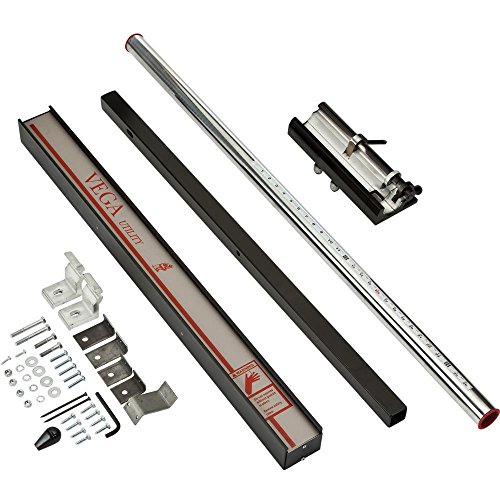
The VEGA U26 delivers a compact yet capable fencing solution for narrower setups. Featuring a 36″ fence bar and a 26″ extension to the right (with 8″ to the left of the blade), this system provides reliable alignment and crisp cuts for smaller shop footprints. It includes micro-adjustment and an auxiliary table aid for extended support. Like the U50, it is built with steel components to resist deflection and maintain accuracy during repeated passes. Assembly is required, but the installation is straightforward for most standard saws.
- 36″ fence bar; 26″ right extension
- 8″ left of blade clearance
- Micro-adjustment for precise setup
- Auxiliary table support
- Steel construction; assembly required
Peachtree Uni Style Fence
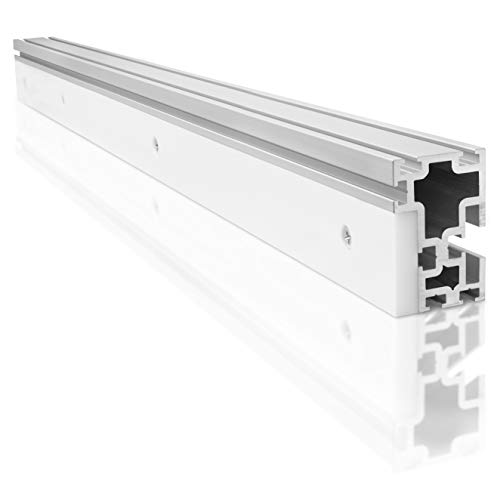
The Uni Style Fence from Peachtree Woodworking Supply is a heavy-duty upgrade designed for older Delta Uni fences. It is a single-piece aluminum extrusion, engineered for strength and rigidity. The fence supports an UHMW sacrificial face, enabling clean rabbet and dado-type work when needed. The front is recessed to accommodate a 1/2″ thick UHMW strip, allowing you to cut sacrificial faces to length for clean, precise cuts. This design expands the functional life of existing Uni fences by enabling more jig options and fixtures.
- Heavy-duty aluminum extrusion
- Upgrade for Delta Uni fences
- Included UHMW sacrificial fence face
- Recessed front accepts 1/2″ UHMW strip
- Supports custom jigs and fixtures
JET ProShop II Fence Assembly
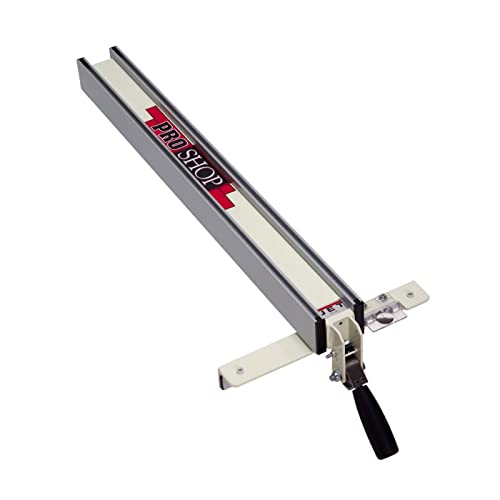
The JET ProShop II Fence is crafted to fit JET’s ProShop, ProShop II, and JTAS-10 table saws. It emphasizes operator protection and guides the workpiece through the cutting zone with solid control. The system’s rails are sold separately (30″ or 52″ options), allowing users to tailor the setup to their table size and usage. This fence prioritizes reliability, smooth operation, and compatibility with JET’s broader fence ecosystem, making it a practical choice for shops already using JET equipment.
- Designed for JET ProShop and JTAS series
- Rail sets sold separately (30″ or 52″)
- Focus on operator protection and guided cuts
- Reliable alignment and rigidity
- Compatible with common JET accessories
BOW XT XTENDER Fence

The XT XTENDER Fence from BOW Products expands the practical workspace on smaller tables. It stands 5″ tall and includes three top T-slots for feed-control accessories, a milled clamp attach slot, and a special slot to attach to Delta UniFence and Harvey fences. The fence is built from robust aluminum extrusion with an anodized finish, designed to work with a variety of tools. When paired with the optional XT Feed Supports, it extends the table surface for infeed/outfeed, improving stability and cut quality on portable or benchtop saws.
- 46″ length; 5″ tall
- Three T-slots for accessories and control
- Fast attach/detach with track clamps
- Compatible with Delta UniFence and Harvey fences
- Can extend table surface with XT Feed Supports
Buying Guide
Choosing the right table saw fence requires balancing compatibility, size needs, and the kinds of cuts you routinely perform. Here are key considerations to help you decide which fence system fits your shop best.
- Compatibility: Verify that the fence fits your saw model or fence rails system. Some fences are universal, while others target specific brands (Delta Uni, JET ProShop, etc.).
- Fence length and reach: Longer fences improve accuracy on wide sheets but require more space. If you frequently work with large panels, prioritize fences with substantial right extensions and stable support.
- Fence height and rigidity: A taller fence can resist stock deflection, especially with hefty boards. Steel or solid aluminum constructions tend to be stiffer than lighter options.
- Micro-adjustment: Fine control is valuable for setting precise fence alignment to the blade. Look for adjustable travel with clear detents or measurement marks.
- Auxiliary support: An extended table surface or add-on supports reduces stock sag and helps with long cuts. Consider fences that offer or support such accessories.
- Sacrificial faces and jigs: Some fences include or allow easy mounting of sacrificial UHMW faces for rabbets or dado-style work, which protects blades and improves cut quality.
- Installation and compatibility with existing hardware: Some fences require specific rail systems or pre-cut slots. If you have a portable saw or limited shop space, choose a model that’s quick to install and easy to remove.
- Accessibility of accessories: Rail sets, extension kits, and clamps impact overall usability. A system with widely available add-ons may provide greater long-term value.
- Durability and warranty: Fences built from steel or high-grade aluminum and backed by a reliable warranty tend to offer better long-term performance in busy shops.
- Safety considerations: Look for fences that maintain blade proximity control and minimize wobble. A stable fence reduces kickback risk and improves cutting consistency.
When evaluating options, consider your typical stock sizes, whether you work mostly on portable or cabinet saws, and how much shop space you can allocate for a fence system. For beginners, a fence with straightforward installation and strong modular support often yields the best balance of performance and value. For advanced shops, modular fences with multiple extension options and strong micro-adjustment features offer greater versatility for a wide range of projects.