Best Surfacing Router Bits for Slab Flattening and Spoilboard Surfacing
When building a flat, smooth work surface for woodworking projects, a reliable surfacing router bit is essential. This article reviews top-rated surfacing bits designed to flatten slabs, plane spoilboards, and create precise, smooth finishes. Each option below offers different shank sizes, cutting diameters, and carbide insert configurations to fit a range of routers and project needs. Whether you’re resurfacing a CNC spoilboard or flattening thick slabs, these picks emphasize durability, edge life, and ease of maintenance. The following selections come from reputable brands and are well-suited for American workshops seeking consistency and efficiency.
Summary of selected products
| Product | Brand | Shank | Cut Diameter | Notes |
|---|---|---|---|---|
| SICWOOD Slab Flattening Router Bit | SICWOOD | 1/2″ | 2″ | 6-wing carbide inserts; replaceable inserts |
| BINSTAK CNC Spoilboard Surfacing Bit | BINSTAK | 1/2″ | 2″ | 3-wing; anti-kickback; heat-resistant coating |
| BINSTAK 1/4″ Shank Slab Flattening Bit | BINSTAK | 1/4″ | 1-3/8″ | 2+2 inserts; cost-effective |
| BINSTAK 1/4″ Shank Extra Large Bit | BINSTAK | 1/4″ | 1-1/2″ | Carbide-4 wings; large diameter |
| Whiteside 6210 Spoilboard Bit | Whiteside | 1/4″ | 1″ | Three flutes; smooth finish |
| SpeTool 2+2 Flute Slab Bit | SpeTool | 1/4″ | 1-1/4″ | ATS coating; replaceable inserts |
SICWOOD Slab Flattening Router Bit 1/2 Shank
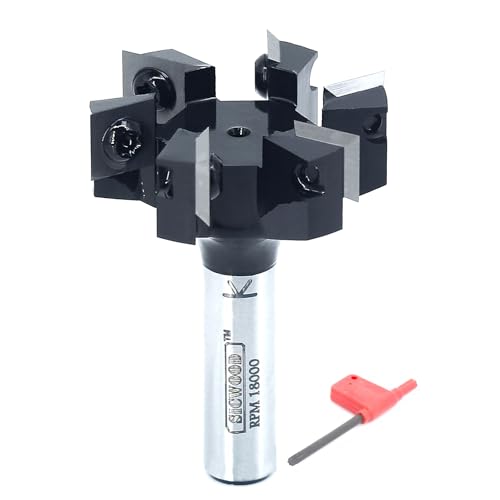
The SICWOOD slab flattening router bit features a 1/2 inch shank and a 2 inch cutting diameter, with six carbide Inserts arranged in a 6-Wing configuration. The carbide inserts measure 12x12x1.5 mm and are replaceable, allowing extended tool life. This bit is designed for precise leveling of spoilboards and slabs, delivering smooth cuts at up to 18,000 RPM. The insert-based design emphasizes durability and cost-effectiveness compared to solid carbide blades, making it suitable for frequent resurfacing tasks in professional or hobby workshops.
BINSTAK CNC Spoilboard Surfacing Router Bit 1/2″ Shank

This 1/2″ shank CNC spoilboard surfacing bit has a 2″ cutting diameter with a 3-wing carbide insert design. Its solid hardened steel body features an anti-kickback design and a heat-resistant Teflon coating to minimize resin buildup, enabling faster cleanup. Built for heavy-duty use, it’s appropriate for flattening spoilboards and preparing flat work surfaces in woodworking and CNC environments. The product includes replaceable inserts for long-term value and reduced overall cost.
BINSTAK 1/4″ Shank Slab Flattening Bit 1-3/8″ Diameter

With a 1/4″ shank and a 1-3/8″ cutting diameter, this 2+2 insert carbide bit is designed for efficient slab flattening and spoilboard resurfacing. The 12×12 mm inserts are replaceable, creating a cost-effective option that keeps downtime low. Its anti-kickback design and robust steel body support reliable, precise surface prep across hardwood and softwood projects alike.
BINSTAK CNC Spoilboard Bit 1/2″ Shank, 2″ Cut
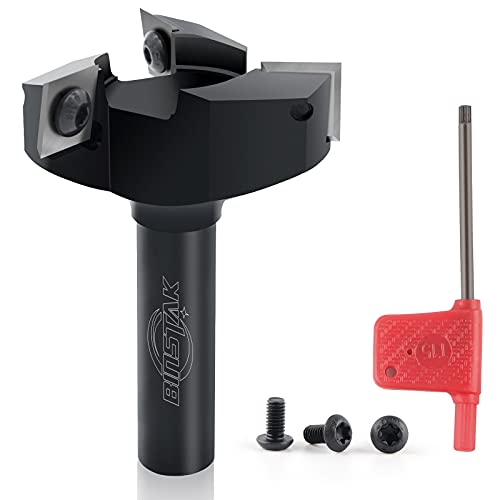
This 1/2″ shank, 2″ cutting diameter, 3-wing carbide insert bit balances performance and longevity. The 12×12 mm inserts provide reliable edge wear, and the three-wing design aims for a stable, even surface. The tool is described as suitable for both spoilboard resurfacing and slab flattening, with emphasis on durability and efficiency in demanding woodworking tasks.
Whiteside 6210 Spoilboard Surfacing Bit
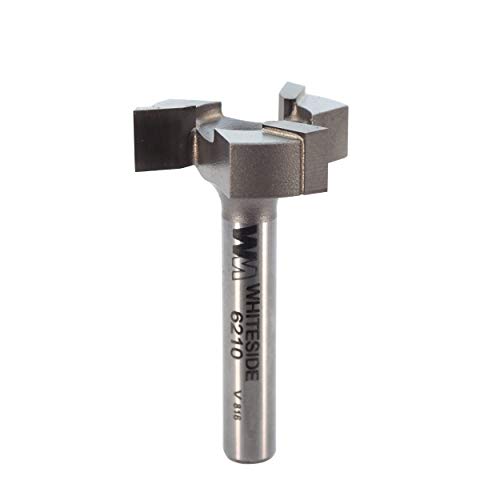
Whiteside 6210 features a 1/4″ shank and a 1″ cutting diameter with a three-wing carbide-tipped configuration. Designed to deliver a smooth finish on spoilboards and project surfaces, this bit is commonly used for flattening slabs. The three-flute design supports stable cutting with a focus on producing high-quality top surfaces, with a balance between speed and edge life for consistent results.
BINSTAK 1/4″ Shank 1-1/2″ Cutting Diameter

This extra-large 1-1/2″ cutting diameter bit uses a 1/4″ shank and features carbide inserts configured for efficient slab flattening. The 4-edge insert design allows you to rotate edges for extended use, making it a cost-effective option for routine spoilboard resurfacing and heavy-duty planing tasks. It’s positioned as a strong midrange choice for shops needing fast material removal with good surface finish.
Buying Guide: Key Considerations For Surfacing Router Bits
- Shank size and compatibility: Choose a shank size that matches your router’s collet. Common options include 1/4″ and 1/2″ shanks. A mismatched shank can compromise cut quality and safety.
- Cutting diameter and depth: Larger diameters remove material quickly but require careful handling and risk chatter if not properly supported. For spoilboards and slabs, 1″ to 2″ diameters are typical choices depending on project scale.
- Carbide insert design: Insert-based bits extend tool life by allowing edge rotation or replacement of individual inserts. Consider 2+2, 3-wing, or 6-wing configurations based on balance, rigidity, and finish requirements.
- Coatings and resin buildup: Coatings like Teflon or ATS-coated carbide help minimize resin buildup and improve cleaning ease, especially on sticky hardwoods or composite materials.
- Anti-kickback design: Bits with anti-kickback features reduce kickback risk and improve safety during heavy-duty surfacing tasks.
- Durability vs. cost: Insert-bit designs typically offer longer life and lower maintenance costs over time, while brazed or solid carbide variants may provide a simpler, lower upfront cost.
- Surface finish requirements: For spoilboards and slabs, a smooth, flat finish is essential. Three-flute or multi-flute designs can influence the surface texture and cutting speed.
- Maintenance and replacements: Check availability of replacement inserts and the ease of replacing worn edges to maximize uptime.
When selecting a surfacing router bit, balance project size, desired finish, and maintenance practicality. For frequent resurfacing or CNC spoilboard work, insert carbide designs typically offer better life-cycle value. For occasional use on hardwoods or softwoods, standard carbide blades may suffice. Always follow the router’s manufacturer guidelines for RPM and feed rates to ensure optimal performance and safety.