Best Stud Finders for Lath and Plaster Walls
Discover reliable tools that detect studs behind challenging lath and plaster walls. The following picks emphasize accuracy, through-wall scanning, live-wire detection, and ease of use—helping you mount shelves, install fixtures, or run wiring with confidence on older homes and renovations.
| Product | Brand | Key Benefit | Detection Notes |
|---|---|---|---|
| Franklin Sensors ProSensor MAX | Franklin Sensors | 13 sensors for high accuracy | Through plaster; two detection modes |
| Franklin Sensors Prosensor M210 | Franklin Sensors | Live wire detection | Displays full width of studs; through drywall |
| JAXWQ Stud Finder Wall Scanner 5 in 1 | JAXWQ | Broad detection including live wires | HD LCD with center/edge indicators |
| StudPoP Original Smart Magnetic Stud Finder | StudPoP | No batteries or calibration | Effective on lath and plaster |
| Zircon MetalliScanner m40 | Zircon | Dual metal detection | Identifies metal studs, nails, rebar behind walls |
Franklin Sensors ProSensor MAX Stud Finder

Franklin Sensors’ ProSensor MAX is designed to maximize accuracy in wall scanning, particularly on older construction where plaster and lath are present. With 13 sensors, this model outperforms standard suppliers that rely on fewer detection points. It can detect studs up to 2 1/2 inches deep, making it suitable for thicker wall assemblies and multi-layered surfaces that include plaster, lath, and OSB. The device uses precision LEDs to indicate the stud location’s center and edges simultaneously, helping installers place nails, screws, or anchors precisely where needed. No calibration is required; you simply press and hold to begin scanning, and you can start anywhere on the wall, even over a stud. It includes two detection modes to handle various wall compositions, including thick plaster and layered drywall configurations.
Franklin Sensors ProSensor M210 Stud Finder
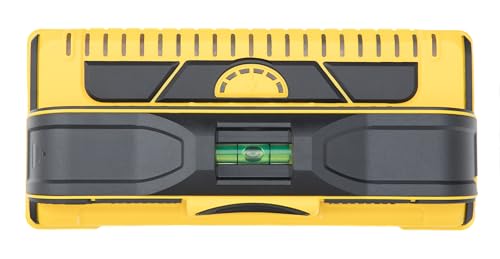
The ProSensor M210 emphasizes enhanced accuracy with 13 sensors, offering reliable detection for wood and metal studs. A standout feature is live wire detection, reducing the risk of drilling into live electrical circuits. The wide LED display provides a clear readout of both the stud’s center and edges, helping users interpret complex configurations such as double studs or irregular stud layouts behind plaster or drywall. One-mode operation keeps usage straightforward, and the device adapts to varying wall depths and textures, enabling scanning anywhere—even over existing studs.
JAXWQ 5 in 1 Stud Finder Wall Scanner

This 5-in-1 tool uses a microprocessor-based sensor chip for rapid, accurate detection of wood and metal studs, joists, pipes, and live AC wires behind walls, floors, and ceilings. The high-visibility LCD displays the center and edge of detected studs, the location, and battery status. Audio alerts assist users in locating studs even in dim environments. Its dual-mode operation (wide scan and pinpoint) offers flexibility for projects that require quick area coverage or precise target identification, making it a practical option for both professionals and DIY enthusiasts.
StudPoP Original Smart Magnetic Stud Finder

The StudPoP uses a magnet-based approach designed for very thick plaster walls where traditional electronic sensors may struggle. It does not require batteries or calibration, and the magnet provides a visual cue when metallic elements are detected. This model is particularly touted for performance on lath and plaster surfaces and tile, offering a simple, tactile method for locating metal studs and nails behind challenging wall finishes. It is best used as a quick reference tool in conjunction with other detection methods for a comprehensive assessment.
Franklin Sensors ProSensor M150
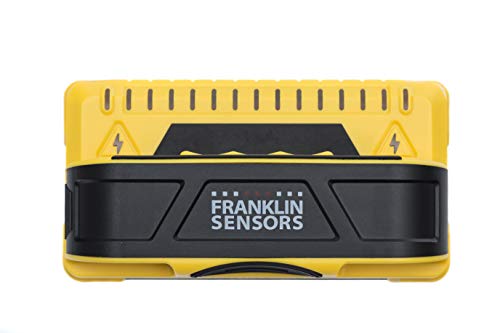
The ProSensor M150 offers nine sensors to enhance detection accuracy, with a focus on consistent performance across different wall types. It features a single-mode operation that handles various depths, materials, and textures. The LEDs display the full width of studs, including single studs, double studs, and irregular configurations, which can be particularly useful when working with older or non-standard wall assemblies. Live wire detection is included, adding an extra layer of safety for electrical drilling projects.
Zircon MetalliScanner m40

The Zircon MetalliScanner m40 is a handheld metal detector designed to locate ferrous and non-ferrous metals in walls, concrete, lathe and plaster, and other materials. It offers dual scanning modes—Wide Scan for broad area coverage and Pinpoint Scan for precise targeting—helping identify metal studs, pipes, and rebar behind walls. The blue coil indicator provides a visual cue to denote proximity to metal, improving accuracy before you drill or cut. This tool is especially useful for renovations where metal infrastructure is a concern behind plaster or masonry surfaces.
Buying Guide
When choosing a stud finder suitable for lath and plaster walls, consider these factors:
- Detection depth and wall materials: Plaster, lath, OSB, and tile require tools that can detect through multiple layers. Look for devices with multi-depth modes or thick-wall capabilities.
- Sensor count and accuracy: More sensors generally yield higher accuracy and better edge/center detection, reducing the risk of misplacing fasteners.
- Live wire detection: A built-in safety feature that helps identify live electrical lines before drilling or cutting.
- Display readability: A bright LCD or LED indicators with clear center/edge readouts improves usability in dim rooms.
- Through-wall capabilities: Some models scan through drywall, plaster, and other wall coverings, while magnetic options excel on plaster or solid walls without metal. Consider combining a magnetic tool with an electronic scanner for best results.
- Ease of use: Calibrations, one-mode scanning, and quick-start scanning reduce setup time for DIYers and pros alike.
- Durability and USA-made options: For frequent use in renovation projects, choose models built for rugged use and reliability, including those manufactured in the USA when available.
- Best practices: Always verify detected locations by scanning multiple nearby points and confirming consistency. When drilling, start with a small pilot hole to validate the location.
- Safety: Use live-wire detection to avoid electrical hazards. If you are unsure about wall contents, err on the side of caution and test in several spots before proceeding.
These products collectively address common challenges encountered with lath and plaster walls, including irregular stud configurations, multi-layer wall assemblies, and the presence of electrical or metal elements behind surfaces. The selection emphasizes accuracy, safety, and ease of use to support accurate mounting and planning across a range of renovation scenarios.