Best Stud Finder for Electrical Wires: Accurate Wall Scanners for Safer Drilling
Choosing a stud finder that reliably detects studs and live electrical wires can prevent costly mistakes and injuries. This guide reviews top options designed for American homeowners and professionals, focusing on devices with live-wire detection, clear displays, and user-friendly scanning. Each entry highlights key features, so you can compare performance, safety, and ease of use at a glance.
| Product | Brand | Live Wire Detection | Display | Best For |
|---|---|---|---|---|
| ProSensor M210 | Franklin Sensors | Yes | LED | High accuracy, large scanning area |
| ProSensor M150/X990 | Franklin Sensors | Yes | LED | Versatile depth awareness |
| MultiScanner A200 | Zircon | Yes | LCD + SpotLite | Auto-correcting precision |
| MultiScanner A250c | Zircon | Yes | LCD + WireWarning | All-in-one detection |
| FNIRSI 6-in-1 | FNIRSI | Yes | LCD | Comprehensive detection modes |
When selecting a stud finder for electrical wires, consider sensor count, depth capability, how the device handles various wall materials, and how clearly it communicates live-wire warnings. The products below represent five strong options with clear safety features and reliable performance for typical US construction and home renovation projects.
Franklin ProSensor M210: 13-Sensor Precision
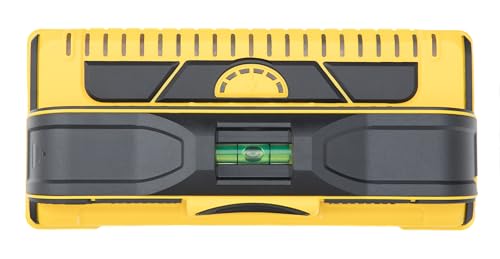
The Franklin ProSensor M210 offers 13 patented sensors for enhanced accuracy in locating studs, metal, and live wires behind walls. A wide LED display enables users to see the stud center and edges simultaneously, aiding precise drilling and mounting. This model is particularly suitable for projects requiring dependable depth reading and fast location of structural lines while prioritizing safety with live-wire detection.
Franklin ProSensor M150/X990: Deep Scan Capabilities
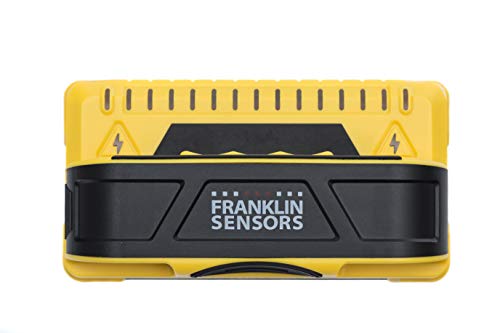
The ProSensor M150/X990 pairs 9 sensors with live-wire detection to deliver broad coverage and reliable detection across various wall types. Its “scan anywhere” approach allows you to start scanning without precise calibration, and the LEDs show full stud patterns, including double studs and irregular configurations. This makes it a practical choice for residential renovations where quick, accurate planning matters.
JAXWQ 5-in-1 Wall Scanner (Yellow Pear)

JAXWQ’s 5-in-1 wall scanner features a microprocessor-based chip and a bright LCD display. It identifies center and edge locations for metal studs, wood studs, joists, pipes, and live AC wires. The device provides audible alerts to guide drilling and offers high visibility in low-light areas. It’s marketed as a versatile tool for DIYers and professionals seeking a reliable general-purpose scanner with live-wire safety here.
JAXWQ Soft Gray 5-in-1 Stud Finder

This soft gray variant mirrors the 5-in-1 functionality with an intelligent micro-sensor and LCD display. It emphasizes fast detection for edges and centers of studs, pipes, joists, and live wiring, making it a practical option for users who need a dependable, easy-to-read tool for hanging cabinets, shelves, or TVs while maintaining safety through live-wire alerts.
Zircon MultiScanner A200: Auto-Correcting Precision
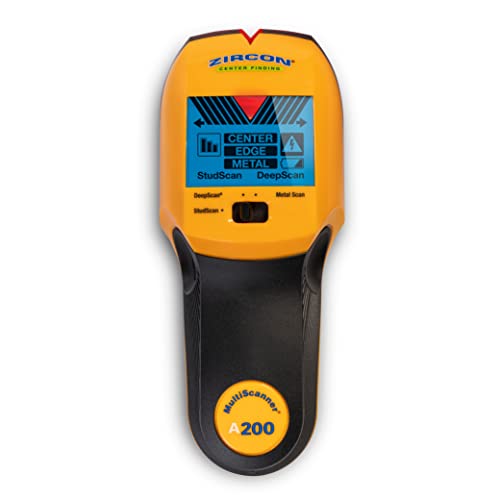
The Zircon A200 employs Auto-Correcting Technology (ACT) to reduce user scanning errors and false positives. It detects wood and metal studs, rebar, and live wires, and projects a SpotLite pointer while displaying real-time readings on an LCD. The combination of spot marking and visual feedback makes it a strong choice for precise mounting and safety-conscious wall work.
Zircon MultiScanner A250c: All-In-One Detection

The A250c integrates stud, metal, and live-wire detection with advanced WireWarning technology. It locates the center and edges of studs up to ¾ inch deep and signals the presence of live wires up to 2 inches deep. This model is ideal for complex walls where multiple materials and hidden services may intersect with the drilling area.
Buying Guide: Key Purchase Considerations
- Live wire detection strength: Look for devices that clearly warn of live electrical lines, ideally with multiple sensitivity levels or reliable indicators.
- Sensor count and depth: More sensors generally improve accuracy, especially when scanning through plaster, drywall, or paneling. Check maximum detectable depth for studs and pipes.
- Display clarity and feedback: A bright LCD, SpotLite pointers, and audible alerts help ensure you correctly identify studs and wires before drilling.
- Wall material versatility: Choose models proven to handle wood, metal studs, joists, pipes, and various wall finishes common in US homes.
- Ease of use: Look for straightforward calibration, scan-anywhere functionality, and clear indicators for edge vs. center of studs.
- Safety features: Prioritize devices with reliable live-wire detection and warnings to minimize the risk of drilling into electric cables.
- Durability and warranty: For frequent use, consider tool build quality and a warranty that covers common wear and sensor calibration.
- Price and value: Compare sensor counts, features, and build quality to determine which tool provides the best return for your typical projects.
These considerations help users select a tool that balances accuracy, safety, and value. For typical home improvement tasks, devices with multiple sensors and reliable live-wire detection tend to offer the most practical benefits, while pro-grade models emphasize robust scanning in challenging walls and older homes.