Best Fence Stains for Lasting Outdoor Wood Protection
Choosing the right fence stain helps protect outdoor wood from sun, moisture, and pests while preserving curb appeal. This guide highlights five widely available options that balance color, durability, and ease of application for American homeowners. From clear waterproofer stains to semi-transparent finishes that reveal wood grain, these products cover a range of materials and climates. Review the quick product table below, then explore detailed sections with pros, features, and application tips to help you pick the best stain for your fence.
| Product | Brand | Color / Notes | Size | Finish / Type |
|---|---|---|---|---|
| Ready Seal 512 5-Gallon Pail Natural Cedar Exterior Stain and Sealer for Wood | Ready Seal | Natural Cedar | 5 Gallon | |
| SaverSystems #1 Deck Premium Wood Fence Stain – Semi-Transparent Sealer (1 Gallon, Dark Walnut) | SaverSystems | Dark Walnut | 1 Gallon | |
| Thompson’s WaterSeal Multi-Surface Waterproofer Stain, Clear, 1 Gallon | Thompson’s Water Seal | Clear | 1 Gallon | |
| SaverSystems #1 Deck Premium Semi-Transparent Outdoor Wood Stain and Sealer in One – Water Based Wood Stain for Decks, Fences, & Siding – 1 Gallon (Dark Walnut) | SaverSystems | Dark Walnut | 1 Gallon | |
| Wood Defender Transparent Fence Stain Leatherwood 5-Gallon | Wood Defender | Leatherwood | 5 Gallon |
Ready Seal Cedar Fence Stain
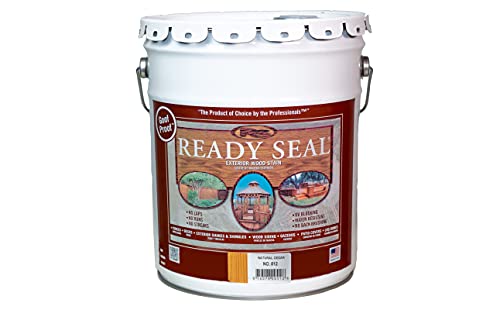
Ready Seal 512 is designed for exterior wood without primer. It is darkest when first applied and reaches its true color in about 14 days. It should not be applied over painted or newly stained surfaces, and sealed surfaces may inhibit penetration. The product is versatile, suitable for spraying, rolling, or brushing, and it requires no back brushing, reducing the risk of runs or streaks.
- Requires no primer
- Darkest color upon initial application; true color in ~14 days
- Do not apply over painted or newly stained surfaces
- Can be applied with spray, roller, or brush
- No back brushing; minimizes runs, laps, or streaks
SaverSystems Deck Fence Stain in Dark Walnut
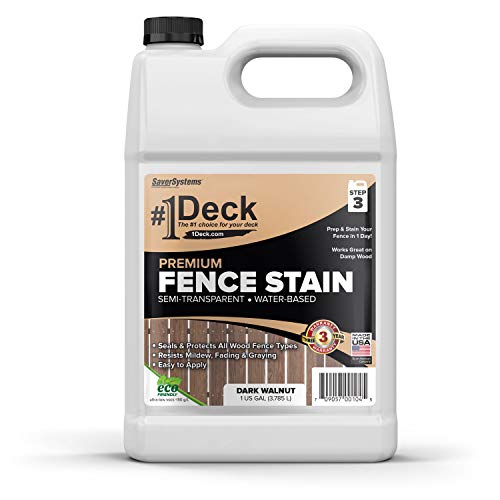
This product combines stain and sealer in one, providing color while protecting wood from water penetration. It is designed to prevent color fade and graying, suitable for pressure-treated pine, cedar, fir, redwood, and most softwoods. Hardwoods may require more frequent maintenance coats. The semi-transparent finish helps the wood grain show through for a natural look.
- Deck stain & sealer in one
- Protects against color fading and graying
- Suitable for most exterior softwoods; hardwoods may need more coats
- Semi-transparent finish enhances natural grain
Thompson’s WaterSeal Clear Multi-Surface Stain
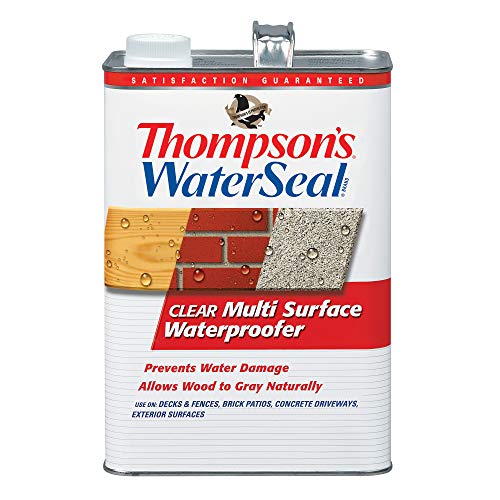
Thompson’s WaterSeal Multi-Surface Stain provides a clear finish that waterproofs concrete, brick, exterior wood, and other surfaces. It is a clear stain that hides the grain while keeping texture visible and offers fade-resistant protection against UV damage. This makes it a good choice when a low-visibility coating is desired that still provides weatherproofing.
- Clear stain and sealer
- Waterproofs exterior surfaces including wood
- Fade-resistant finish with UV protection
- Keeps grain visible while enhancing color
SaverSystems Semi-Transparent Deck Stain Dark Walnut
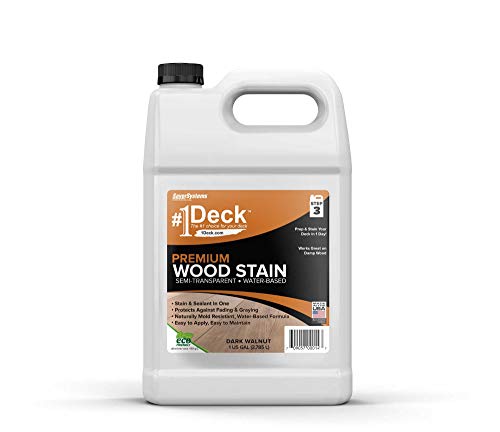
This water-based stain and sealer penetrates deeply to provide lasting color while preserving the wood’s natural grain. It offers low environmental impact with VOC content below typical thresholds and protects against UV exposure, extending the life of decks, fences, and siding. The product is designed to be easy to apply and durable in outdoor conditions.
- Water-based with low VOC
- Stain and sealer in one
- Penetrates deeply for longevity
- Enhances wood grain with semi-transparent color
Buying Guide
Finish Type matters: transparent finishes highlight grain with minimal color, semi-transparent finishes add color while still showing wood texture, and solid finishes offer more color and better hiding power but obscure grain. For fences, semi-transparent finishes typically balance aesthetics with weather resistance.
Application and Prep
Before applying any stain, clean the wood and remove old coatings. Allow the surface to dry completely. Consider whether you will spray, roll, or brush; some products are easier to apply with a roller, while others blend best with a brush. No back brushing is a key feature for some formulas, reducing runs and streaks. Always follow manufacturer instructions for drying times between coats and reapplication.
Base Type And Odor
Oil-based formulas often penetrate deeply and offer strong durability but can have stronger odors and longer cleanup. Water-based stains are easier to clean up and typically have lower odor and VOCs, making them more suitable for residential settings in many communities.
UV Protection And Weather Resistance
Look for UV-blocking polymers and waterproofing components. UV resistance helps prevent fading and graying, while waterproofing reduces water intrusion that can cause wood swelling, cracking, and warp. Some products are designed specifically to protect against moisture, while others emphasize color retention.
Color And Surface Compatibility
Choose a color that complements your home and landscape. Cedar, walnut, and leatherwood tones pair well with many fence styles. Verify compatibility with your fence material (pressure-treated pine, cedar, fir, redwood, or hardwoods) and consider whether the wood’s texture should remain visible.
Maintenance And Longevity
Maintenance needs vary by climate, exposure, and product type. Semi-transparent finishes typically require more frequent maintenance than clear sealers. Plan for re-coating intervals that fit your climate and sun exposure. Compare coverage rates and cost per square foot to estimate long-term value.
These five options offer a mix of colors and finishes to suit common fence materials and climates in the United States. When selecting a product, balance aesthetic goals with maintenance expectations and environmental considerations, such as VOC content and cleanup requirements. Always test a small area first to ensure color and penetration meet your expectations before committing to the entire fence.