Best Spray Gun for Acrylic Paint: Top HVLP Picks for Home Projects
Choosing the right spray gun for acrylic paint can dramatically improve finish quality and reduce overspray. The following HVLP models are among the most versatile for furniture, cabinets, walls, fences, and DIY home projects. Each option offers multiple nozzle sizes or spray patterns, easy cleaning, and options to adjust paint flow. This guide draws on popular consumer picks to help you compare performance, ease of use, and maintenance across five reliable tools.
| Product | Brand | Key Benefits |
|---|---|---|
| VONFORN VF803 HVLP Paint Sprayer | VONFORN | 4 nozzles, 3 patterns, blowing/cleaning joints |
| WIBENTL HVLP Paint Sprayer | WIBENTL | 3 spray patterns, 4 brass nozzles, cleaning function |
| Tilswall Shark 800W Sprayer | TILSWALL | 4 nozzles, 3 spray modes, side feed |
| Hotorda HVLP Two-Sprayer Set | Hotorda | 2 guns, 0.8mm & 1.4mm, gravity feed |
| FANBDEDGE 650W Cordless Sprayer | FANBDEDGE | Dual-battery cordless, 6 copper nozzles, 3 modes |
Below are in-depth overviews of each model, focusing on acrylic paint suitability, setup ease, maintenance, and how they suit different project scales—from small furniture refinishing to larger wall coatings.
VONFORN VF803 HVLP Paint Sprayer

The VF803 model from VONFORN provides a versatile 700W motor and four nozzle sizes (1.0mm, 1.5mm, 2.0mm, 3.0mm) to accommodate both broad coverage and fine detailing on acrylic projects. Its three spray patterns—horizontal, vertical, and circular—support furniture, cabinets, walls, doors, and decorative garden pieces. An integrated blowing function helps prepare surfaces by removing dust, while a cleaning connector simplifies post-use rinsing. The kit includes tools for nozzle cleaning and maintenance, which is important for acrylics to prevent clogging after long sessions.
Pros: Flexible nozzle set and spray patterns; built-in cleaning features; relatively straightforward assembly. Cons: Requires careful cleaning to preserve nozzle life; may produce more overspray on very fine finishes if used at higher flow settings.
WIBENTL HVLP Paint Sprayer
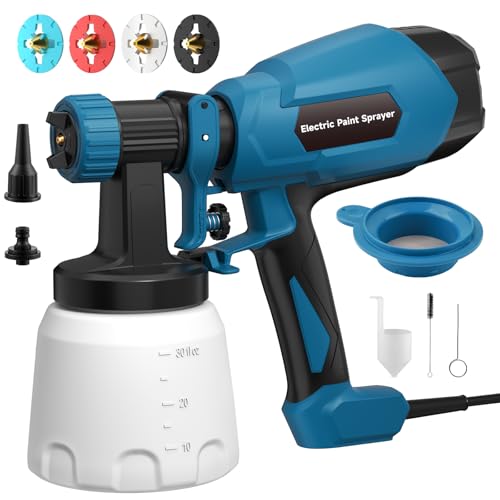
WIBENTL offers 3 spray patterns (horizontal, vertical, circular) and four brass nozzles (1.0mm, 1.5mm, 2.0mm, 3.0mm) for acrylics across larger areas or detailed work. The unit emphasizes tool-free setup and includes a cleaning kit and unclogging needle to maintain smooth operation during frequent use. A dial for variable flow control helps to tailor the amount of paint released, reducing waste and improving edge control on furniture, fences, and wall projects.
Pros: Solid flow control; easy cleanup with dedicated tools; good balance of patterns and nozzles. Cons: Some users report that consistent spray quality benefits from thorough surface prep and properly thinned acrylics.
Tilswall Shark 800W Sprayer

The Tilswall Shark configuration uses an 800W motor with a side-feed design to minimize interruptions when painting large panels. It includes four nozzles (1.0mm, 1.5mm, 2.0mm, 3.0mm) and three spray modes: horizontal oval, vertical oval, and round. The extended hose (approx. 2.5m) and power cord (approx. 3m) expand movement range for bigger furniture projects, cabinets, fences, and walls. This model is particularly suitable where side loading saves time or where spray angles are critical for uniform coverage.
Pros: Side-feed reduces interruptions; flexible hose and cord length improve reach. Cons: Weight and balance can be challenging for beginners; cleanup remains essential to preserve nozzle integrity with acrylics.
Hotorda HVLP Air Gravity Set
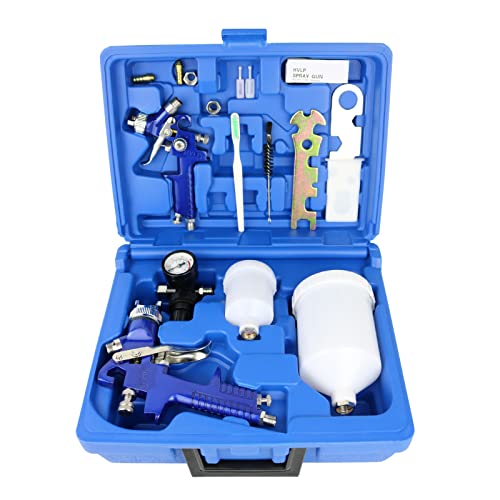
The Hotorda two-sprayer kit focuses on gravity-fed operation with 0.8mm and 1.4mm nozzles, making it suitable for fine acrylic finishes on furniture or cabinet details. Included accessories cover basic cleaning and flushing to prevent clogs. The 125ml and 600ml cups help manage varying project scales, while the gravity-feed design is typically more efficient with less wasted material. This set is ideal for users who value precision on detailed surfaces and manageable cleanup steps.
Pros: Compact, easy to switch between small-detail tasks; gravity feed provides good control. Cons: Fewer nozzle sizes may limit ultra-wide coverage; some acrylics may require thinning for optimal atomization.
FANBDEDGE Cordless Paint Sprayer
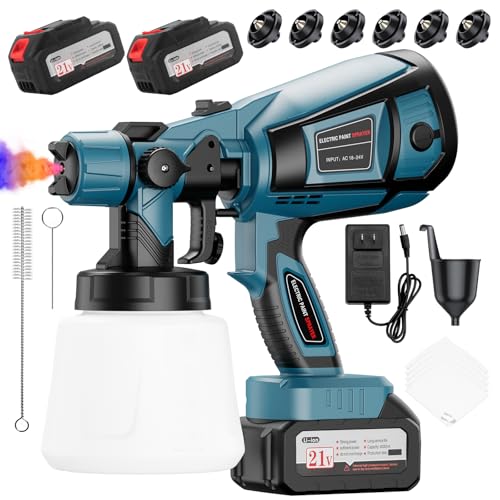
This cordless spray gun from FANBDEDGE runs on dual 4000mAh batteries, delivering approximately 15 minutes of continuous operation per charge. It features six copper nozzles, covering 0.5mm to 2.5mm, and three spray modes to handle various acrylic tasks—from fast coverage on larger panels to fine detail on trim. The dual-battery design helps users work away from outlets, increasing portability for fence staining or furniture restoration in different rooms or outdoor spaces.
Pros: Cordless freedom and solid motor performance; multiple nozzle options for diverse textures. Cons: Battery life limits continuous work; charging time may affect long sessions, and NO prices were listed here to be consistent with the product description.
Buying Guide: Key Considerations For Choosing An Acrylic Paint Spray Gun
- Spray patterns and nozzle options: Look for models offering multiple spray patterns (horizontal, vertical, circular) and a range of nozzle sizes to handle both broad and detailed work on acrylics.
- Flow control and consistency: A precise flow regulator helps minimize overspray and ensures even coverage on different substrates, from smooth furniture to textured fences.
- Feeding method: Gravity-fed cups tend to deliver finer atomization and less thinning requirement, while side-feed designs can reduce interruptions for larger surfaces.
- Cleaning and maintenance: Acrylic paints can harden quickly in nozzles. Choose sprayers with built-in cleaning options, removable nozzles, and included brushes or needles for maintenance.
- Power and portability: Corded models provide consistent power; cordless units increase mobility for outdoor or hard-to-reach areas, but watch battery life for longer projects.
- Surface compatibility: Confirm the sprayer is suitable for your acrylic paint’s viscosity, and check recommended thinning ratios if needed to achieve optimal atomization.
- Project scale: For small furniture or cabinet touch-ups, a compact or gravity-fed device is usually sufficient. For walls or larger fences, consider models with longer hoses and higher flow control for faster coverage.
- Maintenance accessories: A kit with cleaning brushes, needles, and replacement seals helps sustain performance and extend tool life when using acrylics frequently.
When selecting, align the tool’s features with your typical project size, preferred work area, and whether you value cordless operation or a robust, stationary setup. The right spray gun can deliver smoother finishes, reduce waste, and make acrylic projects more efficient with consistent atomization.