Best Splice Plates for Wood: Durable Steel Connectors for Strong Joints
Splice plates, or tie plates, are essential when reinforcing wood beams, repairing structural joints, or creating durable connections in framing and furniture projects. The right plate improves stability, reduces splitting, and distributes load across multiple fasteners. This guide reviews several top-rated splice plates designed for wood, highlighting materials, thickness, hole configurations, and coating to help you choose the right option for your project.
| Product | Brand | Size / Thickness | Coating / Material |
|---|---|---|---|
| eoere 2 PCS 12″ x 4″ Splice Plates | eoere | 12″ x 4″ (5 mm) | Carbon steel, black powder coated |
| GBGS Flat Tie Plate 8-1/8″ x 3″ | GBGS | 8⅛” x 3″ (2 mm) | Hot-dip Al-Zn coating |
| GBGS 20 Pcs Flat Tie Plates 3″ x 1-5/8″ | GBGS | 3″ x 1-5/8″ (1.5 mm) | Hot-dip Al-Zn |
| heneng 9 Pcs 1-5/8″ Splice Plates | heneng | 5/8″ hole; 1-5/8″ width | Electro-galvanized steel |
| OHLECTRIC 5 Pack 4-Hole Joist Plates | OHLECTRIC | 1-5/8″ x 1/4″ | Premium zinc electroplated steel |
eoere 12″ x 4″ Heavy Duty Splice Plates

The eoere splice plates are designed for high-load wood connections. Made from carbon steel with a black powder-coated finish, these 12″ x 4″ plates offer substantial surface area for distributing fasteners. Thickness is 3/16″ (5 mm), and their 6 gauge steel provides robust stiffness for repairs and new builds alike. Holes accommodate 5/16″ screws, 3/8″ bolts, or 1/2″ bolts, enabling flexible anchoring to match project requirements. Applications include repairing beams, joining long lumber runs, and reinforcing joints where wood fibers are stressed.
GBGS Flat Tie Plate 8-1/8″ x 3″ (6 Pack)

GBGS provides a six-pack of flat tie plates sized at 8⅛” by 3″ with a 2 mm thickness. The surface is hot-dip Al-Zn coated for corrosion resistance, making them suitable for exterior structural repairs or outdoor projects. The staggered pattern of the 40 nail holes strengthens joints against shear forces and helps prevent wood splitting. Ideal for beam splices, header connections, and retrofit work in wooden framing where robust reinforcement is required.
GBGS 20 Pcs 3″ x 1-5/8″ Tie Plates

This GBGS set includes 20 flat mending plates, each 3″ by 1-5/8″ with 1.5 mm thickness. The hot-dip Al-Zn coating offers extended durability in varying climates, while eight nail holes per plate provide flexibility in fastener placement. The compact size makes them suitable for smaller beam repairs or furniture joinery where a discrete yet strong connection is needed. The staggered hole pattern reinforces the connection and reduces the risk of tear-out.
heneng 9 Pcs 1-5/8″ Splice Plates

These 9-piece plates from heneng are designed for 1-5/8″ strut channel usage with a 1/4″ plate thickness. Electro-galvanized finish provides corrosion resistance, while the dimensions (length around 5-3/8″ and width 1-5/8″) accommodate mid-span connections and longer support joints. The feature set targets professional framing and structural retrofits, offering reliable distribution of loads across multiple fasteners and reducing wood stress around holes.
MOZCORN 10 Pcs Truss Plates 4×6
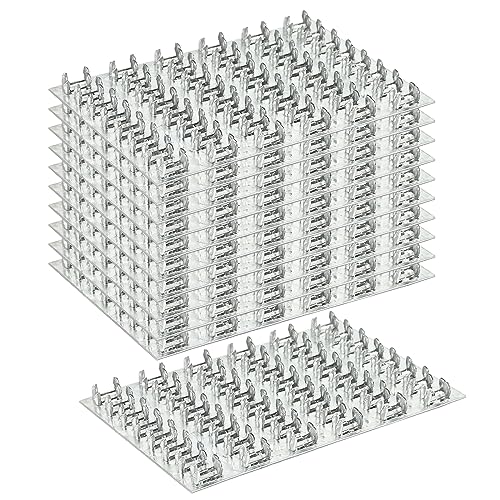
The MOZCORN set includes ten 4×6″ truss plates with pronged nail teeth. The hot-dip galvanized finish provides corrosion resistance for outdoor or exposed framing projects. These plates are crafted to reinforce wood trusses, floor joins, and wall frames in prefabricated structures, offering a ready alternative to traditional nails or bolts when assembling or repairing structural members. The staggered nail pattern aids in resisting shear and uplift forces while minimizing split risk.
heneng 2 Hole Splice Plate for 1-5/8″ Channel

This heneng plate is sized for 1-5/8″ strut channels and offers a compact 3-1/4″ x 1-5/8″ footprint with 7/32″ thickness. The two-hole design is ideal for mid-size joins where space constraints exist but a strong anchor is still required. The electro-galvanized finish enhances durability in moisture-prone environments, making it suitable for both indoor framing and some exterior applications where humidity is a consideration.
heneng 9 Pcs 5 Hole Splice Plates
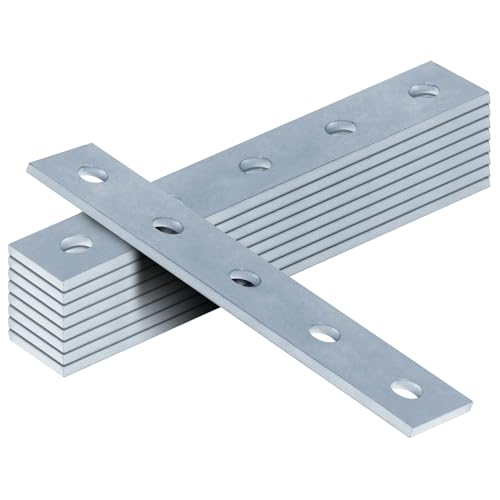
This batch from heneng provides 9 pieces of 5-hole plates for 1-5/8″ channels with a 3/16″ thick profile. The combination of width (1-5/8″) and hole layout supports versatile fastening patterns, while the electro-galvanized finish contributes to long-term corrosion resistance. Suitable for structural splices in wood framing, roof supports, or furniture that demands reinforced joints with multiple fasteners.
OHLECTRIC 5 Pack 4-Hole Joist Plates

OHLECTRIC offers a premium zinc electroplated steel 1-5/8″ wide, 1/4″ thick joist plates with four 9/16″ holes. The zinc coating provides corrosion resistance and long-term durability for wood framing, structural repairs, and furniture projects exposed to moisture. The four-hole pattern helps distribute loads effectively across fasteners, reducing localized wood stress and improving joint performance in mid-sized splices.
Buying Guide: Key Purchase Considerations
- Material and finish: Choose carbon steel with corrosion-resistant coatings (hot-dip Al-Zn, zinc electroplating) for durability in exposed environments, and consider electro-galvanized finishes for a balance of cost and longevity.
- Size and thickness: Larger plates (e.g., 12″ x 4″) provide more bearing surface, while thickness (ranging from 1/4″ to 3/16″) affects strength and the ability to resist bending under load. Match thickness to your fastener sizing and load expectations.
- Hole pattern and diameter: Ensure the plate offers compatible hole diameters for your screws or bolts (commonly 1/2″ bolts, 3/8″ bolts, or 5/16″ screws). Staggered patterns help distribute stress and resist splitting.
- Number of holes: More holes increase fastening options but may weaken wood around individual holes if not spaced properly. Plan for a pattern that maximizes load distribution without compromising wood.
- Intended environment: For outdoor or humid spaces, prioritize plates with robust coatings to prevent rust and corrosion over time.
- Application scope: Use larger plates for heavy-duty beam splices and structural components, and smaller plates for furniture or lighter framing repairs where discreet hardware is preferred.
- Installation considerations: Verify compatibility with existing structural members and ensure you have the correct fasteners (bolts vs. screws) and installation tools for a secure connection.
In choosing a splice plate, consider the specific load paths, beam dimensions, and the potential for wood fatigue around fastening points. Using the right plate improves joint rigidity and longevity, whether you’re reinforcing a garage beam, repairing a wooden door frame, or assembling modular furniture. Always follow manufacturer guidelines for installation and load ratings to ensure safety and performance.