Best Solder for Brass: Top Brass Joining Solutions for Pipes and Jewelry
Brass soldering spans plumbing, HVAC repairs, and metalworking projects. The right solder choice depends on joint type, temperature range, and whether you need quick, no-flame bonding or stronger, silver-bearing joints. This guide highlights five top brass-friendly solders, including no-heat bonds for pipes, precision jewelry solders, and easy-to-use self-fluxing wires. Each option is designed to deliver reliable joints on brass, brass-to-brass connections, and mixed-metal assemblies. Read on to compare performance, working temperatures, and suitable applications to help you choose the best brass solder for your project.
| Product | Brand | Typical Brass Use |
|---|---|---|
| ComStar Copper Lock | ComStar | HVAC pipes, brass fittings, leak-proof seals |
| KappZapp4S Solid Silver Solder | Kapp Alloy | Brass, copper, stainless steel joints |
| Waymil Copper Solder Paste Soft | Waymil | Brass cabinetry, electronics repair, jewelry prep |
| Craft Wire High-Copper Solder Wire | CRAFT WIRE | Copper and brass wire joints, self-fluxing |
| BlueFire Jagp-45 Silver Brazing Coil | BlueFire | Brass, copper, steel brazing and joining |
ComStar Copper Lock: Quick Brass Bond
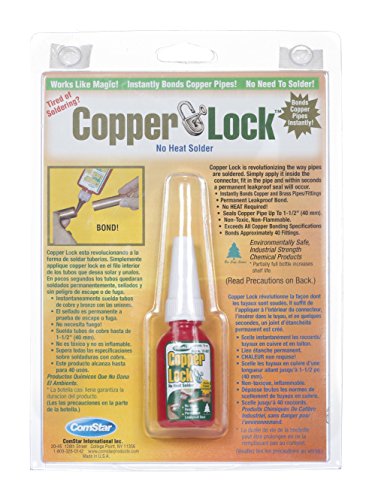
ComStar’s Copper Lock provides an instant bond and seal for copper and brass pipes, delivering a leak-proof connection in under 60 seconds. This no-flame pipe adhesive is designed for emergency repairs and routine HVAC maintenance, making it a handy tool for field technicians and DIYers alike. The product is engineered for high-pressure performance, tolerating up to 10,000 PSI flow pressure and 500 PSI contained pressure without compromising the bond. The adhesive is universals-ready for copper, brass, and yellow metals, and it’s compatible with all refrigerants and liquids in various plumbing and A/C systems.
Practically, the glue-based solution eliminates flame hazards associated with traditional soldering, which can be advantageous in confined spaces or on delicate piping. It also supports a broad temperature range, sustaining performance from -60°F to 300°F. To use, ensure surfaces are clean and dry, apply the bonding solution evenly, and hold the joint until the bond sets. While it excels in rapid repairs and service calls, it may not be suitable for high-vibration joints or long-term structural piping where metal-to-metal solder joints are preferred. For brass piping where a quick, flame-free seal is desired, ComStar Copper Lock is a versatile option.
KappZapp4S Solid Silver Solder For Brass

KappZapp4S is a solid 4% silver solder designed for copper, brass, and stainless steel. Its high-strength alloy is NSF certified, offering reliability for precision hand soldering tasks where brass joints require strong, durable bonds. The solder features a “slushy range” of 430–475°F (221–246°C), which allows users to manipulate components during cooling for precise joint formation. This makes it well-suited for brass and copper assemblies that demand a strong, clean finish without excessive heat exposure. The NSF certification adds assurance for consumer and professional settings where regulatory compliance matters.
For brass applications, the 4% silver content contributes to excellent joint strength and ductility, reducing the risk of brittle fractures in cooled joints. The relatively narrow molten range helps control the heat input, which is especially important when working with thin walls or delicate brass fittings. As with any silver-bearing solder, good surface preparation is essential: remove oxidation, ensure a clean wetted surface, and apply compatible flux or environment to promote capillary action. While heavier joints may benefit from slightly thicker alloys, KappZapp4S provides a reliable option for brass piping and jewelry projects requiring durable metallurgical bonds.
Waymil Copper Solder Paste Soft For Brass

Waymil’s Copper Solder Paste Soft is a versatile paste designed for soft soldering on tin, copper, brass, and bronze. It’s well-suited for mixed-metal projects, including delicate jewelry repairs and electronics-related tasks that involve brass components. The paste’s light brassy color helps it blend with brass surfaces, producing visually appealing joints. The product is convenient for electronic repairs and jewelry work where precise, controlled application is important, and it can be a practical option when you need a paste-format solution that flows well into tight gaps.
For brass applications, it’s important to consider the working temperature and the compatibility with other metals being joined. Paste-type solders generally offer easier control and cleaner joints on brass when proper surface prep and flux use are employed. While not a heavy-duty piping solution, this Waymil paste is a good fit for small brass assemblies, decorative metalwork, or electronics enclosures that incorporate brass elements. Proper ventilation and safety measures should be observed when handling solder pastes, and users should follow the included tips for best results.
Craft Wire High-Copper Solder Wire For Copper & Brass

CRAFT WIRE offers a five-foot length of high-copper solder wire that is self-fluxing and designed for copper applications with 18 gauge thickness. The solidus temperature is 1,310°F (710°C) and the liquidus temperature is 1,460°F (793°C). This solder wire is positioned for copper and brass-related tasks where reliable flow and a clean finish are important. The self-fluxing property simplifies the workflow by reducing the need for separate flux, though appropriate flux may still improve joint quality for brass joints, especially in longer runs or thicker sections.
When soldering brass, it’s essential to manage heat input to prevent warping or annealing of the material. The high-copper content provides good conductivity and strong joints, but practitioners should monitor temperature and surface cleanliness. This solder wire is particularly suitable for copper-to-brass transitions and decorative or hardware-level brass components where quick, efficient joints are desirable. For more complex assemblies, combining this wire with appropriate flux and surface preparation can help achieve dependable results across brass and copper surfaces.
BlueFire Jagp-45 Silver Low-Temp Solder Brazing For Brass

BlueFire JAGP-45 is a safety brazing alloy coil containing 45% silver, designed for low-temperature brazing applications. The alloy has an intermediate solidus around 1225°F (663°C) and a liquidus near 1370°F (743°C), with a brazing range of 1370°F–1550°F (740°C–845°C). It’s a fluxless, general-purpose brazing option that works well for brass, copper, steel, and various non-ferrous alloys. The coil format makes it convenient for hobbyists and professionals who need consistent silver content and dependable capillary action to fill gaps in brass joints.
The absence of flux simplifies the brazing workflow, but surface prep remains crucial. Brass joints benefit from clean surfaces, proper alignment, and a steady heat source to avoid overheating or burn-through. While brazing differs from soldering in temperature and joint design, this BlueFire alloy offers a viable path to robust brass joints where flux-free bonding and strong silver-rich bonds are desired. For decorative hardware, plumbing fittings, or repair work on brass components that require higher durability, this coil can be a suitable choice.
Buying Guide: What To Consider When Choosing Brass Solders
Selecting the right brass solder depends on the application, joint type, and working environment. Here are key purchase considerations to help you compare options and choose the best fit for your project.
- Application type: Plumbing and HVAC piping often benefit from leak-proof, quick-bond solutions or robust metal-to-metal joints. Jewelry and electronics work typically require precise, clean joints with controlled heat and flux behavior. Consider whether you need a no-flame adhesive, a paste, a wire, or a silver brazing alloy.
- Metal compatibility: Brass, copper, and mixed-metal joints can require different alloys. Silver-bearing solders (like 4% silver) provide stronger joints and better ductility for brass, while gold-finish solders are more specific to jewelry and jewelry-grade applications.
- Temperature and flow range: Lower-temperature brazing or soldering options help protect delicate Brass components, while higher-temperature solutions may provide stronger joints for structural hardware. Pay attention to solidus and liquidus temperatures and working temperature ranges (e.g., 430–475°F for some silver solders) to avoid overheating.
- Flux and fluxless options: Flux aids wetting and flow by removing oxides. Self-fluxing wires simplify the process, but in brass work, surface prep remains essential for best results. Fluxless brazing alloys are convenient but require clean surfaces and precise heat control.
- Joint design and fit: For pipework, ensure joint geometry suits the chosen solder or brazing alloy. Paste solders can fill irregular gaps, while wires and brazing rods are better for continuous joints or fittings with consistent gaps.
- Safety and compliance: Some solders contain materials like cadmium or silver; check local regulations and safety guidelines. NSF-certified solders indicate meeting industry standards for reliability in certain applications.
- Ease of use and skill level: Beginners may prefer self-fluxing wires or paste formulations with straightforward application. More experienced users may opt for silver-bearing solders or brazing alloys that require precise heat control and flux management.
- Appearance and color matching: For jewelry or decorative brass work, color-matched solders (e.g., gold-tone or brassy hues) can minimize post-work visual differences. Paste solders often offer color guidance for near-invisible joins.
In summary, the best brass solder depends on whether you prioritize speed and safety for piping, or strength and precision for metalwork and jewelry. For quick, flame-free repairs, a no-heat adhesive like ComStar Copper Lock can be invaluable. For durable, high-precision joints on brass fittings, a solid silver solder such as KappZapp4S delivers strong, ductile bonds. For electronics-friendly or mixed-metal projects, paste solders like Waymil’s copper paste provide workable options, while high-copper wire and fluxless brazing alloys offer options for copper-to-brass or brass-to-brass assemblies in more demanding applications. Always prep surfaces and follow application guidelines for best results.