Best Smart Thermostats That Don’t Require a C-Wire
Finding a smart thermostat that works without a dedicated C-wire can simplify upgrades for older homes. The models below were chosen for their ability to operate without a C-wire, via adapters or power‑stealing designs, while delivering reliable scheduling, remote access, and energy savings. The list focuses on five well‑supported options that fit common HVAC configurations in American houses, with straightforward installation and solid privacy protections. Each product section includes notable C-wire compatibility details, so you can pick a model that fits your system and budget.
| Product | Brand | No C-Wire Needed | Key Advantage |
|---|---|---|---|
| Sensi Lite Smart Thermostat | Emerson | Yes for most systems | DIY install; ENERGY STAR; data privacy |
| LEVOIT Aura 400S | LEVOIT | Adapter included | Large touchscreen; multiple room sensing |
| EdgeAnt Smart Thermostat | EdgeAnt | Adapter included | Wide HVAC compatibility; remote control |
| Nest Thermostat | Yes in most homes | Compatibility checker; energy‑saving intelligence | |
| Cielo Smart Thermostat Eco | Cielo Breez | Adapter included | ENERGY STAR; mini‑split NOT supported |
Sensi Lite Smart Thermostat

Emerson’s Sensi Lite emphasizes simple setup and privacy‑aware operation. It features a built‑in level and straightforward step‑by‑step instructions to speed DIY installation. The thermostat connects to your network for remote access, flexible scheduling, and usage reporting, all while prioritizing data privacy with policies designed to minimize data sharing. ENERGY STAR certification underscores efficiency and potential savings over time. In typical residential configurations, a C-wire is not required, making it an accessible upgrade for many standard heating and cooling systems.
While C‑wire is unnecessary in most setups, compatibility notes indicate C-wire is still needed for heat pumps and heat/cool only configurations. Homeowners should verify their equipment before installing. The Sensi Lite supports remote control via an app and geofencing, enabling comfortable temperatures when you’re home and cooling costs when you’re away. This combination of ease of installation, energy features, and privacy focus makes it a practical option for many households seeking a no‑C‑wire solution.
LEVOIT Aura 400S Smart Thermostat

The LEVOIT Aura 400S blends a large, easy‑to‑read color touchscreen with robust energy‑saving features. It supports customizable routines that reduce heating and cooling when you’re away and offers 24/7 scheduling to automate comfort. A standout is the ability to connect up to 16 Levoit sensors (sold separately) to monitor multiple rooms and tailor temperatures across spaces. The operating range covers typical home environments (32°–122°F / 0°–50°C) with humidity handling from 5–95% non‑condensing, making it versatile for varied climates. A C‑wire adapter is included to accommodate homes lacking a dedicated conductor.
Installation is designed to be DIY friendly, with straightforward wiring and setup. In addition, Aura 400S provides remote access via its app and supports voice control when paired with Alexa. The device emphasizes energy reporting and ongoing software updates to maximize efficiency over time. A large touchscreen and local control simplify daily adjustments, while the included C‑wire adapter ensures accessibility for homes without a C-wire, aligning with the no‑C‑wire focus of this guide.
EdgeAnt Smart Thermostat With C-Wire Adapter

EdgeAnt positions itself as a highly compatible option for a wide range of HVAC setups. The thermostat is designed to work with 90% of systems, including conventional (2H/2C) and heat pumps (4H/2C). It ships with a C‑wire adapter, enabling installation even when a dedicated conductor is not present. The product pages emphasize Tuya/Smart Life support for remote control, providing a familiar app ecosystem for monitoring and adjusting home temperatures from anywhere. EdgeAnt also communicates important compatibility caveats, such as exclusions for 2‑wire heat‑only, line voltage, millivolt, and other non‑standard configurations.
With broad compatibility and a no‑hassle adapter, EdgeAnt aims to minimize installation friction and maximize energy savings through programmable schedules and remote access. The inclusion of a C‑wire adapter reduces common “no power” issues, helping ensure reliable operation in homes that lack a spare conductor. For buyers prioritizing a flexible, widely compatible no‑C‑wire option, EdgeAnt offers a practical balance of ease, control, and coverage across many typical residential systems.
Nest Thermostat
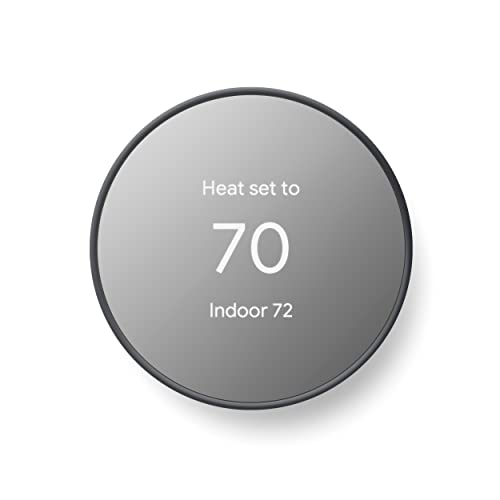
Google’s Nest Thermostat emphasizes adaptive learning and broad compatibility. It is designed to work without a dedicated C wire in most homes, and Google provides a compatibility checker to confirm your system before purchase. The Nest learns your routines over time and uses occupancy and presence detection to optimize heating and cooling, helping reduce energy waste. It integrates smoothly with Google Assistant and a range of third‑party smart home devices, supporting remote control via the Nest app and a familiar voice experience. In some systems, a C‑wire or compatible power accessory may still be required, so verification is advised.
The Nest thermostat also highlights energy‑saving behavior by turning itself down when no one is home, contributing to ongoing cost reductions. While it’s designed to operate without a C‑wire, certain configurations—such as specific heating or cooling setups and multi‑stage systems—may necessitate a power accessory or a C‑wire. Its compatibility checker and smart learning features make it a compelling option for households seeking a hands‑free path to comfort and efficiency.
Cielo Smart Thermostat Eco

The Cielo Breez Eco is ENERGY STAR certified and built to work with most 24V HVAC configurations, including conventional systems and heat pumps. It ships with a free C‑wire adapter in the box, enabling installation in homes that lack a dedicated conductor. The thermostat supports 2H/2C and 4H/2C setups and is designed for DIY installation, offering a straightforward path to smarter climate control. A key caveat is that it is not compatible with mini‑split systems, so readers should verify their setup before purchasing.
Power wiring conventions (R, Rc, Rh, C) are supported, and the included C‑wire adapter helps ensure consistent operation without voltage drop or winking lights. The Eco model provides energy‑saving features through scheduling and remote control, reinforcing a no‑C‑wire approach suitable for many traditional homes. For buyers who want a budget‑friendly, adapter‑inclusive option with ENERGY STAR efficiency, Cielo Breez Eco presents a solid combination of practicality and performance.
Buying Guide
Choosing a smart thermostat that can operate without a C-wire depends on your HVAC configuration, existing wiring, and how you want to interact with your system. Start by confirming your system type: conventional 24V (2H/2C), heat pump (4H/2C), or more complex setups. If you don’t have a C-wire, prioritize models that explicitly offer a C‑wire adapter or that advertise no C-wire required for typical installations. Check for a compatibility checker or online tool from the manufacturer to avoid buying a device that won’t work with your equipment.
Energy savings features should be a major consideration. Look for flexible scheduling, geofencing, occupancy detection, and energy usage reports. ENERGY STAR certification is a strong signal of efficiency, but real savings come from features that align with your routine—whether you’re home most days or traveling frequently. Also evaluate the user interface and ecosystem: do you prefer a touchscreen, voice control, or integration with Alexa, Google Assistant, Ring, or other smart home platforms?
Installation practicality matters as well. DIY‑friendly thermostats often advertise built‑in levels, simple terminals, and step‑by‑step guides. If you’re wiring without a C-wire, ensure the device provides an adapter and clear instructions. Privacy and data handling should not be overlooked; some brands emphasize data protections and limit information sharing, which can be meaningful for households concerned about data privacy. Finally, consider the long‑term value: firmware updates, app stability, and customer support can influence performance and satisfaction well beyond the initial setup.