Best Shepherd Crooks for Sheep: Top Crooks for Safe Handling
For shepherding tasks, a quality crook can help guide, catch, and manage sheep and goats with minimal stress to the animals. This guide highlights five top crooks and walking staffs designed for handling flocks, training new caretakers, and everyday barn use. Each option prioritizes durability, ergonomic design, and safe handling. Read on to compare features, materials, and intended uses to pick the right tool for your operation.
| Product | Material / Length | Main Benefit | Image |
|---|---|---|---|
| Premier 1 KiwiCrook™ – 53″ Leg and Neck Sheep Crook | Fiberglass shaft, 53″ long | Self-locking lever secures leg for safe catch |  |
| 54″ Sweet Chestnut Shepherd’s Crook | 55″ overall, lacquered chestnut | Decorative yet functional; sturdy and versatile |  |
| The Premier Fiberglass Neck Crook – 53″ | Fiberglass neck crook, 53″ long | Shape-holding head; durable shaft | 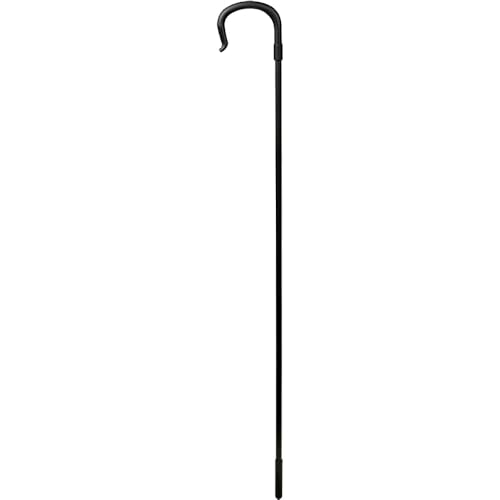 |
| Oak Shepherd Staff – 60″ | Solid oak, 60″ tall | Reliable, USA-made staff for real use and display |  |
| GINDOOR Goat Catcher Leg Hook – 59″ | 59″ length; adjustable segments | Curved mouth design for easier catching |  |
Premier 1 KiwiCrook™ – 53″ Leg and Neck Crook
The Premier 1 KiwiCrook™ combines a 53″ fiberglass shaft with a strong molded plastic head, designed for catching sheep or goats. A self-locking lever on the leg portion keeps the animal’s leg secured until released, enabling controlled handling. This crook emphasizes durability and reliability for routine flock management, veterinary checks, and transport through barn aisles. It is suitable for farms seeking a long, sturdy crook with secure leg-capture functionality.
54″ Sweet Chestnut Shepherd’s Crook
This 54″ sweet chestnut crook is lacquered for a polished finish and features a brass tip with a sculpted neck. It is favored not only for functional use in barns and yards but also as a decorative gift option for dog trials or show settings. Its balanced construction makes it suitable for day-to-day handling while offering an attractive appearance for display or gifting in rural communities.
The Premier Fiberglass Neck Crook – 53″
With a 53″ fiberglass neck crook and a tough molded plastic hook, this crook keeps its shape under use and resists impacts. The coated fiberglass shaft endures routine field handling, making it a practical choice for catching sheep around the neck as animals pass by or when gathering a group. It suits farms that prioritize a lightweight yet durable design for frequent handling tasks.
GINDOOR Goat Catcher Leg Hook
The GINDOOR leg hook assembly combines a high-hardness metal hook with a rubber-sleeved head to prevent scratches on the animal. Its curved splayed mouth design facilitates easier catching, and the hook can be disassembled for storage. Sections allow length adjustments to fit different handling scenarios, making it a flexible tool for humane capture and quick checks in the field.
Buying Guide
Key considerations when selecting a shepherd’s crook or staff include material, length, and design intent. The right tool depends on your flock size, barn layout, and the primary tasks you perform daily.
- Material: Fiberglass crooks are lightweight and impact-resistant, while wood (such as chestnut or oak) offers traditional durability and a natural feel. Plastic components can reduce weight but may be less durable in demanding use.
- Length: Longer crooks provide reach in larger pens or rows of animals but are heavier. Shorter crooks offer precision in tight spaces but may require closer proximity to animals.
- Head design: Curved hooks and neck crooks are ideal for guiding and guiding heads or necks, while leg-catching designs rely on a secure leverage to hold a limb without excessive force.
- Weight and balance: A well-balanced crook minimizes user fatigue during long tasks. Test grip comfort and the lever mechanism’s ease of release for safe handling.
- Durability vs. display: If you value aesthetics for demonstrations or gifts, decorative options (like lacquered wood) may fit your needs, though durability remains essential for daily use.
- Maintenance: Wood crooks may require occasional oiling or polishing; fiberglass and metal parts benefit from cleaning and rust prevention where applicable.
- Versatility: Some crooks pair with adjustable lengths or modular designs, offering flexibility for varied tasks, from veterinary checks to training exercises.
When choosing, consider the environment and typical tasks: routine herd movement, disease checks, or show-quality presentations. A crook with a secure locking mechanism can improve safety for both the animal and caretaker, while a sturdy neck crook or staff supports efficient handling in busy barns. For display or cosplay, lightweight, decorative options may suffice, but ensure they are still comfortable to hold and maneuver.