Best Security Window Film for Home and Office Safety
Security window films add a protective layer to glass, deterring break-ins, preserving interiors, and reducing injury risk. The right film balances clarity, strength, and ease of installation. Below are five top options that appear on many home and business projects, with key specs and benefits summarized in a quick table. They range from 4 mil to 8 mil thickness and are designed for interior application. Most offer high UV rejection to protect furnishings, while several emphasize impact resistance as a primary safety feature. Note that none are intended for heat control.
| Product | Brand | Thickness | Size | Key Benefit |
|---|---|---|---|---|
| BDF S4MC Window Film | BDF | 4 Mil | 24in x 13ft | Interior security with ANSI Z97.1 Class B / CPSC 1; 99% UV rejection; reduces fading |
| BDF S8MC Window Film | BDF | 8 Mil | 36in x 12ft | Higher thickness for enhanced impact resistance; same UV protection |
| KASHIBANG 4Mil | KASHIBANG | 4 Mil | Various | Clear, low radiation; easy installation; holds shattered glass together |
| NIDOJP 8 Mil | NIDOJP | 8 Mil | Various | Crime protection and shatter resistance; scratch and vandalism resistance |
| DUOFIRE 4 Mil | DUOFIRE | 4 Mil | Various | Shatter resistance; wide range of commercial and residential applications |
BDF S4MC Window Film 4 Mil Security

The BDF S4MC film is designed for interior installation and provides a robust layer aimed at reducing property damage. With a 4 mil thickness, it absorbs impacts from attempted break-ins and keeps glass fragments together, which minimizes injury risk. The film passes ANSI Z97.1 Class B and CPSC Category 1 testing, making it suitable for homes and offices seeking verifiable safety standards. It is crystal clear and offers 99% UV rejection to protect furnishings from fading while preserving natural light. It is not intended for heat control, so glare management should be considered separately.
- 4 mil clear film for interior applications
- ANSI Z97.1 Class B / CPSC 1 compliant
- 99% UV rejection to protect interiors
- Hold shattered glass together; not a heat-control solution
BDF S8MC Window Film 8 Mil
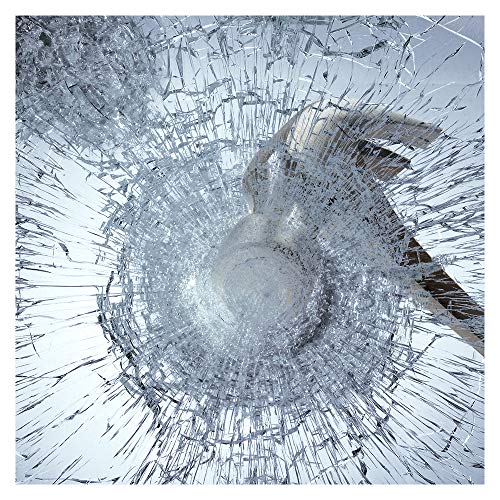
The S8MC film increases security with a thicker 8 mil layer, applied to the interior side of the window. It shares the same protective features as its 4 mil counterpart, including ANSI Z97.1 Class B and CPSC CATEGORY 1 testing and 99% UV rejection. The thicker formulation offers enhanced resistance to break-ins and impacts, while continuing to help minimize sun fading on interior furnishings. Like other security-focused films, it is not intended to alter room temperature or heat control. Visual clarity remains high for unobstructed exterior views.
- 8 mil thickness for stronger impact resistance
- Interior installation; ANSI Z97.1 and CPSC 1 compliant
- 99% UV rejection to protect furnishings
- Not designed for heat control
KASHIBANG 4Mil Clear Security Film

KASHIBANG’s 4 mil security film emphasizes a balance of visibility and protection. It is a clear, low-radiation option that reduces solar exposure and interior fading while strengthening glass against impact. The film is designed for straightforward installation, using a high-viscosity pressure-sensitive adhesive and includes complete installation tools. It holds glass together during breakage and offers a practical solution for homes or small offices seeking quick deployment without compromising daylight. The product notes also advise proper surface preparation and ample soapy water to prevent air bubbles during application.
- 4 mil thickness with clear visibility
- High-viscosity adhesive; easy installation with tools provided
- Immediately protective against impact and break-ins
- Includes installation aids and guidelines
NIDOJP 8 Mil Clear Security Film
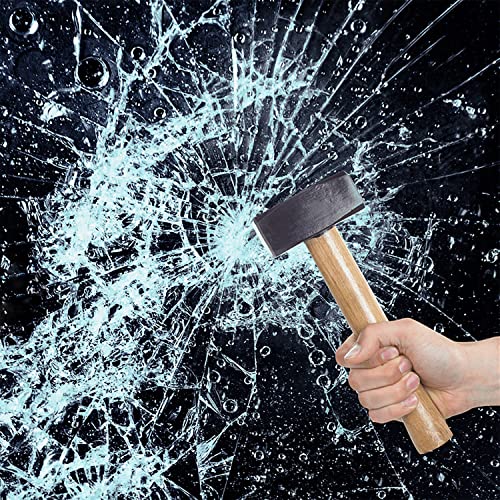
NIDOJP offers an 8 mil security film designed for stronger glass protection in homes and offices. The film provides shatter resistance and is positioned for crime protection and accident prevention by keeping glass fragments bound after impact. It is described as scratch resistant and suitable for windows, mirrors, and doors, with an emphasis on reducing cleanup after breakage. The thicker profile makes this option a solid choice for higher-traffic environments or spaces where extra security is desired, while still maintaining clear visibility and light transmission.
- 8 mil thickness for enhanced protection
- Shatter resistance to reduce injury risk
- Scratch resistant surface
- Good for windows, mirrors, doors in homes or small businesses
DUOFIRE Window Security Film 4 Mil

DUOFIRE’s premium 4 mil window film focuses on shatter resistance and broad application. By strengthening glass, it makes intrusions harder and helps hold shards in place after impact, reducing injury risk and property damage. The film is positioned for a wide range of uses—from supermarkets and storefronts to homes and offices—where security needs to be balanced with daylight and exterior visibility. The installation is described as straightforward, and the film provides reliable protection in high-traffic areas where glass is a vulnerability point.
- 4 mil thickness for solid protection
- Absorbs impacts to prevent shattering spread
- Suitable for commercial storefronts and residential windows
- Reinforces glass to deter break-ins
Buying Guide
Key purchase considerations
When evaluating security window films, consider thickness, adhesive quality, and installation method. Thicker films (8 mil) tend to offer stronger impact resistance, but may be slightly more challenging to install. Adhesives should be pressure-sensitive and designed for exterior interior glass surfaces to ensure long-term adhesion. Look for films that meet recognized safety standards, such as ANSI Z97.1 and CPSC categories, to verify performance expectations. UV rejection is valuable for protecting interiors from fading, but if heat control is a primary goal, you may need a separate reflective or tinted option in combination with security film.
Security vs. visibility
Security films are designed to preserve window integrity during impact while remaining optically clear. Some brands emphasize “crystal clear” appearance with near-perfect transparency, which helps maintain natural lighting and outward visibility. If glare is a concern, pairing security film with a passive glare reduction solution can help. For homes with large sun exposure, ensure the film you choose does not compromise visibility at night or reduce the view from indoors to outdoors.
Installation and maintenance
Most films in this group install on the interior surface of existing glass, which simplifies replacement and maintenance. Some products include installation tools and guidelines to minimize air bubbles and ensure a smooth finish. After application, avoid direct contact with cleaners containing ammonia that can degrade the adhesive. Routine cleaning with mild solutions is generally recommended to preserve clarity and adhesion over time.
Applications and use cases
Security window films are versatile, suitable for residential windows, doors, storefronts, and display cases. Choose a film that aligns with the primary risk you’re mitigating—crime-related break-ins, accidental glass breakage, or graffiti and vandalism. For higher-traffic spaces, prioritize thicker films and those with proven impact resistance. In environments where UV protection is equally important, ensure the chosen film offers strong UV rejection to preserve interior furnishings.
Comparisons at a glance
– 4 mil films provide solid everyday security for smaller panes and lighter traffic spaces; easy to install and maintain.
– 8 mil films offer greater impact resistance, ideal for larger panes or higher risk areas.
– Brands vary in installation ease, but most include straightforward application instructions and tools.
– UV rejection is common across options, helping protect interiors from fading.
– None of these films are primarily heat-control solutions; consider combined approaches if heat reduction is a priority.