Best Rubber Roof Sealant for Flat, RV and Metal Roofs
Selecting the right rubber roof sealant protects against leaks, heat, and weather cycles. This guide highlights five top-rated options that cover flat roofs, RV roofs, and metal surfaces. Each product balances adhesion, flexibility, UV resistance, and ease of application, so you can choose a solution that fits your roof type and DIY skills. Below, you’ll find concise overviews, practical considerations, and a quick Buying Guide to help you compare performance across common roof substrates.
| Product | Brand | Best For | Key Benefit |
|---|---|---|---|
| Liquid Rubber Waterproof Sealant | Liquid Rubber | Flat and low-slope roofs; foundations | High elongation; durable, flexible waterproof membrane |
| Liquid Rubber RV Roof Sealant | Liquid Rubber | RVs, campers, and travel trailers | Solar reflective; versatile substrate compatibility |
| Liquid Rubber Silicone Roof Coating | Liquid Rubber | Flat, sloped, metal, and EPDM/TPO surfaces | No primer needed; UV-reflective, one-gallon coverage |
| Gorilla Patch & Seal Liquid Rubber | Gorilla | Small leaks and patches; DIY repairs | Flexible, water-tight, easy to apply |
| GEOCEL Roof Bonding Sealant | Geocel | Roof bonding on multiple substrates | Underwater bonding capability; quick-drying |
Introduction to products: The five selected options here represent a mix of universal roof coatings, RV-specific sealants, and patch-friendly solutions. They share a common goal—keeping water out while accommodating roof movement and temperature shifts. Read on for deeper product insights and practical tradeoffs to help you pick a sealant that matches your roof’s material, climate, and maintenance plan.
Liquid Rubber Waterproof Sealant For Flat Roofs

The Liquid Rubber Waterproof Sealant employs an industrial-strength bitumen-based formula to create a seamless waterproof membrane on flat, metal, and low-slope roofs, as well as foundations and gutters. It is designed to form a durable barrier where traditional sealants may fail and serves as a robust alternative to tar patches. A standout feature is its exceptional flexibility—reportedly more than 950% elongation—allowing the coating to move with a building without cracking or peeling, even under temperature fluctuations and UV exposure. This makes it well-suited for roof repairs and preventative maintenance on surfaces that experience regular movement.
Application and coverage details emphasize versatility: you can brush, roll, or spray on. For flat or low-slope surfaces and standing water, a typical initial application uses one gallon per 15 square feet with three to four heavy coats to achieve a 60–80 mil membrane. Vertical surfaces, such as foundations, may require about 30 square feet per gallon with two to three heavy coats for a 30 mil membrane. These guidelines support both quick fixes and longer-term waterproofing projects. Surface preparation—clean, dry, and free of dirt or loose material—helps maximize adhesion and longevity.
- Flexible, durable rubber coating with high elongation
- Good UV resistance to minimize weathering
- Multisurface use for roofs, foundations and gutters
- Brush, roll, or spray application
Liquid Rubber RV Roof Sealant

This RV-focused sealant from Liquid Rubber is a professional-grade, solar-reflective elastomeric coating designed to form a flexible, leak-tight membrane for travel trailers, campers, pop-ups, RVs, and related structures. The coating remains flexible across temperature ranges to prevent cracking or loss of adhesion—an essential feature for moving roof assemblies found on mobile installations. The product’s heat-reflective properties help reduce interior temperatures, contributing to energy savings and extended roof life by limiting thermal expansion stress. The coating is compatible with EPDM, TPO, fiberglass, and aluminum, making it a versatile option for common RV roof assemblies.
As part of a broader protection system, this sealant is designed to pair with Liquid Rubber EPDM Primer to maximize adhesion on EPDM and TPO surfaces. The overall system is intended to provide durable, leak-proof coverage that withstands outdoor exposure. The formula emphasizes long-term performance with a focus on weather resistance and adhesion over repeated flexing of the roof edge seals, vents, and panels. For best results, plan multi-coat applications and consult surface-specific prep recommendations to ensure optimal bonding and longevity.
- Flexible, reflector-coated membrane for RV roofs
- Compatible with common RV roof substrates
- Solar reflective to help reduce heat load
- Works as part of a complete roof sealing system
Liquid Rubber RV Roof Coating By EverBond

The RV Roof Coating from EverBond is a white, high-performance coating designed specifically for RV roofs and other metal structures. It highlights a groundbreaking stretch-and-seal approach with up to 1000% flexibility, allowing the coating to move and adapt as the roof experiences expansion and contraction. This property reduces the risk of micro-cracks under thermal stress, helping to maintain a weatherproof seal over time. In addition to excellent elasticity, the product uses a closed-structure, nano-coated approach that filters out impurities to preserve adhesion and durability. The result is a robust protective seal with high tensile strength (around 450 psi), contributing to long-term leak prevention for campers, travel trailers, motorhomes, and even some metal buildings.
The coating is white to reflect sunlight, which can help keep interior temperatures cooler and protect underlying substrates from UV damage. It’s suitable for a range of roof types, including RVs and other exposed metal surfaces, and it can complement a broader roof maintenance plan that includes surface cleaning and vent sealant checks. Users should follow manufacturer guidance on primer and surface prep to maximize adhesion and lifespan.
- 1000% stretch capacity for roofing movement
- Nano-coated formulation reduces impurities
- Heat-reflective white finish
- High tensile strength for durable seals
HENG’S Industries Rubber Roof Coating
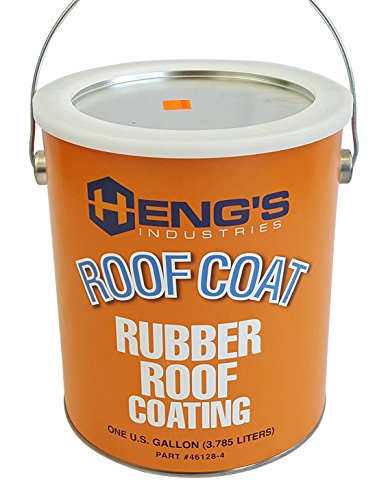
HENG’S Industries offers a rubber roof coating designed specifically for RVs, motorhomes, and other rubber roof membranes. The coating provides UV resistance and is formulated to expand and contract with roof movements, helping to prevent cracking and loss of adhesion at seams and joints. It’s designed to seal vents, air conditioners, and other roof penetrations, making it a practical choice for patching leaks and extending roof life. The formula emphasizes non-polluting and non-toxic characteristics, appealing to homeowners who prefer safer, low-toxicity coatings for living spaces or occupied areas. The coating’s durability supports both repairs and preventative maintenance on rubber membranes commonly found on mobile homes and RV applications.
For best results, apply to clean, dry surfaces and follow cure times for the specific climate. Its UV resistance helps reduce weathering over time, which is important for roofs exposed to sun and heat. This option pairs well with routine inspection schedules to catch small issues before they become larger leaks, particularly around seams, vent boots, and edge seals.
- UV resistant; expands with roof movement
- Seals seams and penetrations like vents
- Low-toxicity, non-polluting formulation
- Effective for RV and motorhome roof repairs
Liquid Rubber Silicone Roof Coating

The Liquid Rubber Silicone Roof Coating is a versatile, no-primer-needed option designed for a wide range of substrates, including flat and sloped roofs, metal, wood, concrete, EPDM, and TPO. The coating claims high flexibility with over 237% elongation, reducing the risk of cracking from thermal movement and adhesion failure. UV stability helps preserve the coating’s integrity under sun exposure. Coverage guidance suggests applying about one gallon per 50 square feet, with two layers recommended for optimal protection. This product is positioned as a practical one-coat to two-coat solution for homeowners seeking a straightforward silicone sealant with durable, weather-resistant results.
Use cases include sheds, garages, metal roofs, and flat roof sections where weather protection is a priority. The silicone composition provides a strong water barrier, longevity under UV exposure, and compatibility with multiple roof materials. As with any coating, surface prep (cleaning, drying, and removing contaminants) is critical to achieving lasting adhesion and performance. Professionals often pair silicone coatings with appropriate primers when dealing with challenging substrates.
- No primer required on many substrates
- UV-stable with high elongation
- Versatile for multiple roof types
- Recommended two-coat application for best results
Gorilla Patch & Seal Liquid Rubber

Gorilla Patch & Seal is a flexible, rubberized sealant designed to seal out water, air, and moisture. It is suitable for quick DIY repairs where leaks appear as small gaps and cracks, offering an easy application method with brush, roll, trowel, dip, or pour techniques. Once cured, the coating forms a flexible layer that accommodates movement and temperature changes while remaining UV resistant. This makes it a practical option for spot repairs on RVs, gutters, vent gaps, or small roof seams where you want a reliable, fast-sealing solution without extensive prep.
Key considerations include its suitability for smaller repairs and patch jobs rather than full-roof resurfacing. While convenient for quick fixes, it may not be the best singular solution for large roof areas requiring a continuous membrane. As with other coatings, ensure proper surface cleaning and dry conditions to maximize adhesion and longevity of the sealant.
- Easy application for patches and small leaks
- Flexible, water-tight finish
- Temperature and UV resistant
- Suitable for DIY use on various substrates
GEOCEL Roof Bonding Sealant

Geocel GC55103 4500 Roof Bonding Sealant is a premium one-component bonding sealant designed for roofing applications and systems. It bonds underwater, making it well-suited for applications where ponding water might occur or where substrates are intermittently wet. The quick-drying formulation supports faster turnarounds on roofs, helping to reduce downtime during repairs. It is versatile for use on asphalt shingles, steel, concrete, EPDM, primed TPO, primed PVC, Hypalon (black), metal, and wood—covering a broad array of roofing substrates. This makes it a strong candidate for professionals seeking a robust bonding solution for mixed roof assemblies and complex repairs.
Considerations for this option include its excellent underwater bonding capability, which is valuable in areas with persistent moisture or frequent rainfall. Users should account for substrate priming requirements and cure times, especially when working on primed materials or overlapping roof sections. This sealant is often favored for sealing and bonding tasks beyond basic leak sealing, offering durable adhesion across diverse roofing substrates.
- Underwater bonding capability
- Quick-drying formula
- Broad substrate compatibility
- Premium scypolymer performance
Buying Guide
To choose the right rubber roof sealant, consider roof material, climate, and DIY comfort. The right product should provide a durable waterproof membrane, ample flexibility to tolerate movement, UV resistance, and straightforward application. Below are essential purchase considerations and practical comparisons to help you decide.
- Roof substrate compatibility: EPDM, TPO, metal, concrete, wood, and asphalt each react differently to coatings. Some products advertise universal use, while others are optimized for specific substrates. Match the sealant to your roof’s material to maximize adhesion and longevity.
- Flexibility and elongation: Higher elongation helps the coating move with the roof and resist cracking. For flat or low-slope roofs, look for products with high elongation ratings (often over 900–1000% in premium formulas). RV coatings typically emphasize continued elasticity to handle roof movement on moving vehicles.
- UV resistance and color: UV stability extends coating life. White or light colors reflect heat, reducing interior temperatures and slowing structural degradation. If heat is a concern, reflectivity becomes a meaningful factor in your choice.
- Coverage and coats: Many products specify coverage per gallon and recommended coat counts. Plan for multiple coats on flat roofs to achieve a durable membrane. For vertical surfaces, coating thickness and coat count may differ significantly from horizontal applications.
- Application method and cure time: Brush, roller, or spray are common methods. Some products allow no-primer applications, while others require primers for optimal adhesion. Cure times vary with temperature and humidity; plan around your seasonal weather windows for best results.
- Adhesion reliability and longevity: Some coatings include nano or premium polymer blends to reduce impurity-related adhesion loss. Consider the roof’s exposure to weather, humidity, and temperature swings when evaluating long-term performance.
- Safety and environmental impact: Non-toxic or low-VOC formulations are preferable for occupied spaces or projects near living areas. Always follow safety data sheets and ventilation requirements during application.
- DIY vs professional considerations: While many products are DIY-friendly, certain installations—especially those requiring uniform flat membranes or large-area coatings—may benefit from professional application, spray equipment, or surface-prep expertise.
Comparison Snapshot
| Product | Best For | Flexible Membrane | Surface Range | Notable Advantage |
|---|---|---|---|---|
| Liquid Rubber Waterproof Sealant | Flat/low-slope roofs | Very high elongation | Flat, foundations, gutters | Excellent long-term flexibility |
| Liquid Rubber RV Roof Sealant | RVs and campers | Flexible; solar reflective | EPDM, TPO, fiberglass, aluminum | Complete roof protection system option |
| Liquid Rubber Silicone Roof Coating | Various roof types | 237% elongation | Flat, sloped, metal, EPDM, TPO | No primer needed on many substrates |
| Gorilla Patch & Seal | Patch jobs and small leaks | Flexible seal | Roof seams, vents, patches | Very easy DIY patching |
| GEOCEL Roof Bonding Sealant | Bonding across substrates | Underwater bonding | Shingles, metal, EPDM, primed surfaces | Excellent for ponding areas |
Choosing the right option depends on your roof type, climate, and whether you prioritize ease of application or maximum longevity. For simple patches on RVs or patching vents, a convenient sealant like Gorilla Patch & Seal can be effective. For long-term residential or commercial roofs, a high-flexibility, UV-resistant coating such as Liquid Rubber products offers superior durability. If you need underwater bonding capabilities or work on mixed substrates, GEOCEL or similar bonding sealants provide strong adhesion in challenging conditions. Always follow prep steps, ensure proper ventilation, and apply in suitable weather to optimize performance and lifespan.