Best Rip Fence Options for Your Circular Saw: Accurate, Durable Guide Helpers
When you need straight, repeatable cuts, a reliable rip fence is essential for any circular saw setup. This guide reviews five compatible options that fit a range of popular saw models, from DEWALT to Milwaukee and Makita. Each fence is designed to help you set precise distances from the blade, lock firmly in place, and reduce drift during long cuts. The following picks balance compatibility, build quality, and value, helping you choose a fence that improves accuracy without slowing your workflow.
| Product | Brand | Notes |
|---|---|---|
| DEWALT Circular Saw Fence | DEWALT | Wide compatibility with DEWALT saws; smooth, precise results |
| Makita 164095-8 Rip Fence | Makita | Fits multiple Makita models; compact packaging |
| Follde 49-22-1001 Rip Fence Kit | Follde | Budget-friendly substitute with broad compatibility |
| Makita 199249-8 Rip Fence Kit | Makita | All-metal design for durability |
| Milwaukee 49-22-4146 Rip Fence | Milwaukee | Trusted brand; simple, reliable edge guide |
DEWALT Circular Saw Fence (DW3278)

The DEWALT rip fence is designed for use with most DEWALT circular saws, including models DCS575, DCS570, DCS577, DWE575, and DWS535. It provides a smooth, precise result and is simple to fasten, allowing you to designate the distance from the blade to the fence quickly. This fence emphasizes repeatability for straight-edge cuts, making it a practical choice for cabinetry, shelving, and other projects requiring exact dimensions.
Makita 164095-8 Rip Fence for Circular Saws

The Makita 164095-8 rip fence fits several Makita models, including 5005BA, 5007NB, 5057KB, 5046DwB, and 5621DWA. It ships compactly (about 11.5 inches long), balances portability with durability, and is designed to maintain straight cuts with a secure fence-to-guide alignment. This fence is a solid option for users already invested in Makita tools who need dependable rip guidance without added weight.
Follde 49-22-1001 Circular Saw Rip Fence Kit

Follde’s 49-22-1001 kit is positioned as a durable, affordable substitute for Milwaukee’s 49-22-1001 rip fence. It fits Milwaukee 6310-20 cordless saws and the 6391-21, as well as 7-1/4 inch left blade circle saws, including the 2630-20 M18. The kit promises a straight cutting edge when connected to left-blade circular saws, supporting consistent rip cuts across multiple tasks while offering a cost-conscious option for job sites and hobby workshops alike.
Makita 199249-8 Rip Fence Kit
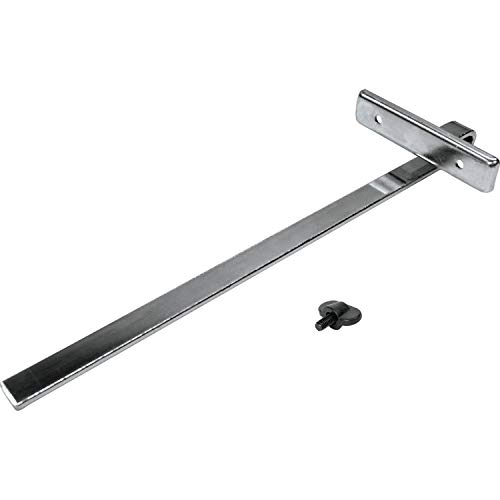
The Makita 199249-8 rip fence kit emphasizes an all-metal design for enhanced durability and longer life. It’s engineered for quick and easy installation, enabling craftsmen to set up rip cuts fast and maintain consistent widths. This option suits users seeking a robust guide that can withstand repeated use without sagging or drift during long rip cuts.
Aulpq 49-22-1001 Rip Fence for Milwaukee and More

The Aulpq 49-22-1001 model targets Milwaukee 2630-20 M18, 6310-20, and 6391-21 saws, offering a compatible left-blade fence option that provides a straight edge for reliable, repeatable cuts. It’s marketed as a versatile choice for the Milwaukee ecosystem, helping ensure alignment consistency across project runs. The kit emphasizes compatibility and ease of use for quick setup on busy workdays.
Milwaukee 49-22-4146 Rip Fence

The Milwaukee 49-22-4146 rip fence kit includes two thumb screws and is designed to be a simple, reliable edge guide for a range of Milwaukee circular saws. It focuses on straightforward installation and secure locking to deliver consistent rip widths. For users who value a familiar brand with a straightforward assembly, this fence can streamline repetitive cutting tasks while maintaining accuracy.
Buying Guide: Key Considerations For Choosing A Rip Fence
- Compatibility: Verify that the fence fits your specific saw model or fits a broad range of brands you own. Left-blade and right-blade configurations affect which fence you should select.
- Material and Durability: All-metal designs tend to withstand heavy use and resist deformation over time, especially on longer runs or repeated cuts.
- Locking Mechanism: A secure, easy-to-tighten lock minimizes drift. Look for fences with reliable clamps or thumb screws that stay in place under light vibration.
- Ease of Installation: Quick, tool-light setup reduces downtime. Some fences are designed for fast alignment with blade-to-fence distances clearly marked.
- Accuracy and Repeatability: The fence should provide consistent distance settings and straight edge guidance to achieve uniform cuts across multiple pieces.
- Portability and Weight: Lighter fences are easier to transport, but heavier models often offer sturdier alignment. Consider your workspace and transport needs.
- Brand Ecosystem: If you already own tools from a brand (DEWALT, Makita, Milwaukee, etc.), selecting the matching fence can improve compatibility and ease of use.
- Budget vs. Value: While premium fences can offer greater durability and precision, many mid-range options provide solid performance for hobbyists and DIYers at a lower cost.
- Installation Notes: Some rip fences require specific left- or right-blade setups or additional mounting accessories. Check product details and compatibility notes before purchasing.
Depending on your project needs—cabinetry, shelving, or general carpentry—select a fence that balances precision with practicality. For frequent, repetitive cuts, prioritize durability and lock stability. If you work with multiple saw brands, a versatile model or a brand-supported option may reduce setup time and improve cross-tool accuracy. Always follow your saw’s manual for safe use when attaching a rip fence and ensure the fence is properly aligned before each cut.