Best Respirators for Painting: Top Indoor Air-Safety Masks for Professionals
Painting indoors or in enclosed spaces exposes you to solvent vapors, airborne particulates, and fine aerosols. A reliable respirator can reduce exposure to dangerous chemicals while improving comfort during long projects. The following five models are among the top-rated options for painters, offering a mix of NIOSH-approved organic vapor cartridges, P95 or P100 filters, and adjustable seals. This guide compares their core features, fit, and maintenance considerations to help you select a respirator that matches your painting tasks, ventilation, and safety requirements.
| Product | Brand | Filtration Type | Primary Use |
|---|---|---|---|
| 3M P95/OV Paint Project 6211 | 3M | OV cartridge with P95 filter | Organic vapors and particulates during painting |
| RBLCXG Half Face Mask | RBLCXG | Double filtration system | Painting, chemicals, organic vapors |
| 3M P95/OV Paint Project 6311 | 3M | 6001 OV cartridge; P95 filters | Professional spray painting |
| AirGearPro G-500 | AirGearPro | A1P2 dual filters | Gases, vapors, and particulates during painting |
| GZFDYW Reusable Half Face Mask | GZFDYW | Double filtration system | Painting, dust, organic vapors |
3M Paint Project Respirator 6211

The 3M 6211P1-DC model uses a NIOSH-approved organic vapor (OV) cartridge paired with a P95 filter, delivering at least 95 percent filtration of solids and liquid aerosols as well as specific organic vapors. This combination supports painters dealing with common solvents, lacquers, and solvent-based stains. The design emphasizes a lightweight, flexible thermoplastic faceseal to reduce pressure points during extended wear. The “for workplace/occupational use only” labeling reflects standard safety expectations for professional environments. When oil aerosols are present, the oil-proof P-series filter plays a protective role, though users must follow the manufacturer’s time-use restrictions for oily exposures.
Fit and comfort are key for long sessions. The 6211 is designed for easy adjustment and a relatively low profile, helping you maintain visibility while protecting your breathing zone. For projects involving repeated spray passes or indoors with limited ventilation, this model can be a practical choice, balancing chemical filtration with particle protection. As with all OV/P95 combinations, confirm compatibility with specific paints and solvents you intend to use and replace cartridges as recommended by the manufacturer.
RBLCXG Half Face Mask For Painting

This RBLCXG respirator emphasizes a sealed, comfortable fit with a food-grade elastic silicone edge designed to contour to a wide range of face shapes. Its fully adjustable comfort strap and ergonomic design aim to reduce pressure points during long painting jobs. The product’s double filtration system provides protection against organic vapors, smoke, pollen, dust, and other airborne particles, making it a versatile option for painting activities that also involve dust or minor chemical odors. Anti-fog features help maintain visibility as you move between surfaces and coatings.
With a focus on fit and ease of use, RBLCXG’s model suits hobbyists and professionals who require reliable protection without complex maintenance. It offers straightforward adjustment and compatibility with safety glasses, which can be important when sanding dusty surfaces or applying finishes. While it may not boast the same brand-name filtration lineup as 3M, its emphasis on comfort and a broader protective range can be beneficial for mixed-task projects in workshop settings.
3M P95/OV Paint Project 6311

The 6311 model pairs a NIOSH-approved OV cartridge (6001) with P95-rated filters (5P71) to address both vapor and particulate concerns commonly encountered during professional painting. This setup helps reduce exposure to solvents and certain organic vapors while also capturing solids and aerosols associated with spray painting, varnishes, stains, sealants, and solvent-based cleaners. It is intended for occupational use and is designed for workers who require reliable filtration across both vapor and particulate hazards in a single respirator.
The 6311’s design emphasizes flexibility and compatibility with long work sessions. The combination of OV and P95 filtration supports use with a variety of painting workflows, from priming to finishing coats. As with any OV/P95 system, users should assess the specific solvents involved in their coatings and consider cartridge replacement timelines to maintain protection throughout a project.
AirGearPro G-500 Dual-Filter Mask

The AirGearPro G-500 uses a dual filtration system (A1P2) designed to block both gases and vapors as well as particulate matter. The A1P2 filters provide protection against organic gases with higher boiling points and dust or aerosols, making this mask suitable for a range of painting tasks, including sanding, spraying, and cleanup. It is a reusable mask, enabling filter replacement as needed to extend service life and reduce waste. CE certification signals conformity with European safety standards, which can be a useful reference point for cross-border projects and compliance-minded buyers.
For painters who value a contemporary look and a straightforward filter-change workflow, the G-500 can be a solid option. The dual-filter approach helps cover more exposure scenarios than a single-filter setup, though you’ll want to verify compatibility with the specific paints and solvents you use. Since this model emphasizes reusability, budget-conscious buyers should factor in ongoing filter costs and replacement intervals when evaluating long-term affordability.
GZFDYW Reusable Half Face Mask
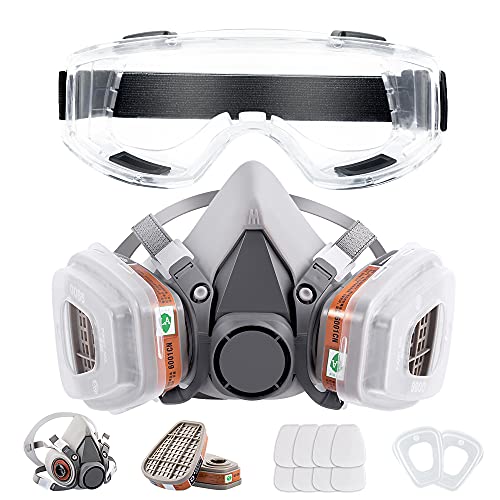
This GZFDYW mask emphasizes a sealed and comfortable fit with a food-grade silicone edge that adapts to most face shapes. Its double filtration system provides robust protection against organic vapors and gases, smoke, pollen, dust, and related particles encountered in painting environments. The fully adjustable comfort strap enhances wearability for extended sessions, and the design supports clear visibility through safety glasses or goggles, reducing fogging and keeping you aware of your work area.
GZFDYW positions itself as a practical option for DIYers and professionals who want a balance of protection, comfort, and affordability. The product highlights a straightforward assembly and adjustable components, making it accessible for users who need reliable filtration without a steep learning curve. When selecting any half-face respirator for painting, consider surface prep, solvent types, and the ventilation available to determine whether the included filtration is sufficient for your tasks.
Buying Guide
Choosing the right respirator for painting involves balancing filtration performance with comfort and fit. Here are key considerations to guide your decision:
- Filtration type and coverage: Organic vapor (OV) cartridges protect against solvent vapors, while P95 and P100 filters target particulates. For solvent-heavy coatings, OV with a P-class filter combination is commonly recommended; P100 offers higher particulate efficiency.
- Oil resistance: If you work with oil-based paints, stains, or sealants, oil-resistant P-series filters help maintain performance. Follow manufacturer guidelines on use duration when oil aerosols are present.
- Fit and comfort: A tight seal with a silicone or rubber edge improves protection and reduces leakage. Adjustable headbands and shapes that fit your facial features will reduce fatigue during long sessions.
- Face coverage: Half-face respirators are lighter and easier to wear for long periods, but provide less facial coverage than full-face models. If eye protection is critical, ensure compatibility with safety glasses and anti-fog features.
- Maintenance and replacement: Filters and cartridges have defined lifespans based on exposure levels and usage. Replacing cartridges when they become difficult to breathe through or after the recommended usage period is essential for sustained protection.
- Task compatibility: For sanding, spraying, and finishing, dual-filter systems can offer broader protection. Consider models with easy filter changes to minimize downtime on the project.
- Comfort features: Look for models with soft seals, low-profile designs, and anti-fog features to maintain visibility during painting tasks.
- Certification and standards: NIOSH approvals ensure that the respirator meets established safety criteria. EU CE certification can also indicate compliance with broader safety standards for international projects.
When selecting a respirator, assess your typical painting environment—indoor with limited ventilation, full-spray projects, or multi-task days involving sanding and finishing. Short, intermittent tasks may require fewer cartridge changes, while extended sessions in poorly ventilated spaces call for robust filtration and a comfortable fit. Consider your budget not only for the initial respirator but also for ongoing filter replacements and maintenance. Finally, ensure compatibility with any eyewear or protective gear you routinely wear to maintain full protection throughout your projects.