Best Residential Carbon Monoxide Alarm Solutions for Homes
Choosing a reliable carbon monoxide alarm is essential for family safety in today’s homes. The models below cover common residential setups—from plug-in detectors with battery backups to long-life sealed-battery units and dual CO/Smoke alarms. Each selection emphasizes easy installation, dependable sensing, and clear alerts in sleeping areas and main living spaces. Use the quick reference table to compare core specs at a glance, then read detailed sections to understand how each device fits various home layouts, power options, and maintenance needs.
| Product | Brand | Type | Key Benefit |
|---|---|---|---|
| First Alert CO605 Plug-In CO Alarm | First Alert | Plug-In With Battery Backup | Electrochemical sensor; reliable power during outages; loud 85 dB alarm |
| Kidde Battery Powered CO Alarm | Kidde | Battery-Powered (AA) | Portable, easy setup; operates on batteries during outages |
| OLUNCLE 2 in 1 CO & Smoke Alarm | OLUNCLE | 2-in-1 CO & Smoke | Dual detection with LCD display |
| Kidde 9-Volt Backup CO Alarm | Kidde | Plug-In With 9-Volt Battery Backup | Digital LED displays CO level or “GAS” indicator |
| First Alert SMCO210 10-Year Sealed Battery Alarm | First Alert | 2-in-1 Smoke & CO with Sealed Battery | 10-year life; minimal maintenance; slim profile |
First Alert CO605 Plug-In CO Alarm
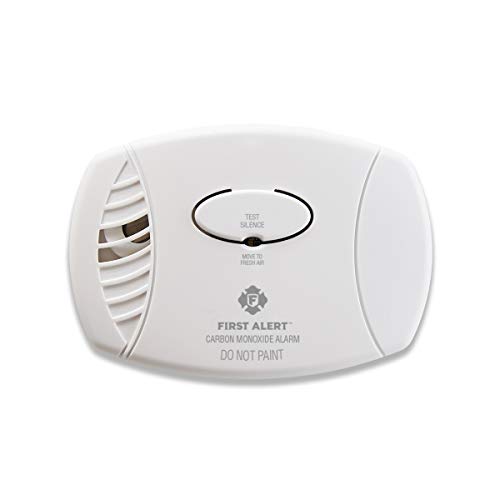
The CO605 is designed for homes that prefer a simple, plug-in installation with a battery backup for power outages. It uses an advanced electrochemical carbon monoxide sensor, which provides accurate readings across a wide range of concentrations. A single test/silence button makes routine checks straightforward, and the unit emits an 85-decibel alarm when dangerous CO levels are detected. The adjustable design accommodates placement in living rooms, hallways, or bedrooms where occupants spend significant time. A quiet low-battery signal mute helps avoid nuisance alarms during battery reminders, offering up to eight hours of muted alert during short outages.
Installation is quick—plug into a standard outlet and position the detector at an appropriate height where CO can accumulate (often near sleeping areas is recommended). Regular testing is essential: press the test button monthly to verify that the alarm responds and that the indicators function correctly. If the device begins to chirp or shows signs of malfunction, replace it promptly to maintain continuous protection. This model is a dependable choice for renters and homeowners who want a straightforward, reliable CO monitor that works even when the power is out.
Kidde Battery Powered CO Alarm
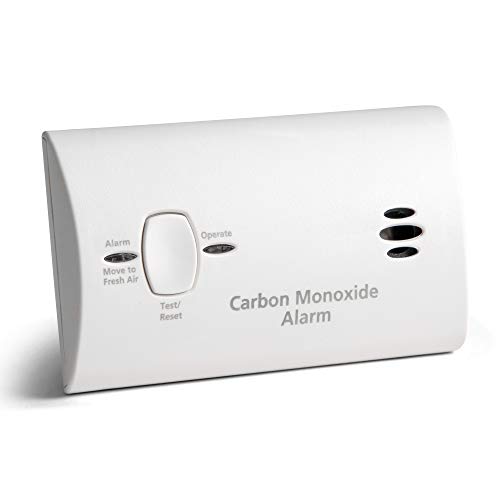
This Kidde model runs on two AA batteries, making it ideal for locations without immediate access to house wiring or where installing a plug-in detector is impractical. Its electrochemical sensor detects CO gas reliably and operates during power failures since it is battery-powered. The device includes status LEDs—green indicates power is on, while red signals the presence of carbon monoxide along with the audible alarm. The unit is compact and portable, suitable for bedrooms, home offices, or vacation properties where a quick, wire-free setup is desirable.
Because it uses replaceable batteries, routine maintenance involves checking for battery health and replacing batteries when needed. Test and replace per the manufacturer’s guidance to ensure ongoing reliability. This model’s portability is a benefit for those who frequently rearrange furniture or relocate detectors as rooms are repurposed. It provides a solid, cost-effective baseline CO alarm for households that value straightforward operation and independence from electrical outlets.
OLUNCLE 2 in 1 CO & Smoke Alarm

The OLUNCLE unit combines carbon monoxide detection with smoke detection in a single device, helping conserve space and reduce device clutter. It features dual high-stability sensors for improved accuracy and timelier alerts. The LCD screen provides real-time CO readings, giving homeowners a clear sense of the current air quality. Its 85-decibel alarm sounds prominently when CO or smoke is detected, and the included battery ensures some level of protection during outages or temporary power disruptions. This model is particularly appealing for kitchens, living rooms, and bedrooms where a dual warning system is advantageous.
Easy installation is a highlight, with no heavy wiring required. The device can be mounted on a wall or placed on a shelf with minimal tools and effort. Regular testing remains essential to confirm sensor responsiveness, and battery replacements should be performed when necessary to maintain protection. For households seeking a single device to cover multiple threats, this 2-in-1 detector offers practical value and straightforward operation.
Kidde 9-Voltage Backup CO Alarm
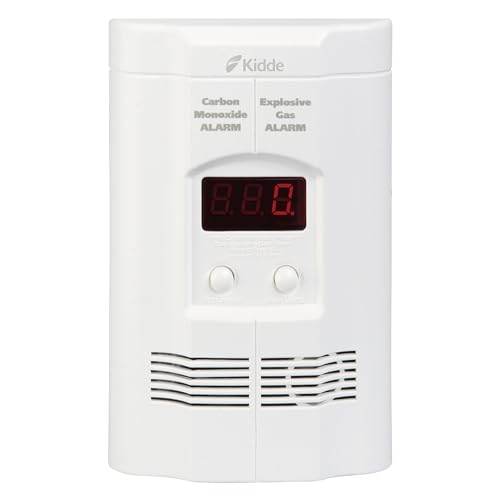
This Kidde model is a plug-in CO alarm with a 9-volt battery backup, providing continuous protection even during a power outage. The digital LED display is a practical feature, clearly showing the current CO level and signaling when “GAS” is detected for other dangerous gases. The device is simple to install—just plug into a standard outlet and rely on the backup battery when needed. The LED readout helps homeowners monitor CO levels at a glance, which can be especially useful in bedrooms and family rooms where occupants spend long periods.
During routine maintenance, test the alarm regularly to verify responsiveness and battery status. The 9-volt backup ensures continued protection if the power drops, making this model a strong option for homes with older electrical systems or in areas prone to outages. Its straightforward interface makes it accessible to renters and homeowners who want reliable performance without complex setup.
First Alert SMCO210 10-Year Sealed Battery Alarm

The SMCO210 combines smoke and carbon monoxide detection in a compact, sealed-battery package designed to last a full decade without requiring battery changes. Its 2-in-1 capability delivers continuous protection, including early warning during home fires and toxic gas events. The sealed 10-year battery reduces maintenance and eliminates low-battery chirps for the life of the alarm. The slim profile makes it easier to place in hallways or near sleeping areas where space is at a premium, while still offering reliable performance for years without replacement.
Because the battery is sealed, replacement occurs at the end of the product’s life rather than due to battery depletion. This model is particularly suitable for homeowners and rental properties seeking a low-maintenance, long-term solution. It also aligns with UL standards for smoke and CO detection, providing a dependable baseline option for families prioritizing a combined safety device with minimal upkeep.
Buying Guide
Key considerations help tailor CO alarm choices to different homes and lifestyles. Use this guide to compare core trade-offs and determine which features best suit your needs.
- Power source and outage resilience: Choose plug-in detectors with battery backups for continuous protection during outages, or select 10-year sealed-battery units for minimal maintenance. Battery-powered, portable models are ideal for spaces without outlets or for renters who relocate devices frequently.
- Sensor type and coverage: Electrochemical CO sensors are standard for accuracy and speed. 2-in-1 CO/Smoke models save space and reduce clutter, but if you only need CO protection, a dedicated CO sensor is simple and effective. Some models include LCD displays for real-time readings, which can help gauge air quality trends.
- Display and user interface: Digital readouts and clear LEDs simplify monitoring, testing, and maintenance. A test/silence button remains essential for routine checks and reducing nuisance alarms.
- Alarm performance and nuisance alarms: Look for models designed to minimize false alarms caused by cooking or humidity. UL listing and adherence to latest standards (UL 217 for smoke, UL 2034 for CO) indicate robust safety testing.
- Placement and mounting: Position detectors near bedrooms, living areas, and fuel-burning appliances, but away from vents, stoves, or bathrooms with high humidity. Placement height can affect CO accumulation, so follow manufacturer recommendations for best coverage.
- Maintenance and lifespan: Plug-in and battery-backed models require periodic battery checks (monthly testing is common). 10-year sealed units eliminate battery maintenance but require replacement at the end of life. Interconnected systems improve safety in larger homes but may require compatible devices.
- Household context: For renters or multi-unit dwellings, plug-in or battery-powered devices provide flexibility. For homes with gas appliances, adding detectors in key zones (near furnaces, water heaters, and garages) enhances protection.
In selecting a model, consider the balance between ongoing maintenance and protection levels. Homes with sleeping occupants benefit from detectors installed in or near bedrooms or along hallways leading to living spaces. If an alarm sounds, occupants should evacuate immediately and call emergency services if CO exposure is suspected. Regular testing, battery checks, and ensuring detectors are within their recommended lifespans are essential steps to maintain reliable, year-round protection.