Best Portable Carbon Monoxide Detectors for Travel and Home Safety
When selecting a portable CO detector, reliability, battery life, and clear alerts are essential. The following five models are popular choices for travel and everyday use, balancing portability with dependable safety features. This guide highlights each detector’s strengths and what to look for to ensure you stay protected in hotels, campsites, cars, and at home. Review the quick-reference summary table below to compare core specs at a glance.
| Product | Brand | Power | Key Benefit |
|---|---|---|---|
| Kidde Battery Powered Portable CO Detector | Kidde | 2 AA batteries | Simple, reliable monitoring with visual and audible alerts |
| TOPTES CT-580 Portable CO Detector | TOPTES | Rechargeable | Fast response, multiple alarm modes, portable design |
| NEXUS SENSUS DM1209B | NEXUS SENSUS | Rechargeable | 3-in-1: CO, temperature, humidity with clear display |
| AEGTEST AGT-2309 Portable CO Detector | AEGTEST | Rechargeable, Type-C | Long standby and travel-ready with lanyard |
| TopTes CT-300 Portable CO Detector | TOPTES | Battery included (x3) | Wide CO range with backlit display and alarms |
The following sections review each model, highlighting performance, portability, and setup considerations to help you pick the right pocket-sized CO detector for your needs.
Kidde Battery Powered Portable CO Detector
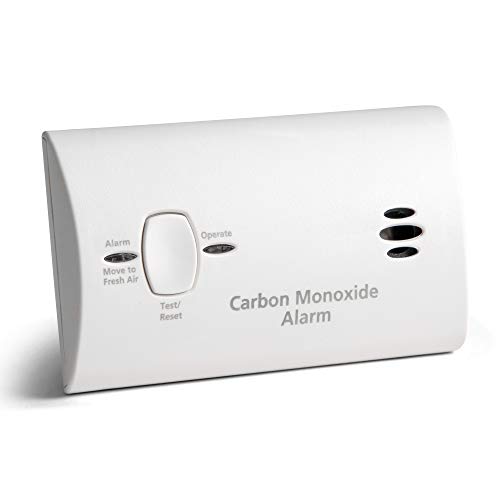
The Kidde model relies on an electrochemical sensor to detect carbon monoxide and provides straightforward operation with no wiring required. It is powered by two AA batteries, ensuring continued protection during power outages when mains-powered detectors would fail. Installation options are flexible: mount it on a wall or place it on a tabletop for quick access. A green LED confirms power, while the detector’s 85-decibel alarm and a red LED clearly indicate the presence of CO. This simplicity makes it a strong choice for renters, travelers, or households seeking a dependable, easy-to-use detector without complex features.
Key considerations include battery availability and replacement cadence, the compact form factor for travel, and the clarity of the alert indicators. As with most portable detectors, regular battery checks and sensor testing are essential to maintain readiness. The Kidde unit offers dependable protection without requiring a wall outlet, making it an attractive option for temporary accommodations, campers, or cars where power may be unstable.
TOPTES CT-580 Portable CO Detector

The TOPTES CT-580 emphasizes speed and versatility with a high-sensitivity DDS sensor and a rapid 0.3-second response. It detects CO across a range from 0 to 1000 PPM and includes multiple alarm thresholds to suit different environments. The device is designed for both personal use and business scenarios, delivering a simple, out-of-the-box experience with a readable graphical display. It supports three alarm modes—visual indicator, audible alarm, and vibration—triggering all three when CO reaches the alert threshold. Its portable form factor makes it suitable for travel, job sites, or temporary housing.
Practical considerations include battery life under frequent use, calibration options, and how the device’s alarm modes perform in noisy environments. The CT-580’s combination of quick response and flexible alert methods helps ensure you notice CO even in bustling settings such as campsites or busy hotel rooms. If you frequently work in unfamiliar spaces or travel often, the CT-580 offers a robust balance of responsiveness and portability in a compact package.
NEXUS SENSUS DM1209B 3-in-1 Portable CO Detector
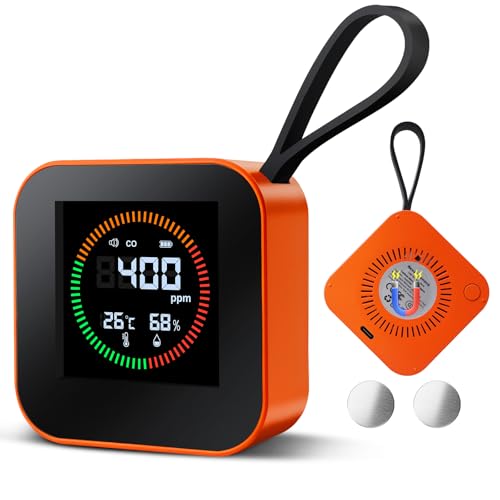
The NEXUS SENSUS DM1209B is a 3-in-1 portable detector that monitors carbon monoxide, temperature, and humidity. Its 0-500 ppm CO range suits typical indoor and travel environments, and its built-in temperature and humidity readings help users gauge ambient conditions that influence CO risk. The unit uses a UL-compliant electrochemical sensor for precise CO detection and provides a straightforward readout, ideal for hotel rooms, RV interiors, or campsite tents. The rechargeable battery enhances portability, eliminating the need for frequent battery replacements during extended trips.
In practice, this model supports quick situational awareness through its multi-parameter display. For travelers and campers, the trade-off is typically a focused CO readout with additional environmental data, rather than a single-purpose detector. Ensure you have a clear charging plan when using it on longer trips and verify that the display remains legible in various lighting conditions. The 3-in-1 functionality is particularly valuable for keeping tabs on a broader environmental picture in unfamiliar settings.
AEGTEST AGT-2309 Portable CO Detector

The AGT-2309 is designed for extended portability with a rechargeable battery and a long standby period. It supports several travel-friendly features, including a compact handheld form and a lanyard for easy carrying. The device reports CO concentrations from 0 to 1000 PPM and provides audible and visual alerts when safety thresholds are reached. A standout feature is rapid response, with a 0.3-second sensor reaction time, making it suitable for sudden changes in confined spaces such as hotel rooms, cars, or tents.
Charging convenience is another advantage, as the device uses Type-C charging, reducing the need for disposable batteries on trips. Considering long trips, this model’s emphasis on standby efficiency and easy transport makes it well-suited for travelers who want reliable, ongoing protection without the weight of larger detectors. Ensure compatibility with your preferred charging accessories and verify alarm loudness in your typical travel environment to maximize effectiveness.
TopTes CT-300 Portable CO Detector

The CT-300 is a compact, travel-ready detector with a broad 0-5000 PPM CO range and a backlit LCD screen for visibility in dim settings. It features a visual and audible alarm system that activates when CO levels reach the set threshold, enabling quick response in hotels, cars, camping, or home environments. The device includes three batteries, reducing the concern about mid-trip power. Its portability is complemented by a lightweight build and a simple control scheme, making it an accessible option for users who want a rugged, easy-to-use CO detector without sacrificing performance.
Users should consider whether they need a wide ppm range for unusual environments or a more focused 0-1000 ppm detector for typical home or travel safety. The CT-300’s high-end range is beneficial in scenarios where prolonged exposure to higher CO levels is a concern, such as heavy vehicle interiors or enclosed camping spaces. Regular calibration and battery checks help maintain accuracy, especially on extended trips where environmental conditions can vary significantly.
Buying Guide
Key purchase considerations when selecting a portable CO detector include sensor type, alarm system, power options, and display readability. Electrochemical sensors are common in consumer detectors for accuracy and stability, but verify the sensor’s lifespan and calibration recommendations. Look for devices with audible alerts and visual indicators (LEDs) that are easy to view from a distance, particularly in noisy or dim environments.
Power options matter for travel and camping. Battery-powered units offer true portability and function during power outages, while rechargeable devices reduce waste and equipment bulk. Some models include Type-C charging, multiple batteries, or built-in rechargeable packs—assessing your typical travel duration helps determine the best option. Always confirm battery life under real-world use, as alarms and displays draw power, especially in colder environments that can shorten battery performance.
Display features affect how quickly you can interpret readings. A backlit LCD or high-contrast display assists in low-light conditions, such as hotel rooms at night or tents. In addition, consider whether the detector shows CO concentration only or provides extra environmental data like temperature and humidity. Multi-parameter displays add value for travelers who want context about the environment alongside CO readings.
Alarms are critical: a combination of audible alerts, visual indicators, and, in some models, vibration can improve noticeability in various surroundings. For households with noisy surroundings or where you sleep, a strong audible alarm paired with a bright LED indicator is essential. Some models also offer a vibration mode or discreet alarms to suit sensitive environments.
Size, weight, and mounting options influence portability. Foldable stands, wall-mount slots, and included lanyards help tailor placement to your environment—hotel rooms, cars, RVs, or tents. Durability matters for travel gear; check for rugged housings and resistance to dust, moisture, or impact if you expect the detector to endure rough handling during trips.
Calibration, maintenance, and warranty are practical considerations. Some detectors require periodic calibration to maintain accuracy, while others are designed for long-term use with minimal maintenance. Check the manufacturer’s guidance on calibration intervals and whether the unit ships with calibration gas or offers calibration services. A solid warranty supports peace of mind for travel and home use alike.
In summary, pick a detector that fits your travel style: compact and battery-powered for quick packing; rechargeable for longer trips; with a clear display, reliable alarms, and practical mounting options. If you frequently stay in unfamiliar accommodations or drive in enclosed spaces, a model with a broader CO range and multi-parameter sensing can provide added safety context. Always test detectors regularly, replace expired units, and store them in accessible locations so you can respond promptly in an emergency.