Best Mold Killer for Wood Surfaces
Wood surfaces can harbor hidden mold and mildew after moisture exposure. Choosing the right mold killer for wood requires considering whether you need mold removal, stain removal, odor control, or preparation for repainting. This guide highlights five proven products for wood mold challenges, with practical uses, surface compatibility, and safety notes. The table below summarizes the five picks to help you compare at a glance.
| Product | Brand | Key Benefit |
|---|---|---|
| Concrobium Mold Control Spray, 32 Oz | Concrobium | Eliminates mold, mildew and odors; invisible barrier on dry |
| RMR-86 Instant Mold And Mildew Stain Remover | RMR Brands | Fast-acting stain removal; tackles stubborn wood stains |
| Zinsser Mold Killing Primer | Zinsser | Kills mold and odor-causing bacteria; primes for painting |
| Moldex 5010 Mold Killer Spray, 32 Oz | Moldex | Blecht-free formula; disinfects mold and odors on wood and more |
| CLR Mold And Mildew Stain Remover, 32 Oz | CLR | Bleach-free, multi-surface stain remover; safe on wood finishes |
Concrobium Mold Control Spray, 32 Oz

Concrobium Mold Control Spray is formulated to eliminate mold, mildew and musty odors while preventing regrowth. The EPA-registered formula crushes mold spores as it dries and leaves an invisible barrier that helps inhibit future growth. The solution is odorless and designed to treat indoor spaces, with a typical coverage of 80–110 square feet per 32-ounce bottle. On wood, it can be applied to damp or freshly cleaned surfaces to help suppress regrowth without introducing bleach or harsh residues. For wood trim, cabinets, or panels, apply evenly and allow to air dry. Test on a small, inconspicuous area first to confirm compatibility with painted or stained finishes. Use with proper ventilation and protective gloves.
Practical tips for wood applications include treating finished or sealed wood first to assess finish response, avoiding heavy soaking on unfinished wood, and reapplying after significant moisture events. While it is not a heavy-duty wood bleach, it offers a preventative barrier that can help curb regrowth in weather-prone areas such as basements, attics, or crawl spaces. For ongoing moisture control, address the underlying water source and recheck the treated surfaces after cleaning seasonally.
CLR Mold And Mildew Stain Remover, 32 Oz

CLR’s Mold And Mildew Stain Remover uses a bleach-free formula designed to tackle tough mold and mildew stains. It is marketed as multi-surface and claims effectiveness on painted walls, ceramic tile, hardwood floors, fabrics, glass, laminate, and more, including wood. The product is designed for rapid action, breaking down stains in minutes to help restore bathroom tiles, kitchens, and other damp zones. When using on wood, test a discreet area first to ensure there is no bleaching or discoloration of the finish. Follow label directions for ventilation and wear protective gear, especially in enclosed spaces.
On wood surfaces, this remover is best suited for surface stains rather than deeply etched mold growth. After treatment, you may want to follow with a conditioner, sealer, or primer if you plan to repaint or reseal the surface. Remember to ventilate well and avoid mixing with other cleaners that could release fumes or cause chemical reactions with painted or varnished finishes.
RMR-86 Instant Mold And Mildew Stain Remover

RMR-86 Instant Mold And Mildew Stain Remover is a fast-acting spray designed to target stubborn stains left by mold and mildew. It begins working quickly to break down marks that can penetrate wood surfaces and other hard-to-clean areas. The product is marketed as safe for multiple surfaces, including wood, though proper ventilation and PPE are advised during use. For wood finishes, apply to the stained area, allow the solution to dwell briefly (as directed), then wipe away or rinse as recommended by the label. This product excels at removing surface stains and can be part of a broader wood care routine that includes drying and sealing after treatment to prevent regrowth.
For wood restoration projects, consider using RMR-86 in tandem with a follow-up sealer or primer to restore the natural appearance after stain removal. Always read the label for ventilation, surface compatibility, and any required dilution. If the wood is unfinished or highly porous, limit moisture exposure and ensure the surface is fully dried before finishing or sealing.
Zinsser Mold Killing Primer
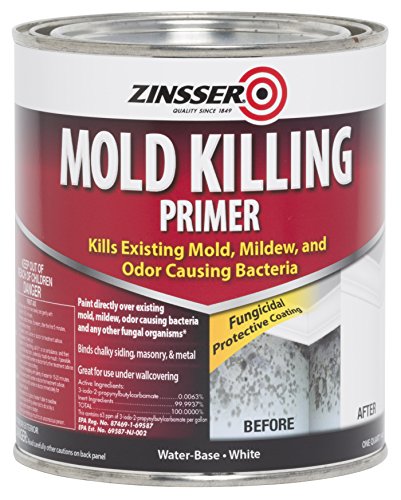
Zinsser Mold Killing Primer combines mold-killing capabilities with a protective water-based coating. It is EPA registered and designed to kill existing mold, mildew, and odor-causing bacteria on wood and other surfaces. The primer works under subsequent coatings and helps prevent fungal staining from reappearing, making it a strong choice when preparing wood surfaces for repainting or refinishing. The product is described as compatible with various coatings and can help stabilize substrate before applying topcoats. When using on wood, ensure the surface is dry and clean, then apply a uniform coat following label directions. Recoats may be required for full coverage and long-term protection.
As a mold-killing primer, it is particularly useful for wooden trim, cabinetry, and exposed studs where mold exposure is common. Because it is water-based, consider ventilation and drying time between coats, especially in humid environments. After the primer dries, you can proceed with paint, stain, or sealant as part of a complete wood restoration project that aims to prevent future mold growth when moisture risks are addressed.
Moldex 5010 Mold Killer Spray, 32 Oz

Moldex 5010 Mold Killer Spray offers a bleach-free formula designed to disinfect and kill mold, mildew, fungi, bacteria and viruses on a variety of hard, non-porous surfaces. It is suitable for bathrooms, walls and floors, outdoor furniture, and other wood-based surfaces where mold tends to form. The spray is intended to disinfect while removing odors and reducing future growth on non-porous wood finishes. When applying to wood, follow the label for safe ventilation and PPE, and ensure the surface is dry before returning it to service. This product is suitable for larger areas or frequent mold challenges due to its sprayable gallon-scale format commonly used in households and facilities.
For wood restoration projects, Moldex 5010 can be part of a broader strategy that includes cleaning, drying, and sealing. Its non-bleach approach helps preserve wood finishes, but always test in a hidden area to confirm colorfastness and finish compatibility before broader use.
BenzaRid Pro Mold Killer Disinfectant

BenzaRid Pro Mold Killer is a multi-purpose fungicide and disinfectant designed to kill black mold and a wide range of fungi, bacteria, and viruses. It carries EPA EVP and other international approvals and claims fast-action mold control on hard, non-porous surfaces. BenzaRid lists multiple mold-related targets, including black mold and other common contaminants, with quick contact times. For wood, use as directed on the label and ensure thorough ventilation during application. This product is suitable for larger remediation tasks where a broad-spectrum disinfectant is desired, followed by careful drying and sealing to prevent regrowth. Always perform a test patch on wood finishes prior to full-scale use to avoid surface changes or finishes damage.
Buying Guide
Choosing the right mold killer for wood involves understanding the difference between removal, staining, odor control, and surface preparation for painting or sealing. Here are key purchase considerations from multiple perspectives:
- Surface type and porosity: Wood varies from sealed and painted to unfinished and porous. For finishes, avoid harsh bleach on delicate stains unless the product explicitly targets mold on wood without bleaching.
- Purpose: If you need immediate stain removal, rely on products like RMR-86. If you want long-term protection and mold prevention, a mold-killing primer such as Zinsser provides a foundation for repainting. For odor control and ongoing growth prevention, consider Concrobium or Moldex disinfectants.
- Safety and regulatory claims: Look for EPA-registered products and follow label instructions for ventilation and PPE. For homes with children or pets, prioritize odorless or low-odor formulas and non-bleach options when possible.
- Application method and coverage: Consider whether you need a spray, wipe, or broader surface treatment. Some products cover more square feet per bottle; plan usage around the size of the affected area and moisture risk.
- Surface compatibility: Test a small area first, particularly on stained or painted wood. Some products may alter finishes or cause discoloration on certain wood species.
- Post-treatment care: After mold removal or stain lifting, dry the area completely and consider sealing or priming to prevent regrowth, especially in moisture-prone environments like basements or crawl spaces.
- Cost and packaging: Bundles, multi-pack bottles, and gallon sizes can be more economical for larger remediation tasks but ensure the product’s intended use matches your project scope.
- Long-term prevention: Pair mold-killing products with moisture control strategies (dehumidification, leak repair) for lasting results on wood structures and furniture.
When selecting a product, balance effectiveness with wood safety, the need for odor control, and the intended finish. Always follow the product label, perform a patch test, and ensure the area is fully dry before applying coatings or reoccupying the space. This approach helps maintain wood integrity while addressing mold challenges.