Best Moisture Meter for Tile: Non‑Destructive Spot Checks for Floors and Walls
Finding the right moisture meter for tile installations, floors, or backer boards helps prevent tile failures and mold growth. This guide reviews select pinless or pin-type meters that deliver non-destructive readings up to roughly 3/4 inch below the surface. Each model is chosen for accuracy, ease of use, and suitability for tile substrates like concrete, drywall, and wood subfloors. Read on to compare features and identify tools that fit DIY projects or professional inspections.
| Product | Brand | Best Use | Reading Depth |
|---|---|---|---|
| Klein Tools ET140 Pinless Moisture Meter | KLEIN TOOLS | Drywall, Wood, Masonry | Up to 3/4 inch |
| General Tools MMD4E Digital Moisture Meter | General Tools | Water leaks, Mold prevention | Pin type |
| RDINSCOS Pinless Moisture Meter for Wall, Floor | RDINSCOS | Walls, Wood, Concrete | Surface to ~2–3 cm |
| TopTes TS-630 Wood Moisture Meter | TOPTES | Wood, Firewood, Drywall | Surface reading |
| Extech MO55 Combination Pin/Pinless | Extech | Restoration, Building Diagnostics | Pinless up to ~25 mm |
Note: All models presented here offer non-destructive options suitable for tile substrates, with readings that help determine if moisture may affect tile adhesion, grout, or substrate integrity.
Klein Tools ET140 Pinless Moisture Meter

The ET140 uses electromagnetic field (EMF) technology for non-destructive detection up to 3/4 inch deep. It provides relative moisture readings ideal for drywall, wood framing, and masonry. A non-invasive approach helps inspect tile backer boards and subfloors without surface damage. Features include a simple interface and quick scans to identify potential moisture hotspots before tiling or re-flooring work.
General Tools MMD4E Digital Moisture Meter
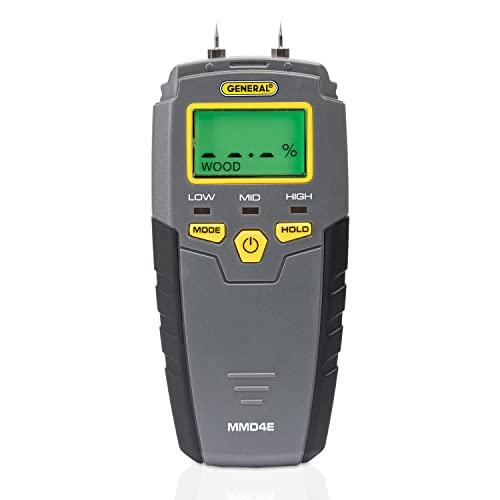
This pin-type moisture meter emphasizes humidity assessment and mold prevention. It features a backlit LCD, audible/visual alerts, and dual-use readings to guide remediation decisions after water intrusion. The MMD4E is well-suited for detecting damp areas behind tile installations, wood subfloors, and drywall. It includes pins and a rugged build for renovation projects where precise pin readings are preferred.
RDINSCOS Pinless Moisture Meter for Wall, Floor

RDINSCOS offers a pinless, non-invasive detector suitable for walls, floors, drywall, concrete, and masonry. It aims for fast, stable readings and provides guidance for moisture-related remediation in home inspections or renovations. The device helps identify hidden moisture paths that could affect tile installation, especially around basements or bathrooms where leaks may occur.
Povlen Pinless Moisture Meter

Povlen’s meter uses non-invasive high-frequency sensing for quick moisture readings with a HOLD function for documentation. It’s designed to minimize surface impact on tile substrates and other finished surfaces. The device includes a color display with audible alerts and a low battery indicator, useful for ongoing monitoring during tile installation and renovations.
Extech MO55 Combination Pin/Pinless
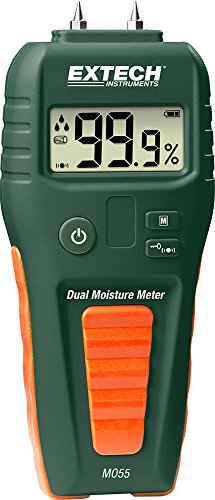
Extech MO55 provides flexibility with pin and pinless modes, delivering measurements for wood and building materials. It offers audible tones that rise with moisture levels and visual moisture drop icons for quick assessment. This model supports tile-related inspections by indicating moisture in wood subfloors or backing materials prior to tile installation or floor replacement.
Buying Guide: Key Purchase Considerations
- Measurement depth: Tile installations benefit from devices that read beneath the surface without damage. Pinless meters are ideal for quick scans; pin meters offer depth-specific data when surface integrity isn’t a concern.
- Target materials: Choose a meter with adjustable scales or presets for drywall, wood, concrete, and masonry to match common tile substrates.
- Display and alerts: Look for backlit displays, clear icons, and audible alerts that help you quickly interpret readings in varying lighting and noise conditions.
- Calibration and accuracy: Devices with calibration checks or protective caps help maintain accuracy in challenging environments like bathrooms or basements.
- Non-invasive convenience: For delicate tile work, prioritize models that minimize surface impact while delivering reliable readings.
- Ease of use: Simple hold, quick-read features, and a readable digital interface reduce guesswork during inspections or prep work.
- Durability and warranty: Consider devices with sturdy housings and manufacturer warranties for ongoing project needs.
- Maintenance: Batteries, calibration checks, and sensor wear should be considered for long-term usage in renovation workflows.
When selecting a moisture meter for tile projects, consider your typical substrates (concrete slabs, backer boards, drywall, wood subfloors) and whether you need pinless scanning for quick area checks or pin readings for depth-specific confirmation. For routine inspections, a pinless model with a wide material range offers speed and versatility. For precise remediation zones, a dual-pin model provides depth data to support targeted repairs before tiling or retiling.