Best One-Handed Knives for Easy Cutting and Adaptive Gripping
Finding a knife that can be used with one hand is essential for anyone with limited hand strength, tremors, arthritis, or mobility challenges. This guide highlights top one-handed and rocker-style knives designed to reduce effort, improve safety, and support independent eating and meal prep. Each option below offers distinct advantages, from curved blades to weighted handles and ergonomic safety features.
Summary Table Of Chosen Products
| Product | Brand | Key Benefit | URL |
|---|---|---|---|
| YOTAN Rocker Knife | YOTAN | One-handed cutting with curved blade for cans, bowls, and tight spaces | Product Page |
| IMPRESA One-Handed Adaptive Kitchen Knife (2 Pack) | IMPRESA | Extra wide blade, safety ledge, textured grip | Product Page |
| PKPKAUT One-Handed Rocker Knife | PKPKAUT | Weighted, curved blade with universal cuff | Product Page |
| PKPKAUT Weighted Rocker Knife (4.0 OZ) | PKPKAUT | Relax tremors with heavier blade and secure cuff | Product Page |
| ABLE-T Right Angle Knife | ABLE-T | OTR-designed handle above blade to reduce strain | Product Page |
YOTAN Rocker Knife For One-Handed Use
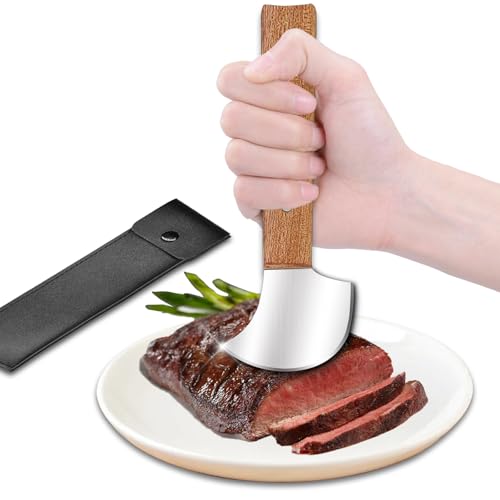
YOTAN’s rocker knife is designed for one-handed use with a curved blade and vertical grip that increases downward cutting force. The tool is suitable for people with hand tremors, Parkinson’s, arthritis, or limited mobility. It supports cutting a wide range of foods, from cake and bread to vegetables and meat, and is especially useful for tackling foods in cans, bowls, or small spaces. The ergonomic design emphasizes safety and ease of use, making it a practical adaptive eating gadget for seniors and those with movement restrictions.
Features aligned with accessible cooking include the curved blade that assists controlled slicing and a grip that accommodates one-handed operation. This makes it a versatile option for daily meal prep and in-hand tasks where traditional knives are difficult to manage.
IMPRESA One-Handed Adaptive Kitchen Knife

IMPRESA offers an ergonomic, extra-wide-blade knife with a safety ledge and textured grip. Sold as a two-pack, these adaptive utensils are designed to help individuals with arthritis or limited hand strength perform one-handed cutting tasks with confidence. The wide blade spreads cutting pressure, while the safety features help minimize slips and accidental cuts, making it a reliable choice for both meal prep and everyday use.
Key benefits include enhanced safety, a sturdy grip, and the versatility to handle many kitchen tasks. The design supports stable control for one-handed cooks, making it a strong contender among adaptive kitchen tools for disabilities.
PKPKAUT One-Handed Rocker Knife

The PKPKAUT rocker knife features a weighted design and a curved blade tailored to reduce tremor impact during cutting. With a universal cuff made from Oxford webbing, the knife easily fits various hand sizes and offers adjustable Velcro installation for quick setup. The German stainless steel blade provides a sharp edge and safe, quick cutting, making it suitable for both daily meals and special occasions where one-handed operation is essential.
Designed to support arthritic hands and tremor-prone users, this model emphasizes stability, ease of use, and safety during one-handed kitchen tasks and dining.”
PKPKAUT Weighted Rocker Knife – 4.0 OZ

This heavier variant from PKPKAUT adds a 4.0-ounce weight to the handle, designed to ease tremors by providing momentum that aids cutting with less effort. The blade is German stainless steel with an ultra-thin edge for quick, decisive cuts. The rounded knife tip and safety features provide added protection, while the universal cuff (elastic hand strap) ensures a secure fit for most hands. It is well-suited for seniors or anyone needing extra help in one-handed cutting tasks.
Durable materials and a focus on safety make this a practical choice for disability aids and stroke recovery support, offering dependable performance without sharpening concerns.
ABLE-T Right Angle Knife

The ABLE-T knife is designed with input from an occupational therapist, featuring a handle positioned above the blade to reduce strain on fingers and the wrist. This right-angle configuration is particularly helpful for individuals with arthritis, limited wrist range of motion, or weak grip. The ergonomic design supports safer, more controlled cutting and is a strong option for adaptive cooking and independent eating in daily life.
Buying Guide: Key Purchase Considerations And Comparisons
- Intended use: Decide if you need a rocker knife for one-handed cutting, a right-angle design for wrist comfort, or a broader blade for versatile kitchen prep. Each style targets different tasks and grips.
- Ergonomics and grip: Look for textured grips, safety ledges, and adjustable cuffs. A secure, comfortable grip reduces fatigue and enhances control during cutting.
- Weight and balance: Weighted blades can help steady tremors; however, some users may prefer lighter knives for quicker maneuverability. Consider personal comfort and strength.
- Blade design: Curved blades improve leverage and cutting efficiency for one-handed use. Ensure the blade is rated for safe, clean cuts and that there are no sharp protrusions near the handle.
- Safety features: Safety ledges, rounded tips, and non-slip handles minimize accidental cuts. Cuffs and straps can help keep the knife securely in place during use.
- Durability and materials: Stainless steel blades offer edge retention and corrosion resistance. Verify that the knife is easy to clean and maintain, with a durable handle that can withstand daily use.
- Maintenance: Some blades may require sharpening over time. Consider models with easy maintenance or those marketed as low-maintenance options.
- Accessibility context: For caregivers, consider whether the knife is easy to teach and safe for others to use in shared environments, such as kitchens or dining settings.
- Price and value: While avoiding specific prices, compare features like blade width, weight, cuff design, and ergonomic aids to assess overall value for disability-friendly cooking tools.
In summary, the best one-handed knives deliver a thoughtful combination of blade geometry, grip comfort, and safety features. When selecting, prioritize how the tool will be used most: for slicing, dicing, or opening containers in tight spaces, and whether the user benefits more from weight, leverage, or a right-angle configuration.