Best Joint Tape for Drywall: Top 5 Fiberglass Options
Joint tape is a critical component in drywall finishing, reinforcing seams and preventing hairline cracks. Fiberglass mesh tapes are popular for their strength and easy application, while paperless tapes offer a lightweight, durable alternative that reduces blistering and rework. This guide highlights five top-rated fiberglass joint tapes suitable for both DIY projects and professional builds. Each option emphasizes adhesion, flexibility, and long-term performance to help you select the right tape for corners, seams, and repairs.
| Product | Brand | Key Benefit |
|---|---|---|
| ADFORS FibaFuse Paperless Tape | ADFORS | 76% stronger than paper tape; lightweight and easy to handle |
| Duck Brand Fiberglass Self-Adhesive Tape | Duck | Self-adhesive, repositionable; ideal for tricky areas |
| LYLTECH 13 Mesh Fiberglass Tape | LYLTECH | High density mesh; strong adhesion; easy to apply |
| LLPT Drywall Fiberglass Repair Tape | LLPT | Industrial strength; long-term durability; no pre-coat needed |
| QILIMA Self-Adhesive Fiberglass Tape | QILIMA | Strong adhesion; easy to reposition; suitable for repairs |
ADFORS FibaFuse Paperless Tape

ADFORS FibaFuse Paperless Drywall Joint Tape offers a modern alternative to traditional paper tapes. Its paperless design reduces blistering and creates a smoother finish with fewer coats of compound needed. The tape is engineered to be stronger than standard paper, providing robust seam reinforcement even after multiple coats. A 500-foot roll is notably lighter than comparable paper tapes, which eases handling during installation, especially on large walls or ceilings.
In practical terms, FibaFuse’s lightweight, high-strength mesh resists tearing and resists damage from moisture during application. It folds cleanly for corners and is designed to maintain its integrity through multiple coats, making it a favorite for professional drywall crews and ambitious DIYers. The tape’s efficiency can translate into less redos and faster project completion, particularly on long runs and complex corners.
Duck Brand Fiberglass Self-Adhesive Tape
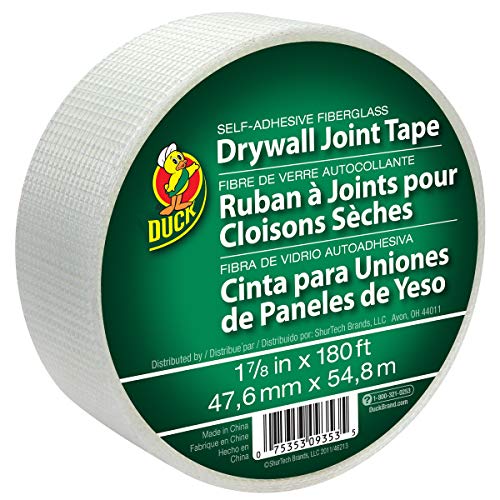
This Duck Brand tape uses 100 percent fiberglass mesh and is self-adhesive, allowing for quick placement without pre-coating joint compound. The fiberglass mesh provides solid reinforcement for seams, reducing the likelihood of cracks reopening after sanding and painting. The repositionable adhesive helps workers adjust alignment in tight corners or awkward areas, which can save time on complex drywall jobs or remodeling projects.
For projects that demand speed and reliability, this tape delivers straightforward performance. It’s particularly helpful for repairs or additions where access is limited or where traditional pre-applied compounds are impractical. While it may require a second coat to perfect the finish, its ease of use makes it a popular choice for both pros and homeowners tackling medium-sized drywall tasks.
LYLTECH 13 Mesh Fiberglass Tape

LYLTECH’s 13-mesh fiberglass tape features a 0.8 mm thickness constructed from high-density fiberglass mesh. This design yields strong tensile strength and excellent alkali resistance, making it suitable for challenging environments and long-term durability. The tape is self-adhesive and repositionable, simplifying alignment and reducing the need for pre-application of joint compound. It performs well in corners and along long seams where precise folding and consistent adhesion matter most.
Professionals often appreciate the tape’s reliability in demanding installations. Its adhesive system maintains grip across multiple coats, helping to minimize movement or edge lifting during sanding. The combination of strong adhesion and flexible handling makes it a versatile choice for new builds, renovations, and high-traffic wall surfaces where crack prevention is essential.
LLPT Drywall Fiberglass Tape

LLPT’s industrial-strength fiberglass tape is designed for durable seam reinforcement and long-lasting repairs. Its high-bonding mesh is built to resist tearing and shrinking under wear, making it suitable for both interior and exterior drywall surfaces. A key feature is its self-adhesive quality, which allows users to stick the tape directly over cracks without pre-coating with joint compound, expediting the repair process for walls, ceilings, and repair patches.
Durability is a standout aspect of LLPT’s tape, with performance claims that it can endure extended periods under putty, spackle, and paint. The tape’s cold and high-temperature resistance makes it versatile for various climates and job sites. For contractors and seasoned DIYers, LLPT provides a reliable option for long stretches of seams and high-stress areas such as doorways and large wall panels.
QILIMA Self-Adhesive Fiberglass Tape
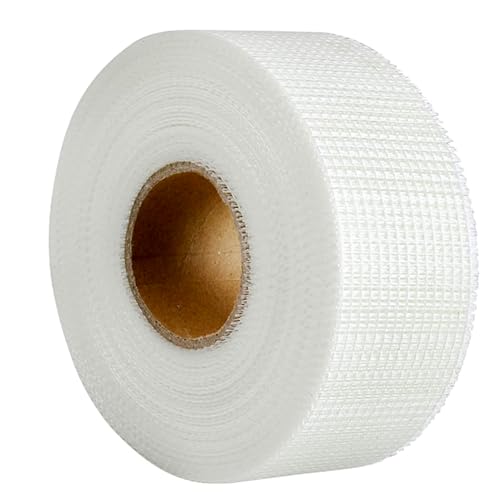
QILIMA offers a self-adhesive fiberglass tape designed for quick crack patching and seam reinforcement. The mesh is made from quality fiberglass with a 1.97 inch (50 mm) width and 148 feet length, providing ample coverage for standard drywall repairs. The tape emphasizes strong adhesion and a straightforward application process, with the option to reposition during initial placement. It’s particularly effective for quick fixes where speed and reliability are prioritized over precision at the taping stage.
Ideal for homeowners and renovation projects, QILIMA’s tape can streamline the repair workflow by reducing the need for pre-coating and allowing faster progression to the finishing coats. While it performs well in many setups, larger commercial jobs may benefit from higher-volume options or tapes with added stiffness for long runs. Overall, it’s a solid option when quick repair work is required without sacrificing long-term seam integrity.
Buying Guide
Key Considerations When Choosing Joint Tape
Type matters: fiberglass mesh tapes deliver strength and flexibility, while paperless tapes like FibaFuse reduce blistering and can smooth finish workflows. Consider the project’s scale, whether you’re repairing cracks or finishing new seams, and the climate conditions that can affect adhesion and curing.
Adhesion and prep: self-adhesive tapes simplify application but may require light pressure to set properly. For some projects, a light coat of joint compound under the tape improves bonding and helps the finish stay flat. In areas with high humidity or temperature fluctuations, choose tapes with proven alkali resistance and moisture tolerance.
Size, Thickness, And Coverage
Roll length and width influence how often you’ll need to replace tape, especially on large rooms. Tape thickness (0.8 mm to thicker) impacts flexibility and corner performance. For corners and long seams, look for tapes with good fold retention and minimal curling to avoid rework.
Durability And Repair Scenarios
Durability matters more on high-traffic walls, kitchens, and basements. Tapes marketed as high-strength or industrial-grade typically resist tearing, cracking, and shrinking under putty and paint. If you expect frequent repairs or renovations, a tape with strong alkali resistance and long-term stability is advantageous.
Ease Of Use And Professional Fit
Self-adhesive tapes save time, but some users prefer tapes that allow repositioning during placement. Consider your comfort with pressing and feathering seams, as well as whether you plan to work alone or with a helper. For tricky corners, a tape that folds well and maintains shape reduces touch-ups later.
Project Type And Budget Considerations
DIY projects benefit from user-friendly tapes with predictable results and minimal additional materials. For larger contractor jobs, investing in high-performance tapes with proven durability can reduce labor time and rework. Compare the total roll coverage and per-foot cost to estimate how many rolls you’ll need for your project scope.