Best Handsaws for Woodworking: Top Tools for Clean, Precise Cuts
Woodworking relies on precision, and the right handsaw can make the difference between a sharp, clean edge and a frustrating tear-out. This guide highlights five top handsaws that suit a range of tasks—from flush cuts and fine joinery to quick crosscuts and dovetails. Each pick balances sharp blades, durability, and comfortable handling, drawing on Japanese pull-saw designs and traditional Western styles. Whether you’re a hobbyist or a professional, these tools are designed to deliver consistent results with minimal effort.
Below is a quick table with the five chosen saws, highlighting each tool’s standout feature to help you compare at a glance.
| Product | Brand | Notable Feature |
|---|---|---|
| RUITOOL Six Inch Japanese Pull Saw | RUITOOL | SK5 blade, 6″ length, flush cuts |
| SUIZAN Flush Cut Saw Five Inch | SUIZAN | Pull saw design, made in Japan |
| SUIZAN Ryoba Double Edge Saw Nine Point Five Inch | SUIZAN | Dual-edge for versatile cuts |
| Jorgensen Japanese Pull Saw Seven And A Quarter Inch | Jorgensen | 17 TPI, SK5 blade, soft grip |
| SUIZAN Dozuki Dovetail Saw Six Inch | SUIZAN | Dovetail saw, Japanese steel |
RUITOOL Six Inch Japanese Pull Saw

The RUITOOL pull saw features a 6-inch blade crafted from SK5 high-carbon steel, designed to deliver precise flush and finish cuts. Teeth are hardened via a Japanese high-frequency process, achieving an HRC range of 60–63 for durable sharpness. The blade’s double-edge Ryoba design adds versatility for different cut types, while the beech handle provides a comfortable grip during prolonged use. This saw excels at close-quarter work where clean edges matter most.
With a compact profile and a flexible blade, it is well-suited for trimming tasks, dowel work, and fine joinery. Regular maintenance—keeping the blade dry and clean—helps preserve edge retention and blade life. The combination of a precise cutting edge and a responsive feel makes this saw a dependable choice for detailed woodworking tasks.
- 6″ SK5 steel blade for precise flush cuts
- High-frequency hardened teeth (HRC60–63)
- Beech handle for comfortable, secure grip
SUIZAN Flush Cut Saw Five Inch

This five-inch flush cut saw from SUIZAN is a traditional pull saw, designed for cleaner edges with less effort compared to push saws. Made from high-quality Japanese steel, it delivers razor-sharp cuts and is manufactured in Japan by skilled craftsmen. The pull-cut action reduces drag and produces smoother surfaces, making it ideal for trimming delicate parts and final adjustments in fine woodworking projects.
Ideal uses include cabinetry work, trimming dowels, and precise end trimming where a fine finish is essential. Lightweight construction and the pull-saw action help minimize hand fatigue during extended sessions. Regular inspection of the blade and gentle maintenance will help sustain edge retention and cutting performance over time.
- Pull saw design for cleaner, lighter cuts
- Top-quality Japanese steel for sharp edges
- Made in Japan by craftsmen
SUIZAN Ryoba Double Edge Saw Nine Point Five Inch

The nine-point-five-inch SUIZAN Ryoba is a dual-edge pull saw designed for versatility. Its Japanese steel blade provides clean cuts, and the product is manufactured in Japan by experienced craftspeople, ensuring traditional quality and precision. The pull-saw design makes it lighter than many push saws, enabling effortless control for both crosscuts and rip cuts with a smoother edge finish.
With a long, flexible blade and a comfortable grip, this saw excels in tasks that require varied cut angles and precise control. The combination of dual-edge teeth and a durable construction makes it suitable for fine woodworking, cabinetry, and hobbyist projects where clean, accurate results are essential.
- Dual-edge blade for versatility
- Japanese steel for sharp, durable cuts
- Made in Japan with traditional craftsmanship
Jorgensen Japanese Pull Saw Seven And A Quarter Inch
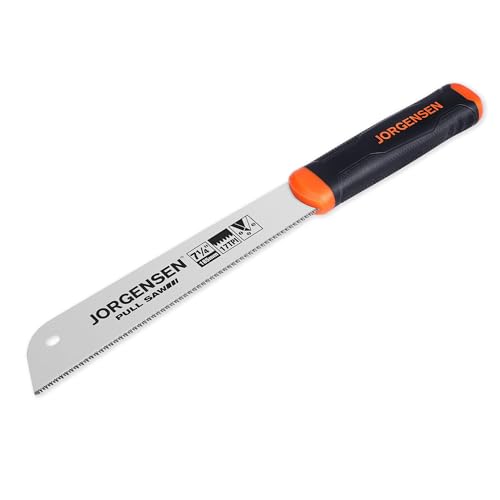
The Jorgensen seven-and-a-quarter-inch pull saw is engineered for detailed woodworking and fine finishing. It features a SK5 steel blade with 17 TPI triple-ground teeth, hardened to a high level (HRC58–66). The blade’s multi-angle tooth design enables precise cross sections, while the thinner blade and light weight reduce effort and improve edge quality. The soft grip handle enhances comfort and control for extended use, supporting accurate, repeatable cuts.
Designed for smooth, fast cutting, this saw is well-suited for fine joinery, inlay work, and small-scale carpentry where precision and edge quality matter. Proper care—keeping the blade clean and dry—helps maintain sharpness and blade life over time.
- 17 TPI triple-cut teeth with SK5 blade
- Soft, non-slip handle for secure control
- Lightweight, precise edge with smooth cutting
SUIZAN Dozuki Dovetail Saw Six Inch

The SUIZAN Dozuki Dovetail Saw is a six-inch pull saw designed for precision dovetail and fine joinery. Like other SUIZAN tools, it uses top-quality Japanese steel and is manufactured in Japan by master craftsmen. The Dozuki style delivers controlled, accurate cuts with less effort, making it a staple for furniture makers and cabinetmakers who require tight, decorative joints.
Its lightness and the pull-cut action reduce binding and improve edge quality on intricate work. Regular maintenance—keeping the blade dry and ensuring the handle remains comfortable—helps preserve performance and longevity for years of use in hobby or professional settings.
- Dozuki style for precise dovetails
- Japanese steel for sharp, consistent cuts
- Made in Japan with traditional craftsmanship
Buying Guide
When selecting a handsaw for woodworking, consider the intended tasks, material types, and preferred handling. This guide summarizes key purchase considerations and how different features affect performance, enabling a balanced choice across a range of project needs.
Blade Type And Cutting Action
Pull saws, common in Japanese tools, cut on the pull stroke. They are typically lighter and produce cleaner edges with less effort than push saws, making them ideal for flush cuts, joinery, and finishes. Dozuki and Ryoba designs offer specialized cut options—Dozuki for precise joints like dovetails, Ryoba for versatile crosscut and rip tasks. For rough framing, a longer, stiffer blade may be preferable, whereas fine joinery benefits from a thinner, more flexible blade.
Blade Material And Hardness
Blade material impacts edge retention and durability. SK5 steel blades are common in high-quality Japanese saws and provide a balance of hardness and toughness. Some blades offer high-frequency hardening to reach a hardness range around HRC60–63 or similar, which helps maintain sharpness through repeated cuts. Higher hardness can improve edge life but may reduce fracture resistance, so users should balance hardness with flexibility for their typical workloads.
Tooth Configuration And TPI
Tooth count influences cut speed and finish quality. Higher TPI (teeth per inch) yields finer, smoother cuts but can slow progress on tougher woods. Thinner blades with finer teeth are preferred for fine joinery and flush cuts, while coarser teeth cut quickly on softer woods or rough stock. Some blades feature triple-ground teeth for sharper edges and easier cutting through various materials.
Blade Length And Flexibility
Blade length affects reach, leverage, and control in confined spaces. Shorter blades are nimble for detail work, while longer blades enable broader, faster cuts across wider surfaces. Flexibility is critical: overly stiff blades resist deflection, but too much flex can lead to wavy cuts. For many hobbyists, a mid-length blade with balanced stiffness offers the best compromise for diverse projects.
Handle Design And Comfort
A comfortable, non-slip handle reduces fatigue and improves control during extended sessions. Ergonomic shapes that fit the hand securely help maintain accurate cuts, especially when cutting at awkward angles. Some handles use natural materials such as wood or synthetic composites designed to minimize slip even in sweaty conditions.
Maintenance And Care
Keep blades dry after use to prevent rust and corrosion. Wipe away debris and store in a dry environment. Periodic light honing or removing small burrs helps preserve edge quality. If a blade becomes dull, consider proper sharpening or professional resharpening to restore performance rather than forcing rough cuts that may damage workpieces.
Brand And Craftsmanship
Traditionally crafted Japanese saws are often highly regarded for precision and longevity. SUIZAN and Jorgensen are among the brands highlighted here for reliable quality and consistent performance. When evaluating options, consider whether the tool is manufactured in Japan or by a recognized craftsman brand, as this can correlate with tolerances, edge quality, and long-term durability.
Value For Project Type
Choose based on your typical tasks. For fine cabinetry and joinery, a dual-edge Ryoba along with a dovetail Dozuki covers most needs. For quick flush cuts and trimming, a shorter pull saw with a sharp edge is ideal. If you frequently work with hardwoods and need precise dovetail joints, prioritizing Dozuki or specialized dovetail blades will yield the best results. Budget-conscious buyers should weigh whether a mid-range blade with solid steel and reliable teeth meets their primary needs before upgrading.