Best Handheld Drywall Sander for Smooth, Dust-Free Finishes
Choosing the right handheld drywall sander can dramatically improve finish quality and reduce cleanup on remodeling projects. For DIYers and professionals alike, models with integrated dust collection, variable speed control, and extendable reach offer the best balance of power and maneuverability. This guide highlights five top handheld drywall sanders that stand out for vacuum performance, ergonomic design, and reach. Each product is linked to its Amazon listing for quick comparison, and the buying guide below helps you weigh motor power, dust management, weight, and disc compatibility.
| Product | Brand | Key Feature |
|---|---|---|
| VEVOR Drywall Sander With Vacuum | VEVOR | 800W motor; 1200–2300 RPM; automatic dust removal; dual LED lights |
| WEN DW1085 Drywall Sander | WEN | 10-amp variable speed; 1500–2300 RPM; reversible auxiliary handle |
| MAXXT Handheld Drywall Sander | MAXXT | 810W; 1500–2800 RPM; adjustable suction; LED light |
| Protmex Drywall Sander | Protmex | 1000W copper motor; 800–2200 RPM; built-in vacuum; extendable pole |
| Cozyel Variable Speed Drywall Sander | Cozyel | 1200–2500 RPM; automatic dust system; suction power knob; LED light |
VEVOR Drywall Sander With Vacuum

The VEVOR model delivers a balanced combination of power and suction. Its 800W brush motor provides strong sanding capability while the stepless 1200–2300 RPM range accommodates both rough and fine work. A standout feature is the automatic dust removal system, which can absorb more than 90% of drywall dust when paired with a compatible vacuum. This reduces airborne particles and makes cleanup easier. The tool also includes a detachable edge sanding capability and dual LED lights to illuminate work surfaces in tight corners and ceiling recesses. Its 12 sanding discs offer a ready-to-go solution for quick projects and larger renovations alike. The included soft hose and suction pipe enhance dust collection efficiency and compatibility with common vacuum cleaners.
WEN DW1085 Drywall Sander
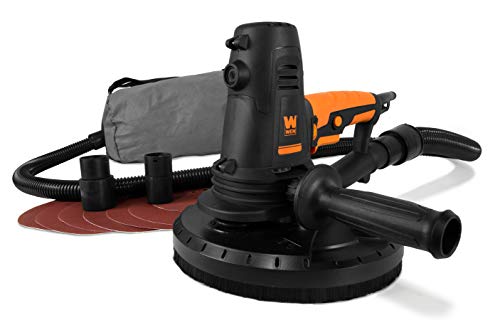
The WEN DW1085 offers a versatile, motor-driven sanding experience with a 10-amp motor and a variable speed range of 1500 to 2300 RPM. The reversible auxiliary handle supports both left- and right-handed users, improving comfort during extended sessions. WEN emphasizes dust collection efficiency by optimizing hole configuration to maximize debris capture. Note that the sandpaper compatibility is primarily with DW series replacements, making it ideal for ongoing DW projects where a matching system is already in use. This sander provides solid performance for mid-sized jobs and projects that require stable dust control.
MAXXT Handheld Drywall Sander

The MAXXT sander focuses on a blend of rough and fine sanding with a two-stage approach. It features an 810W motor delivering 1500–2800 RPM, enabling rapid material removal and smooth finish work. A built-in suction system and an upgraded pad design help minimize dust exposure, while an LED light improves visibility across flat walls and ceilings. The aluminum base plate increases durability and helps maintain flatness during aggressive sanding. With a self-contained dust-extraction capability and a stable power profile, MAXXT is well-suited for contractors handling larger wall refinishing or popcorn-ceiling removal projects.
Protmex Drywall Sander With Vacuum

The Protmex drywall sander centers on high power and high efficiency. It uses a 1000W copper motor with a six-speed variable range from 800 to 2200 RPM, delivering strong performance across different tasks, from heavy material removal to fine finishing. A built-in vacuum system with a six-hole sanding disc design yields strong dust suction—claimed up to 98.5% in typical use—helping maintain a cleaner workspace. The retractable aluminum pole extends from about 4.9 feet to 6.2 feet, making it adaptable for reaching high ceilings. A foldable and compact form supports easy transport and storage for job sites.
Cozyel Variable Speed Drywall Sander

The Cozyel sander emphasizes adjustable suction power and a clear LED-lit work area. With a 1200–2500 RPM range and a dust-collection system that integrates a hose and collection bag, this model supports cleaner sanding in both vertical and overhead tasks. The 130-inch power cord offers extended reach, while the multi-hole pad system increases compatibility with various sanding discs. The body is constructed from durable engineering plastic, and the grip is designed to reduce fatigue during long sessions, making it a practical option for DIY projects and professional use alike.
Buying Guide
When choosing a handheld drywall sander, consider five core areas: power and speed, dust control, reach and ergonomics, disc compatibility, and overall value. Power and speed determine how quickly you can remove material and how fine a finish can be achieved. Vacuum systems vary greatly in effectiveness; models with built-in dust extraction generally deliver cleaner air and less cleanup, but verify compatibility with common vacuums and dust bags. Reach is important for ceilings and tall walls; look for extendable poles and lightweight designs to reduce fatigue. Finally, ensure the sanding discs and pads are readily available and affordable, and check for durable construction and warranty coverage. Below are targeted comparisons to help guide your decision.
Power and Speed
Most consumer handheld sanders for drywall operate in a range from roughly 800 to 2500 RPM. Higher speeds remove material faster but can generate more dust and heat, so a variable-speed control is valuable for adapting to surface conditions. Models with a broader RPM range offer greater versatility across textured surfaces, joint compound, and plaster. Consider your typical projects; DIY jobs may benefit from mid-range speeds and robust dust extraction, while pros handling ceilings may require higher torque for stubborn areas.
Dust Control and Filtration
A built-in vacuum system is the single most impactful feature for a cleaner workspace. Look for units that advertise high dust capture percentages and compatible dust collection accessories. Some sanders rely on external vacuums, which is fine if you already own a shop vac with strong suction. Check disc design—six-hole or multi-hole patterns generally improve suction across the surface. Vacuum compatibility and replacement filters or bags should be affordable and readily available to keep ongoing maintenance costs reasonable.
Reach, Weight, and Ergonomics
Ceiling and high-wall work requires an extendable pole and a lightweight tool. Retractable or telescoping poles add versatility but can slightly increase weight; ensure the total weight remains comfortable for extended sessions. Ergonomic handles, including reversible ones, help reduce user fatigue and accommodate left- or right-handed users. LED lighting is a practical enhancement for dim areas and helps ensure an even finish on imperfect surfaces.
Disc Compatibility and Accessories
Most drywalls sanders use standard sanding discs, but dealer availability and pricing can vary. Confirm the disc size (commonly 5-inch or 6-inch) and hole pattern compatibility with your preferred discs. Some tools come with a starter set of discs and a bag or hose for dust collection; others may require separate purchases. A robust accessory ecosystem—including extension poles, replacement pads, and compatible hoses—adds long-term value to the investment.
Value, Durability, and Warranty
Durability is a practical consideration for frequent users. Aluminum bases and reinforced housings tend to withstand more wear than plastic-only designs. Check for a reasonable warranty and responsive customer support, which can matter when dealing with vacuum-related clogging or motor wear. While higher-priced models often deliver more features and stronger dust control, the best choice balances price with your specific project needs, frequency of use, and setup preferences.