Best Glue for Composite Wood: Durable, Weather-Resistant Bonding
Choosing the right adhesive for composite wood means weighing water resistance, cure time, color, and finish compatibility. The following selections cover waterproof and interior glues, fast-acting options, and multi-surface formulas suitable for hardwoods, softwoods, and engineered wood composites. The table below highlights five top options with practical benefits for DIY repairs and professional projects alike.
| Product | Brand | Key Benefit |
|---|---|---|
| Gorilla Ultimate Waterproof Wood Glue (18 oz) | GORILLA | Durable, weatherproof bond; ANSI/HPVA Type I |
| Titebond III Ultimate Wood Glue, 16 oz | Titebond | Very strong, heat resistant; cleans up with water while wet |
| Gorilla Wood Glue (8 oz) | GORILLA | Indoor/outdoor use; quick set; versatile with many woods |
| Weldbond Wood Glue (5.4 oz) | Weldbond | Multi-surface bonds; fast dry; clear and sandable |
| Titebond Original Wood Glue 5063 (8 oz) | Titebond | Industry-standard wood glue; reliable for repairs and assemblies |
Gorilla Ultimate Waterproof Wood Glue

This glue is designed for indoor and outdoor applications, delivering a Gorilla Tough bond that withstands water, sun, and extreme temperatures. It passes ANSI/HPVA Type I, signaling robust moisture resistance suitable for exterior projects or damp interiors. The working time is extended to about 15 minutes, allowing a careful alignment before the bond sets. When cured, the adhesive resembles a natural tan wood color, blending with most wood tones. It is versatile across hardwoods, softwoods, and natural wood composites, making it a practical all-purpose option for composite wood projects exposed to the elements.
In practice, users appreciate the combination of durability and forgiving open time. For outdoor repairs to deck boards, fence rails, or weathered furniture, this Gorilla glue provides long-lasting resistance to water and temperature shifts. Its water resistance contributes to a dependable repair in humid environments, and the color helps conceal repairs on visible surfaces. While the 15-minute working window suits many projects, larger assemblies may benefit from pre-fit planning and clamping in stages. Always follow the instructions for clamping duration and cure time to maximize bond strength.
Considerations for composite wood users include compatibility with engineered cores and laminates. The formula is designed to penetrate wood fibers deeply and cure into a rigid, durable bond, making it a solid choice for repairs where moisture exposure is likely. If your project requires a natural, tan finish and outdoor durability, Gorilla Ultimate Waterproof Wood Glue is a leading option to keep joints strong over time. It also cleans up relatively easily with water when wet, aiding in minor adjustments during assembly.
Titebond III Ultimate Wood Glue

Titebond III is renowned for creating bonds stronger than the wood itself, making it a preferred choice for critical carpentry and repairs. It offers excellent heat resistance and remains relatively easy to sand after curing, supporting a smooth finish on stained or painted surfaces. A notable advantage is its water cleanup while still wet, which reduces mess during assembly and allows for quick corrections. This glue is suitable for exterior and interior woodworking, including cabinetry, furniture, and structural components where moisture exposure is possible.
Bonding strength is a defining feature of Titebond III. It performs well on a variety of woods, including softwoods and hardwoods, and can be used for projects requiring resilience in humid or variable climates. The combination of strong initial grab, strong final bond, and easy cleanup makes it a versatile staple in both professional shops and home workshops. For composite wood, ensure proper clamping and alignment to optimize the bond across layers, veneers, and cores. Titebond III offers dependable performance across a wide range of conditions.
When considering finish options, note that the glue cures to a neutral tone that tends to take stain well. This makes it suitable for visible joints in furniture and decorative items. As with any yellow or aliphatic resin glue, provide adequate ventilation and follow safety guidelines. If your project involves high-moisture environments or exterior exposure, Titebond III is a widely trusted choice that balances strength, workability, and cleanup convenience.
Gorilla Wood Glue
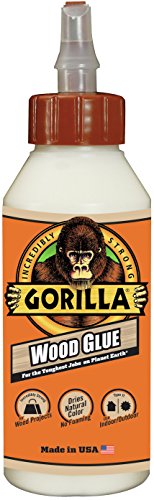
This 8-ounce bottle of Gorilla Wood Glue is designed for indoor or outdoor use, with ANSI/HPVA Type II water resistance. It delivers quick project completion by enabling strong bonds with relatively fast clamping windows—about 20–30 minutes—followed by a full cure in approximately 24 hours. The glue bonds effectively with hardwoods, softwoods, and natural wood composites, making it a versatile option for a broad range of woodworking tasks, from furniture repair to general construction. Its tan color blends well with many wood finishes, reducing visibility of joints on finished pieces.
Performance emphasizes ease of use and reliability. The bond is strong enough for structural furniture and repair work, and the product’s exterior-friendly moisture resistance broadens its appeal for outdoor projects like planters or garden benches. For composite wood applications that require a clean finish, plan aesthetics around the joint, and consider pre-smoothing the bonding surfaces to maximize the final appearance. With proper clamping and curing, Gorilla Wood Glue yields durable, enduring joints across diverse wood types.
Users value the dependable, widely available brand and the product’s straightforward approach to bonding. Whether you are assembling a cabinet, fixing a chair, or tackling small repairs around a workshop, this glue provides a practical balance of strength, work time, and finish compatibility for many wood-based projects involving composites.
Weldbond All-Purpose Wood Glue

Weldbond stands out as a versatile, all-purpose glue suitable for woodworking and beyond. It bonds most surfaces, including glass, ceramic tile, mosaic stones, pottery, and even certain metals, making it a go-to option for mixed-media projects and crafts. The formula is water-resistant, weatherproof, and permanent, with quick-dry clear results that reduce visible glue lines. It dries clear in about 20 minutes and typically requires no clamping, which can speed up small repairs and model-building tasks.
The product doubles as a craft and carpentry adhesive, offering sandable and paintable properties that ease finishing. Its non-toxic PVA composition is a notable safety feature for hobbyists, schools, and households. For composite wood projects that involve delicate finishes or decorative surfaces, Weldbond provides a reliable, multi-material bond that remains flexible enough for long-term performance while maintaining a clear appearance. This makes it particularly useful for mosaics, furniture accents, and light-weight structural repairs where multiple materials meet.
In practice, Weldbond can be an excellent choice when a single adhesive is needed across a range of applications. The fast-drying, clear finish helps keep repairs discreet, and its broad bonding scope supports projects that involve composite substrates in addition to traditional wood. As with any glue, surface preparation and proper curing conditions significantly influence the final strength of the bond, so ensure surfaces are clean, dry, and properly aligned before joining.
Titebond Original Wood Glue 5063

The Titebond Original Wood Glue 5063 is widely regarded as an industry-standard for woodworking, furniture repair, and general assembly. This 8-ounce bottle from Franklin International remains a trusted choice for professionals and hobbyists alike. The product note indicates it is manufactured in the United States, reinforcing its reputation for consistent performance and availability. The glue is easy to apply, forms a strong initial grip, and finishes well when properly cured. It is well-suited for interior projects where long-term durability and ease of use are essential.
For composite wood projects that require reliable, conventional wood bonding, Titebond Original offers a dependable option without specialized moisture barriers. While it may not be labeled as waterproof, its strong bond and long history of use in cabinetry, furniture, and repairs make it a versatile baseline glue for many indoor applications. Proper surface preparation—clean, dry surfaces and appropriate clamping—will maximize bond quality and reduce the risk of joint failure in composite assemblies.
Titebond 1413 III Ultimate Wood Glue

Titebond 1413 III Ultimate Wood Glue is designed for exterior and interior woodworking, offering substantial water resistance and robust bonding properties. A notable feature is the one-hour clamp time, enabling reliable joints for projects that require a quicker staging process without sacrificing strength. The formula cleans up with water, simplifying the cleanup after assembly. This makes it a practical choice for outdoor furniture, exterior trim, and other applications where exposure to moisture is a concern and a strong, durable bond is essential.
Applied correctly, 1413 III performs well on a variety of wood types and composites, including engineered panels used in furniture and cabinetry. It is particularly suitable for projects where longer-term exposure to moisture is a factor, though it remains user-friendly enough for hobbyists. As with all wood glues, proper surface preparation—removing dust, oils, and old finishes—improves adhesion and reduces the risk of joint failure in composite assemblies.
Buying Guide
Choosing the right glue for composite wood depends on several key factors. Consider moisture exposure, environment, and the expected life of the joint. For exterior or damp environments, prioritize waterproof or Type II/Type I formulations, such as Gorilla Ultimate Waterproof Wood Glue or Gorilla Wood Glue with external resistance. For interior furniture or cabinetry, interior-grade glues with strong bonding and clean finishes may suffice, like Titebond Original or Weldbond for multi-surface needs.
- Moisture and weather resistance: If the project will see rain, humidity, or damp basements, select glues explicitly rated for outdoor use or high moisture environments.
- Open time and clamp time: Longer working times help with alignment on complex joints; shorter times speed up production but require precision and planning.
- Finish and appearance: Color and finish compatibility matter for visible joints. Tan or clear formulas suit different substrates and finishes.
- Wood type compatibility: Some glues perform better on hardwoods, others on softwoods or engineered composites. Check manufacturer guidance for composite substrates.
- Ease of cleanup and safety: Water-based formulas clean up easily when wet and typically have lower odor; non-toxic options are preferable for indoor projects or classrooms.
- Bond strength versus wood failure: In high-stress assemblies, a glue that surpasses the wood’s own strength protects joints from failure under load.
- Brand availability and support: Established brands offer consistent quality and wider retailer access, which can matter for long-term projects.
In practice, no single glue fits every composite wood scenario. For outdoor furniture or decks, prioritize waterproof, weatherproof formulations with reliable cure times. For interior cabinetry or decorative pieces, a clean, finish-friendly bond with easy cleanup may be ideal. For mixed-media crafts, adhesives with multi-surface bonding capabilities provide flexibility. Evaluate the specific joint demands—shear strength, gap tolerance, and exposure—to select the best option from the five highlighted products. By aligning product properties with project requirements, you can achieve durable, professional-grade joints on composite wood.