Best Gloves for HVAC Professionals: Protection, Dexterity, and Durability
HVAC work demands gloves that protect against cuts and abrasions while preserving tactile sensitivity for precise tasks. Technicians frequently handle sheet metal, fasteners, insulation, and oily tools, making grip, breathability, and touchscreen compatibility important. The following gloves are among the most suitable options for HVAC environments, balancing protection, dexterity, and comfort across a range of tasks—from ductwork installation to maintenance and repair. Below, you’ll find concise comparisons and a buying guide to help you choose gloves that fit your daily workflows.
| Product | Brand | Best For |
|---|---|---|
| Schwer ProGuard High-Cut Gloves | Schwer | Extreme cut protection for sharp-edged tasks |
| LOCCEF MicroFoam Nitrile Gloves (6 Pairs) | LOCCEF | Good grip in light oils; comfortable all-day wear |
| Cestus HandMax Heavy Duty Gloves | Cestus | High abrasion resistance for rough, outdoor work |
| HANDLANDY Touchscreen Work Gloves | HANDLANDY | Flexible, padded protection with touch-screen use |
| NEOTRIL MicroFoam Nitrile Gloves (3 Pairs) | NEOTRIL | Breathable, versatile for light-duty handling |
Schwer ProGuard High-Cut Gloves

The Schwer ProGuard line is designed for the highest level of cut resistance, aligning with ANSI A9 standards. For HVAC technicians, this level of protection is valuable when working with sharp sheet metal edges, slitter blades, or rough ductwork. The gloves incorporate state-of-the-art yarn technology to provide 360-degree protection while remaining relatively lightweight. The sandy nitrile coating offers excellent abrasion resistance and anti-slip performance, especially in wet or greasy conditions common in HVAC environments. Reinforced thumb crotches significantly enhance durability, reducing wear over repeated use and extended shifts. While not explicitly marketed as touchscreen-compatible, the overall design prioritizes dexterity and breathability, helping to reduce hand fatigue during long jobs. If your work involves high-risk cutting hazards or frequent tool changes near metal edges, these gloves deliver robust protection without sacrificing control.
Key features include:
- ANSI A9 cut resistance with reinforced thumb areas for durability
- Brightened grip in wet and oily environments thanks to a sandy nitrile coating
- Lightweight 13-gauge knit construction promoting airflow and reduced heat buildup
- Durable build intended for extended wear and demanding tasks
LOCCEF MicroFoam Nitrile Coated Gloves
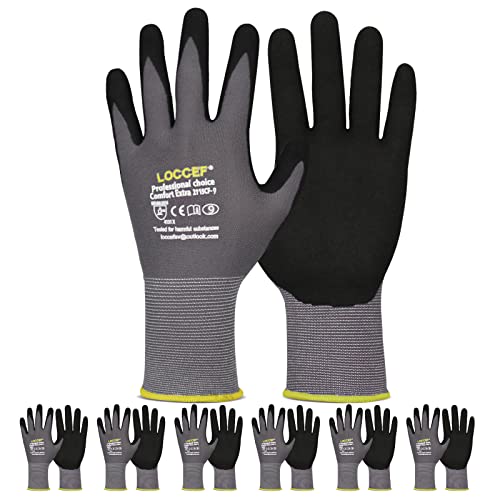
LOCCEF gloves pair a seamless knit nylon shell with a microfoam nitrile coating to deliver steady grip and abrasion resistance. The design emphasizes comfort and breathability, making them suitable for all-day HVAC tasks that require tactile precision, such as panel installation or thermostat wiring. The seamless liner and added spandex ensure a snug fit with reduced hand fatigue, while the knit wrist helps keep debris out of the glove during dirty or dusty jobs. The coating is compatible with light oils, providing reliable grip without overly stiff or bulky feel. These gloves strike a balance between sensitivity and protection, which is particularly helpful when handling small fasteners or wiring components.
Key features include:
- Good grip and abrasion resistance in light oil conditions
- Breathable, comfortable 3D fit with a seamless liner
- Lightweight and flexible for easy manipulation of tools
- Wrist knit design to prevent debris intrusion
Cestus HandMax Series Gloves

The Cestus HandMax line is engineered for heavy-duty work and high abrasion environments, making them well-suited for HVAC tasks that involve rough surfaces, framing, or construction work around the unit. They offer a snug, secure fit across multiple sizes, including XL and 2XL, which can be important for technicians who wear additional protective gear or need a comfortable, all-day fit. The gloves emphasize versatile protection and grip, supporting contractors and technicians who deal with metal, plastics, and rigid insulation. For HVAC professionals performing exterior work or assembly in tight spaces, these gloves provide robust protection without sacrificing maneuverability.
Key features include:
- High abrasion resistance for demanding environments
- Multiple available sizes for a secure, all-day fit
- Enhanced grip and versatile protection across various tasks
HANDLANDY Touchscreen Gloves

HANDLANDY focuses on flexible, breathable protection with touchscreen accessibility. The back of the glove uses stretchable spandex for ventilation, helping keep hands cool during long HVAC sessions. The synthetic leather and padded knuckles offer a buffer against impact and abrasion while maintaining dexterity for wiring, thermostat installation, or panel adjustments. The gloves are designed to be comfortable in warm environments and enable technicians to operate mobile devices without removing gloves, a practical feature for service calls and on-site diagnostics. If you prioritize tactile sensitivity and ease of use with electronic devices, HANDLANDY provides a favorable blend of comfort and functionality.
Key features include:
- Flexible, breathable back for airflow
- Touchscreen fingertips for device operation without removal
- Padded knuckles to reduce impact and protect the hand
NEOTRIL MicroFoam Nitrile Gloves

NEOTRIL’s MicroFoam nitrile-coated gloves are designed for light-duty handling with a focus on environmental comfort. The 13-gauge knit nylon seamless shell provides a 360-degree breathability that helps keep hands dry, even during longer shifts. The microfoam coating offers reliable grip and control in damp, wet, and oily conditions, which is beneficial when moving lubricants, cleaning solutions, or metal parts around HVAC equipment. The ergonomic 3D snug fit improves fingertip sensitivity, enabling precise placement of screws, terminals, and connectors without sacrificing protection.
Key features include:
- Excellent grip in damp and oily conditions
- Breathable, seamless nylon shell for comfort
- Touch-friendly design for smartphone or tablet use
Buying Guide
Choosing the right HVAC gloves involves balancing protection, dexterity, and comfort across varied tasks. Here are essential considerations to guide your selection:
Protection Level and Work Type
For sharp-edged work or metal fabrication, higher cut resistance (ANSI levels like A6 or A9) helps reduce the risk of lacerations. If your tasks include handling rough surfaces, securing fasteners, or moving metal ducts, consider gloves with reinforced seams and robust coatings. For more delicate or precision tasks, prioritize dexterity and thinner coatings to preserve tactile feel.
Grip in Oil, Grease, and Wet Surfaces
Coatings such as microfoam nitrile provide reliable grip in damp or oily conditions. A coating that stands up to kitchen oils, solvents, or lubricants common in HVAC work helps maintain control while handling tools, screws, and small components. Look for coatings that push grease away from the grip area and maintain a secure hold without adding excessive bulk.
Breathability and Comfort
Breathable knit backs and lightweight 13- or 15-gauge constructions reduce heat buildup during long service calls. Gloves with good airflow help prevent sweaty hands and fatigue, enabling technicians to work more efficiently through multi-visit projects or extended maintenance tasks.
Dexterity and Touchscreen Compatibility
Touchscreen-compatible options save time on service calls where you must interact with tablets, diagnostics tools, or smart devices. A snug, flexible fit across the fingers preserves precision for wiring and small fasteners while enabling device use without removing gloves.
Durability and Fit
Durability is influenced by material quality, stitching, and reinforcement in areas such as the thumb crotch or fingertips. A glove that fits well reduces fatigue and increases control. Availability in multiple sizes helps accommodate technicians with varying hand sizes and those who wear liners or additional PPE.
Maintenance and Longevity
Consider whether gloves are machine washable or require hand washing. Reusability and ease of cleaning extend the life of gloves in dusty or dirty HVAC environments, reducing replacement frequency and cost over time.
Cost-Benefit Perspective
While higher-grade cut-resistant or coated gloves may have a higher upfront cost, they can offer longer life and improved safety in demanding workplaces. Weigh the level of protection against typical tasks and the daily wear you expect to encounter to determine the best value for your toolkit.