Best Flush Cut Saw for Precise Woodworking and Finishing
Flush cut saws deliver clean, flat joints by cutting on the pull stroke, making them ideal for dowels, pegs, and tight workspaces. Japanese pull saws emphasize lighter cuts, precise edges, and less effort than traditional push saws. This guide highlights five top picks that balance durability, edge quality, and ergonomic handles, helping woodworkers choose the best flush cut saw for cabinetry, furniture making, and fine carpentry.
All five options feature SK5 steel or similar high-carbon blades, designed to stay sharp under routine use. They cut on the pull stroke to reduce resistance and kerf width, which minimizes tear-out in delicate joinery and makes finish work easier.
| Product | Brand | Blade Length | Edge Type | Noted Feature |
|---|---|---|---|---|
| SUIZAN 5-Inch Flush Cut Saw | SUIZAN | 5″ | Double Edge | Japanese pull saw; Made in Japan |
| RUITOOL 6-Inch Double Edge Ryoba Saw | RUITOOL | 6″ | Double Edge | SK5 steel; 14/17 TPI; high-frequency hardened |
| Temple Tool Japanese Flush Cut Saw | Temple Tool | 6″ | Double Edge | Pull cut; brass and wood handle; precise finishing |
| JGOKEOEO 6-Inch Double Edge Flush Cut Saw | JGOKEOEO | 6″ | Double Edge | SK5 with 11/17 TPI; HRC60-63; flexible blade |
| YUQGAOP 11/17 TPI Double Edged Pull Saw | YUQGAOP | 6″ | Double Edge | 11/17 TPI; SK5; Japanese process |
SUIZAN 5-Inch Flush Cut Saw

This compact flush-cut saw uses a pull-stroke cutting action, producing a narrow kerf that minimizes tear-out. The 5-inch blade is ideal for tight spots and delicate trim, making flush cuts on dowels, pegs, and end grains easier. The pull-cut design reduces resistance, so users expend less energy while achieving clean, accurate edges. This tool is especially suited for cabinet work, furniture finishing, and detailed trim where a flush surface is required.
Made in Japan from high-quality Japanese steel, SUIZAN blades are sharpened for razor-like cuts and maintain edge life through careful manufacturing. The blade’s geometry supports precise alignment and control, helping both beginners and seasoned woodworkers achieve repeatable results on joinery and fitting tasks that demand close tolerances.
Beyond performance, SUIZAN emphasizes traditional craftsmanship, with production rooted in a town known for its long-standing craft heritage. The combination of modern metallurgy and artisan techniques yields a tool that remains sharp and reliable through multiple projects, including small-diameter dowels and tight mortises where flush-in surfaces matter.
RUITOOL 6-Inch Double Edge Ryoba Saw

The RUITOOL 6-inch double-edged Ryoba combines versatility and control for flush cuts and finish work. The 6-inch blade is well suited for tasks that require a bit more reach than a 5-inch tool, while the double-edge design provides two tooth configurations in one tool, streamlining trades like cabinetry and furniture making. The SK5 high-carbon steel blade is hardened to resist wear, ensuring clean cuts over many joints and assemblies.
To deliver precise cuts across different wood densities, this saw uses two edge profiles: 14 TPI on one side for faster, rougher passes, and 17 TPI on the other for refined finishing. The teeth are hardened using a high-frequency process imported from Japan, contributing to edge retention and consistent performance in cleanup work and fit-and-finish tasks.
Beech handles offer a comfortable, balanced grip that reduces fatigue during extended use. The overall construction prioritizes a slim kerf and smooth cutting action, enabling flush cuts along dowels, pegs, and small trim pieces without marring surrounding surfaces.
Temple Tool Japanese Flush Cut Saw

This 6-inch pull saw is designed for flush cutting pegs, dowels, and wedges, delivering thin, narrow kerf cuts that minimize tear-out. The tool blends aesthetic appeal with performance, featuring a dark brown wooden handle with brass components for a sturdy grip and precise alignment. The pull-stroke action yields razor-sharp results and a smooth finish, making the saw well suited for hardwoods and softwoods alike.
Users benefit from accurate, effortless cutting. The blade’s thin kerf and light weight reduce effort while maintaining edge quality, which is especially important when trimming small components flush to a surface. The combination of solid materials and a thoughtful handle design supports consistent results across a range of joinery tasks, from dowels to waste-free trim work.
Built for reliable performance, this saw is appropriate for hobbyists pursuing precise carpentry and professional woodworkers who require clean flush cuts in furniture fabrication and detail work. The working edge remains sharp through multiple sessions, provided proper care is taken between jobs.
JGOKEOEO 6-Inch Double Edge Flush Cut Saw
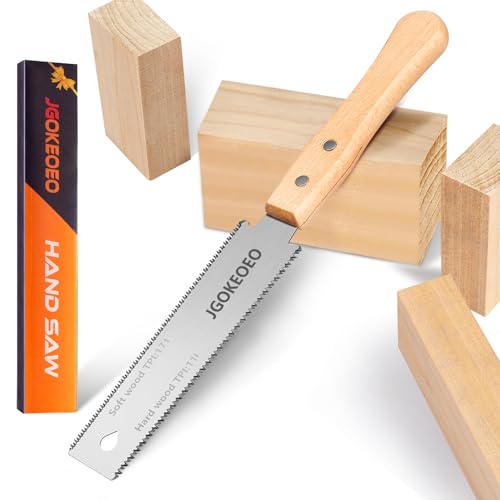
The JGOKEOEO 6-inch double-edge flush cut saw provides flexibility for flush cuts across different densities of wood. Its SK5 high-carbon steel blade is designed to stay sharp, with a blade thickness optimized for precise edge work. One side offers 11 TPI for softer wood, while the other provides 17 TPI for harder woods, enabling accurate clean-ups and fine detailing without switching tools.
The blade’s triple-ground teeth and heat-treated construction deliver enhanced performance and durability, allowing you to maintain a consistent cut across joints, trim work, and small wood components. A wooden handle offers a comfortable, secure grip, helping users maintain alignment during delicate flush cuts and fine finishing tasks.
Designed to be lightweight and nimble, this saw is suitable for beginners learning flush-cut technique as well as professionals who need a dependable tool for cabinetry and furniture fabrication.
YUQGAOP 11/17 TPI Double Edged Pull Saw

The YUQGAOP pull saw offers a double-edged blade with 17 TPI for hard wood and 11 TPI for soft wood, enabling efficient flush cuts across a range of materials. The SK5 high-carbon blade contributes to sharpness and durability, while the Japanese processing behind the tool emphasizes precision engineering and consistent performance in finish work. The blade’s flexibility supports flush-cutting joints and trim work that require careful control and clean edges.
Crafted with a focus on durability, the saw features a robust wooden handle designed for comfort during extended use. The combination of dual tooth configurations and a sturdy handle makes this model a versatile option for cabinet making, trim work, and intricate joinery where flush cuts are essential.
Overall, this tool suits woodworkers who value dual-edge versatility, precise control, and a reliable edge that remains sharp through multiple jobs, from hobby workshop projects to professional shop settings.
Buying Guide
Choosing the right flush cut saw involves balancing blade length, edge design, tooth configuration, and handle comfort to match your typical projects. Ask yourself whether you need the reach of a 6-inch blade or the compact precision of a 5-inch version. Consider how often you work with hardwoods versus softwoods, and whether you value two-edge versatility or a specialized single-edge tool for flush trimming.
Key purchase considerations include blade material and hardness. SK5 and similar high-carbon steels offer strong edge retention and durability for repeated cuts in joinery and finishing work. Look for blades treated with heat or high-frequency hardening to resist wear over many sessions. A well-made pull saw should cut smoothly with minimal binding and deliver a slim kerf to minimize tear-out in delicate surfaces.
Edge design matters for flush work. Double-edge Ryoba models provide options for rough and finish passes without changing tools, while single-edge flush-cut designs emphasize finish cuts and minimization of kerf for tight spaces. Teeth per inch (TPI) affects cutting speed versus smoothness. Lower TPI (around 11) handles softer woods more aggressively, while higher TPI (around 17) yields finer, cleaner cuts in harder woods. Consider a blade with both configurations if your projects vary widely.
Handle ergonomics and weight distribution impact control. Wooden handles with contoured grips are common in traditional Japanese saws and can reduce fatigue during long sessions. A secure, comfortable grip helps maintain alignment and reduces slip, especially when working close to surfaces or in narrow spaces. If you work in a cramped shop or often trim dowels, a lighter tool with a balanced feel can enhance precision and reduce user fatigue.
Maintenance and care influence tool longevity. Keep blades dry when not in use, wipe away resin buildup, and occasionally oil the blade to prevent rust. Proper storage away from humidity and direct sunlight helps preserve the edge. When sharpening or replacing blades, follow manufacturer guidelines to maintain the correct kerf and tooth geometry for optimal flush cutting performance.
Brand reputation and availability also matter. Established brands with Japanese craftsmanship offer consistent quality and readily available spare parts or replacement blades. If you frequently perform trim work in cabinetry or furniture, investing in a proven model with durable steel and ergonomic design can yield better long-term value than cheaper, lower-quality alternatives.
Comparison Snapshot
| Aspect | 5″ SUIZAN | 6″ RUITOOL | Temple Tool | JGOKEOEO | YUQGAOP |
|---|---|---|---|---|---|
| Blade Length | 5″ | 6″ | 6″ | 6″ | 6″ |
| Edge Type | Double Edge | Double Edge | Double Edge | Double Edge | Double Edge |
| Tooth Profile | Not specified | 14/17 TPI | Not specified | 11/17 TPI | 11/17 TPI |
| Notable Benefit | Compact flush cuts; Japanese craft | Versatile finish and rough cuts | Elegant brass handle; precise cut | Flexible, two-edge teeth | Japanese process; dual-edge versatility |