Best Electric Pipe Wraps for Freezing Weather
The right electric heat tape or pipe wrap helps prevent frozen pipes and ensures steady water flow in frigid conditions. This guide highlights five dependable options designed for metal or plastic pipes, with varying lengths and safety certifications. Each product features automatic thermostats, energy-saving designs, and durable construction for American homes. Use these insights to compare installation ease, safety features, and long-term reliability across popular brands.
| Product | Brand | Length | Key Feature |
|---|---|---|---|
| Frost King HC3A Automatic Electric Heat Kit | Frost King | 3 ft | Keeps water flowing to -40°F |
| Frost King HC12A Automatic Electric Heat Kit | Frost King | 12 ft | Keeps water flowing to -40°F |
| HEATIT Electric Heating Cable | HEATIT | 3 ft | CSA & ETL certified, -40°F capable |
| GOOIKOS 60 ft Heat Tape | GOOIKOS | 60 ft | Smart thermostat, 8W/ft |
| Cupohus Heat Tape with Thermostat | Cupohus | 12 ft | Thermostat-controlled, safe operation |
Frost King HC3A Automatic Electric Heat Kit

Product overview: Frost King offers compact 3-foot heating cable designed for metal and plastic water pipes. It operates at 120V and 7W per foot, providing reliable freeze protection and maintaining water flow down to -40°F. The HC3A is suitable for smaller pipe runs where space is limited and quick installation is desired. It pairs simple installation with consistent performance in cold climates, making it a common choice for residential water lines.
Safety and installation notes: This kit emphasizes straightforward use with a built-in thermostat. It’s important to ensure correct routing along the pipe and to avoid overlapping sections that could cause overheating. As with all heating tapes, keep the cord away from sharp edges and never wrap around exposed electrical connections. The 3-foot length makes it ideal for short pipes or for extending heat along a single bend.
Frost King HC12A Automatic Electric Heat Kit
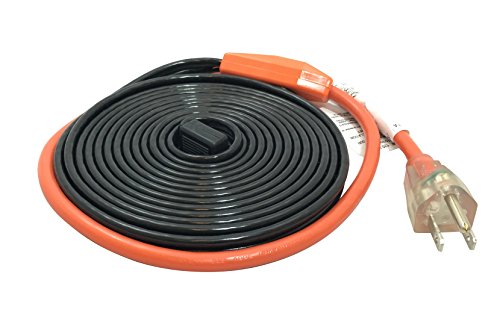
Product overview: The Frost King HC12A expands coverage with 12 feet of heat cable, suitable for longer runs or multi-branch pipes. It maintains water flow down to -40°F and delivers 7 watts per foot at 120V. This option is commonly used for both metal and plastic pipes that require extended freeze protection along the run, reducing the risk of ice blockages during severe cold snaps.
Safety and installation notes: Plan an even distribution along the pipe to avoid hotspots. Ensure the entire length has contact with the pipe’s surface and avoid bunching or twisting of the tape. As always, verify outlet safety, and use a GFCI outlet where possible for electrical protection in damp indoor or outdoor settings.
HEATIT Electric Heating Cable for Water Pipes

Product overview: HEATIT emphasizes safety and reliability with full CSA and ETL certification across the complete assembly, including the plug. The cable is designed to operate down to -40°F and includes a built-in thermostat plus 5 to 35 feet of installation accessories, making it suitable for longer runs and more complex pipe layouts. The durable nickel-chromium heating wire and IP67-rated construction offer water and dust protection for challenging environments.
Safety and installation notes: Full certification reduces risk concerns for homeowners. Use the included 3-foot power cord and ensure proper sealing at terminations. This option is particularly attractive for users who want robust certification and clear safety guarantees for longer, more exposed installations.
GOOIKOS 60ft Heat Tape for Water Pipes

Product overview: GOOIKOS offers a longer 60-foot heat tape with an 8W per foot output and a smart thermostat that responds to ambient temperature. The system activates when temperatures approach freezing and deactivates as demand declines, delivering energy efficiency without sacrificing pipe protection. The product emphasizes a triple-core copper conductor and enhanced outer coating for durability in outdoor or unheated spaces.
Safety and installation notes: Look for CSA and ETL certification to ensure compliance with North American standards. The longer length is well-suited for larger pipe runs or installations across multiple sections of a building, reducing the need to splice multiple shorter cables.
Cupohus Heat Tape With Thermostat

Product overview: Cupohus combines a 12-foot heat tape with an integrated thermostat to provide automatic cooling and heating control for metal and plastic pipes, including roofs and RVs. The thermostat-driven operation helps minimize energy use by engaging only when temperatures dip toward freezing, maintaining flow and reducing risk of pipe bursts in exposed outdoor plumbing.
Safety and installation notes: The system uses standard 120V power and includes safety features designed to prevent overheating. When planning installation, route the cable along the pipe length with attention to even contact and avoid squashing the thermostat wiring. It is suitable for use in outdoor winter environments and other exposed placements where freeze protection is essential.
Buying Guide: Key Purchase Considerations
- Pipe compatibility: Confirm whether the heat tape is rated for metal, plastic, or both pipe types, and check the operating temperature range to ensure protection down to -40°F or lower if your climate demands it.
- Length and coverage: Longer cables cover more pipe, reducing the need for splicing. Match the length to your pipe run and consider multiple sections for bends or corners to avoid gaps in protection.
- Thermostat and controls: Self-regulating or thermostat-controlled designs help optimize energy use. A built-in thermostat reduces the risk of overheating and lowers electricity costs by engaging only when needed.
- Safety certifications: Look for CSA, ETL, and UL listings for electrical safety. Fully certified assemblies (not just the plug) provide stronger assurances of performance and compliance in North America.
- Durability and weather resistance: Outdoor installations benefit from IP-rated housings, waterproof cables, and robust insulation. Consider materials that resist UV, moisture, and chemical exposure for longevity.
- Installation ease: Some kits include necessary tapes, tapes with aluminum shielding, and built-in thermostats, while others require additional components or professional installation. Evaluate your DIY comfort level and available mounting options.
- Energy efficiency: Self-regulating and thermostat-based tapes typically reduce energy use compared with constant-heating solutions. Review wattage per foot and the total draw to avoid overloading circuits.
- Safety considerations: Use GFCI outlets in damp or outdoor environments, and avoid placing heat tapes near combustible materials. Ensure cords and hoses remain clear of sharp edges or wet conditions where possible.
- Maintenance: Look for tapes with corrosion-resistant cores and durable outer jackets. Consider replacement cycles if the pipe run is subject to shifting or heavy exposure to weather conditions.
- Application scenarios: Roofs, gutters, outdoor faucets, RV hoses, and exposed plumbing all benefit from appropriate heat-tape strategies. Choose a model suited to the intended use—short runs indoors vs. long outdoor exposure.