Best Electric Hand Planers for Precise Woodworking
Electric hand planers help woodworkers flatten, bevel, and create precise edge work quickly. Whether trimming doors, squaring boards, or crafting rabbets, the right planer can save time and improve accuracy. This guide highlights five capable models that balance power, control, and ergonomics, including both corded and cordless options. Each selection emphasizes depth control, dust management, and reliable blades to handle common shop tasks with consistent results.
Below is a quick summary of the five chosen models, focusing on core strengths you’ll notice in real-world use. The table helps you compare cutting width, motor power, and depth range at a glance, so you can pick the right tool for your projects without sifting through pages of specs.
| Product | Brand | Main Advantage |
|---|---|---|
| WEN 6530 | WEN | High speed, rabbeting guide, multiple depth stops |
| WEN 6534 | WEN | Greater cutting width for bigger stock |
| Jellas EP01 | Jellas | Dual-dust out system, dual-handle design |
| SKIL PL201201 | Skil | Precision planing, kickstand, safe operation |
| MtiolHig Cordless 3-1/4″ | MtiolHig | Cordless convenience with solid speed |
WEN 6530 6-Amp Planer
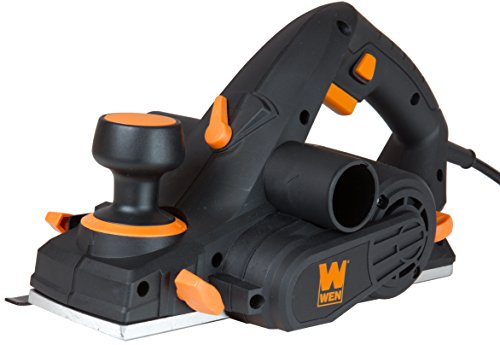
The WEN 6530 is driven by a 6-amp motor that delivers up to 34,000 cuts per minute, enabling fast stock removal on small to medium projects. It offers 16 positive stops and a depth range from 0 to 1/8 inch, giving you repeatable results for light surfacing or more aggressive planing tasks. A 5/16-inch rabbeting guide supports edge work, making it a practical choice for creating joints and shelves without switching tools. The 3-1/4-inch cutting width keeps the tool compact while handling common boards with ease.
Design-wise, the 6530 emphasizes control and accessibility. The depth stops help you dial in precise settings for multiple passes, and the compact body reduces fatigue during extended sessions. Home workshop users will appreciate the included features that balance speed and accuracy, though heavier stock or very wide boards may demand slower, more deliberate passes to maintain surface flatness. Overall, it’s a versatile option for DIY projects and light professional jobs.
WEN 6534 8-Amp Planer
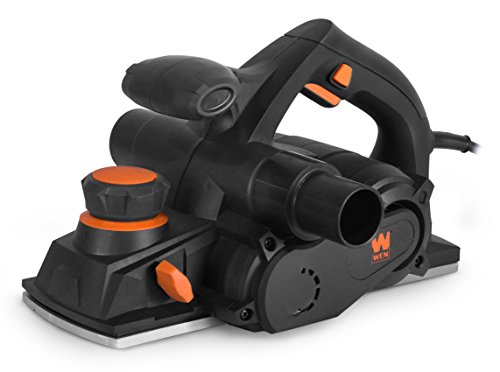
The WEN 6534 brings a more powerful 8-amp motor to the same 16-stop depth system, delivering up to 32,000 cuts per minute. Its larger 4-3/8-inch cutting capacity enables planing wider boards or removing material from two-by material in fewer passes, an advantage for framing or bulk edge work. Like the 6530, it offers adjustable depth from 0 to 1/8 inch, which helps crews establish consistent depths across multiple parts. Its extra width expands the tool’s versatility in a busy shop or job site.
Ergonomics and setup are straightforward, with repeatable depth settings and a sturdy build designed for longer sessions. The 6534 excels when you need to process wider planks or achieve precise thickness on multiple pieces quickly. While heavier than some compact models, its power-to-weight ratio supports faster results on larger tasks, and the consistent cuts help ensure uniformity across boards without sacrificing finish quality.
Jellas EP01 7.5-Amp Planer

The Jellas EP01 combines a 7.5-amp motor with a high speed of 33,000 cuts per minute and a 3-1/4-inch planing width. It includes advanced dust management with a dual-dust out system, which helps keep the work surface cleaner during operation. The dual-handle design and blade protector add ergonomic benefits and safety, while two reversible HSS blades and two carbon brushes ready the planer for extended use and easier blade replacement. This model is well-suited for hobbyists who want a robust performer with efficient dust control.
In practice, the EP01 balances power and control for finishing tasks like surfacing cabinet panels or doors. The dual-handle configuration reduces user fatigue on long sessions, and the blade system provides reliable removal with a consistent finish. While some users may opt for a lighter tool for very basic tasks, the Jellas EP01 shines in mid-range projects that demand steady performance, good dust capture, and dependable blade life.
Skil PL201201 6.5 Amp Planer

Skil’s PL201201 brings a 6.5-amp motor into a compact 3-1/4-inch package with thoughtful features for precise work. Dual chip exhaust helps keep the workspace clear, while the built-in kickstand protects the work surface and prevents accidental gouges when setting the tool down. The included wrench storage keeps essential tools at hand, and the lock-off switch adds a safety layer against unintended starts. This model is a practical choice for small shops or classrooms where reliability and ease of use are priorities.
Beyond basic planing, the PL201201 emphasizes accuracy and surface protection. The kickstand and clear sightlines help users position the blade accurately before starting passes, reducing the risk of marring finished surfaces. Its balanced weight and control-focused features make it suitable for trim work, doorway fitting, and edge shaping. If you value predictable behavior and straightforward operation, this Skil option delivers dependable results in a compact design.
Cordless 3-1/4-Inch MtiolHig Planer
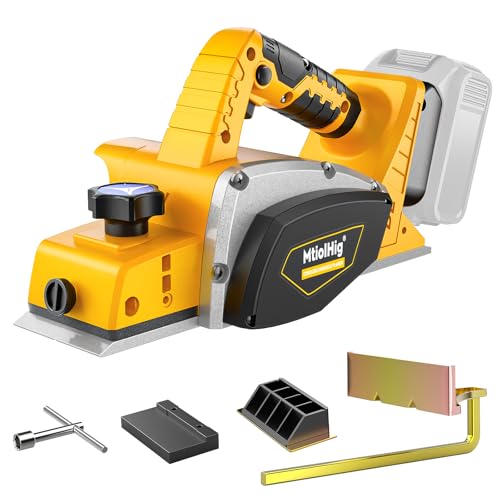
The MtiolHig cordless planer offers the convenience of a 3-1/4-inch planing width with no cord, relying on a Dewalt 20V battery (not included). It features a no-load speed of 15,000 RPM and a depth adjustment range up to 0.08 inches (2 mm), with a precision of 0.01 mm. A brushless motor design contributes to efficiency and longer tool life in the workshop. The planer is designed to balance mobility with solid removal capacity for on-site work or tighter shop spaces where a corded tool would be less practical.
In practical use, the cordless design allows you to reach doors, cabinets, and furniture without dragging extension cords. The 0-2 mm depth range supports fine finish work, chamfering, and light surface flattening. While battery-powered operation means you’ll need to manage charge times for longer sessions, the flexibility can be a decisive advantage for mobile projects and quick fixes around the shop or job site.
Buying Guide
Power And Performance
Planers range from about 3.0 to 8.0 amps, with speeds typically between 15,000 and 34,000 cuts per minute. Higher amperage generally translates to faster stock removal and better performance on hardwoods, but weight and balance matter too. For hobby projects and smaller boards, 3.8–6.0 amps is often enough, while cabinetmaking or rough stock removal benefits from 8.0 amps or more. When choosing, consider typical material hardness and desired finish quality.
Cutting Width And Depth Range
A wider cutting width (2-3/8″ to 4-3/8″) lets you plane broader boards in fewer passes, saving time on large panels. Depth adjustment, typically from 0 to 1/8 inch, determines how aggressively the tool removes material and how many passes you’ll need to reach target thickness. Some models include fine-grain stops (e.g., 16 stops) that enable repeatable depths, which is especially helpful when matching multiple pieces for a project.
Dust Management
Effective dust collection improves visibility and finish quality. Look for dual-dust outlets or integrated chip exhaust that channels chips away from the cut line. A clean work surface reduces errors, and good dust control is especially important when planing plywood or veneer stock where chips can mar surfaces if not managed properly.
Ergonomics and Safety
Ergonomic handles, weight distribution, and balance influence ease of use over long sessions. Features like dual-handle configurations, kickstands, blade protectors, and lock-off switches enhance safety and control. If you plan to use the tool for extended periods or in tight spaces, prioritize models with comfortable grips and accessible controls.
Corded vs Cordless
Corded planers deliver consistent power without worrying about battery life, making them reliable for busy shops. Cordless models provide portability and reach in tight spaces or on-site work but require battery management and typically have lighter cutting capacity. If you do most of your work in a fixed shop, a corded model is often the practical choice; for on-site projects, a cordless option adds value.
Blades, Maintenance, And Value
Most planers ship with standard HSS or carbide blades and offer straightforward replacement or rotation. Reversible blades extend service life, while blade guards protect the cutting edge between uses. Compare blade availability, replacement cost, and ease of sharpening or replacement when evaluating overall value and uptime on projects.
Cost, Warranty, And Support
Prices vary with power, width, and features like dust collection and battery compatibility. A solid warranty and access to parts and service influence long-term reliability. If you anticipate frequent use or professional applications, invest in a model with robust build quality, spare parts availability, and responsive customer support to reduce downtime.
Versatility For Different Projects
Think about the kinds of tasks you perform most often: edge planing, door trimming, beveling, or cabinetry work. A planer’s width, depth range, and ergonomics should align with those tasks. For mixed shop use, a model with strong edge work features (rabbeting guides, boots, or kickstands) plus good dust control tends to cover the broadest set of applications.
In summary, the top five models featured offer a balance of power, control, and practicality across both corded and cordless formats. Your ideal choice will depend on whether you prioritize cutting width, the ability to work on larger stock, portability, or a combination of features that suits your typical workflow. Each model discussed delivers reliable performance for common woodworking tasks, helping you achieve flatter surfaces, cleaner edges, and precise depths with consistent results.