Best Electric Baseboard Thermostats for Precise Home Heating
Choosing the right electric baseboard thermostat can improve comfort, save energy, and reduce heating costs in an all-electric home. This guide reviews five popular options, spanning smart Wi‑Fi models, programmable line‑voltage thermostats, and reliable manual controls. Each choice supports high‑voltage systems and offers distinct features such as remote apps, voice control, or simple, dependable operation. Read on to compare compatibility, installation requirements, and key advantages for typical American homes with 120V or 240V baseboard heating.
| Product | Brand | Key Feature |
|---|---|---|
| Mysa 240V Smart Thermostat | Mysa | HomeKit/Alexa/Google Home, 100% free app, adaptive display |
| Honeywell TL8230A1003 | Honeywell | 7‑day programmable, 208/240V, precise control |
| Cadet F Series BTF2W | Cadet | Double pole, built‑in, 120/208/240V with easy end‑mount |
| Meross Smart Thermostat | meross | Wi‑Fi, HomeKit/Alexa/Google, 120V‑240V, 16A max |
| MOES Programmable Thermostat | MOES | 4 wires required, remote control via app, 120/240V |
Mysa 240V Smart Thermostat for Baseboards

Mysa’s 240V smart thermostat is designed for high‑voltage electric baseboard heaters and fan‑forced heaters. It supports up to 3800W at 240V and requires at least four wires, including a neutral or a second live wire, for proper functionality. The device integrates with HomeKit, Alexa, and Google Home, enabling voice commands and remote control through a companion app. It features adaptive brightness for display comfort and provides temperature and humidity alerts, energy insights, and scheduling options to optimize heating schedules without manual adjustments. Compatibility should be verified for older or two‑wire installations before purchase.
With the Mysa, users get a modern, app‑driven interface and remote access any time, which is useful for vacation homes, remotely managed rental units, and energy‑conscious households. The emphasis on 120V/240V high‑voltage support makes it a strong fit for newer or renovated electric baseboard systems that can supply four wires and a neutral. Pros include smart home integration, energy alerts, and adaptive display; a consideration is ensuring full wiring compatibility and a reliable Wi‑Fi connection for remote features.
Honeywell TL8230A1003 Line Volt Thermostat
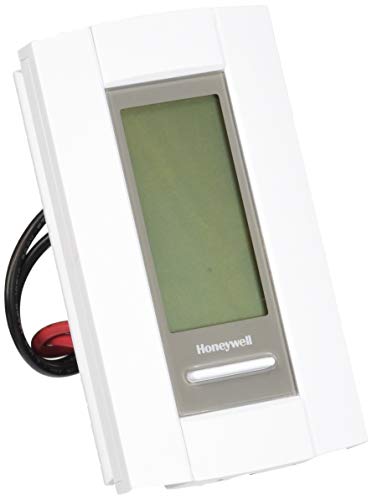
The Honeywell TL8230A1003 is a 7‑day programmable line‑voltage thermostat designed for 208/240V systems. It supports a full week of programmable scheduling to shape daily heating patterns and help achieve energy savings. The electronic temperature control provides precise settings, with a typical accuracy that can help reduce unnecessary temperature fluctuations. It uses a 4‑wire, double‑pole configuration and operates without batteries, minimizing maintenance hassles. This model prioritizes quiet operation and reliable performance for baseboard heaters, convectors, and similar line‑voltage applications.
Ideal for users who prefer a programmable interface over smart home connectivity, the TL8230A1003 suits retrofits or spaces where a simple, dependable control is preferred. Its 15 A resistive rating and 15‑minute heating cycles help balance comfort with efficiency. Users should confirm compatibility with their existing wiring and heater type, and note that integration with voice assistants is not a built‑in feature of this model.
Cadet F Series Baseboard Thermostat BTF2W

The Cadet F Series BTF2W is a double pole built‑in thermostat designed for Cadet baseboard heaters and rated at 22 amps across 120/208/240 volts. It features a large adjustment dial for straightforward temperature control and is specifically engineered for Cadet F series units, simplifying installation by mounting at either end of the heater to minimize wiring requirements. The model supports consistent temperature management and can help reduce energy waste in spaces with electric baseboard heating, though it is limited to Cadet baseboard configurations.
For installations that prioritize a compact, built‑in control with minimal wiring, the BTF2W provides reliable performance with straightforward setup. Homeowners should check heater compatibility and ensure the unit is used with the Cadet F series components as designed. The dial‑style operation is simple but may not offer the advanced scheduling or remote capabilities of smart thermostats.
Meross Smart Thermostat for Baseboards

The Meross smart thermostat is designed for electric baseboard and related high‑voltage heaters, working with 120V–240V systems. It supports a maximum load of 16A, or up to 1920W at 120V and 3840W at 240V, making it suitable for many standard baseboard setups. The installer must provide at least four wires in the electrical box. It offers voice control and integration with Apple HomeKit, Alexa, Google Home, and SmartThings, which enables convenient control via app or voice commands. The setup emphasizes remote scheduling and energy management.
Meross emphasizes easy installation and broad smart‑home compatibility, appealing to users seeking a connected, convenient way to manage heat. Potential considerations include ensuring the electrical box contains the required four wires and confirming compatibility with existing baseboard models. The inclusion of SmartThings adds versatility for homes deploying multiple ecosystems beyond Apple or Google environments.
MOES Programmable Smart Thermostat for Baseboards

The MOES programmable thermostat is designed for 120V/240V electric baseboard heaters and requires at least four wires, including a neutral or second live wire. It offers remote control via the Smart Life/TUYA app and supports 2.4G Wi‑Fi for stable connectivity. The device is intended to optimize energy usage by setting schedules to heat only when needed, helping reduce energy waste while maintaining comfort. It is suitable for users who want smartphone‑based scheduling and remote operation across compatible smart home ecosystems.
MOES emphasizes easy installation and flexible high‑voltage compatibility, making it a practical option for households upgrading from manual controls. Users should verify wiring, neutrals, and compatibility with their baseboard configuration. While it provides app‑based control and energy savings, advanced features may rely on ongoing app support and cloud connectivity.
Buying Guide
Key purchase considerations help ensure you select a thermostat that fits your baseboard system, wiring, and smart‑home preferences. The following points compare common scenarios and product types.
- Voltage and wiring requirements: Most high‑voltage baseboard thermostats require 120V or 240V and at least four wires (including a neutral or second live). Verify your electrical box before choosing a model to avoid compatibility issues.
- Smart home features vs. programmable control: Smart models (Mysa, Meross, MOES) offer mobile apps, voice control, and integrations with HomeKit, Alexa, and Google Home. Programmable and manual models (Honeywell TL8230A1003, Cadet BTF2W) focus on schedules or straightforward operation without remote access.
- Load capacity and heater compatibility: Baseboard systems vary in wattage. Models like Meross and MOES support up to 3840W at 240V, while Cadet and some Honeywell units provide specific amperage ranges. Choose a thermostat that matches or exceeds your heater’s wattage rating to avoid overheating or inadequate control.
- Installation and mounting style: Some thermostats mount inline on the heater (Cadet BTF2W), while others are wall‑mounted with end‑mount compatibility and easier wiring access (Mysa, Meross, MOES). Consider the physical space, accessibility, and whether you prefer built‑in or remote options.
- Smart ecosystem compatibility: If you use HomeKit or a preferred platform (Alexa, Google Home, SmartThings), prioritize models with native integration. Consider privacy, data handling, and app reliability when selecting a connected thermostat.
- Reliability and noise: Some line‑voltage thermostats have audible switching or “clicks.” If quiet operation is important, look for models with updated electronics or non‑intelligent switching options that minimize noise.
- Comparison snapshot:
- Mysa, Meross, MOES: Wi‑Fi connected, remote control, voice assistant support, and energy‑saving features.
- Honeywell TL8230A1003: Programmable scheduling with strong reliability for 208/240V systems.
- Cadet BTF2W: Built‑in, end‑mount versatility for Cadet baseboard units with straightforward dial control.