Best Dust Extractor for Woodworking: Top Picks for a Clean, Safe Shop
Woodworking generates a lot of fine dust, so choosing the right dust extractor is essential for air quality, tool performance, and health. The five models below offer strong suction, efficient filtration, and practical design for home shops and professional setups. They cover standalone dust collectors and cyclone separators, giving you options based on shop size, workflow, and maintenance needs. Each model balances power with portability and filtration to keep your workspace cleaner and more comfortable during long sessions.
To help you compare quickly, the table below lists the chosen models, their brands, type, and a key benefit.
| Product | Brand | Type | Key Benefit |
|---|---|---|---|
| WEN DC1300 Dust Collector | WEN | Dust Collector | High capacity with dual inlets |
| DEWALT Dust Separator DXVCS002 | DEWALT | Dust Separator | 99.5% efficiency; reduces clogging |
| Dustopper PRO Low-Profile Separator | Dustopper | Low-Profile Separator | Pre-separates >99% of debris |
| BOSCH VAC090AH Dust Extractor | BOSCH | Dust Extractor | Auto Clean; HEPA filtration |
| Fein Turbo I Wet/Dry Extractor | Fein | Wet/Dry Extractor | Quiet, high suction, versatile reach |
WEN DC1300 Dust Collector

The WEN DC1300 delivers up to 1,300 CFM, making it well suited for mid-sized shops with multiple tools in use at the same time. It supports two 4-inch inlets, enabling you to run two tools simultaneously without swapping hoses, which can streamline workflow and reduce downtime. The unit uses a vertical collection bag capable of holding a substantial amount of dust, helping minimize frequent bag changes during lengthy sessions. Its straightforward design focuses on reliability and effective debris management for everyday woodworking tasks.
DEWALT Dust Separator DXVCS002

DEWALT’s high-efficiency dust separator captures 99.5% of debris before it reaches the vacuum, reducing suction loss and the need for frequent filter changes. Designed for wide application, it handles wood chips, drywall dust, concrete dust, and more, making it versatile for mixed-material projects. The four-caster base provides stability and easy mobility around the workshop, while the 6-gallon poly tank is simple to empty. With compatible ports of 1-7/8″ or 2-1/2″, this separator works with most shop vacuums and tools, extending vacuum life and maintaining airflow.
Dustopper PRO Low-Profile Separator

Dustopper PRO is the original patented low-profile dust separator designed to work with standard shop vacuums and tools. It pre-separates more than 99.9% of typical shop dust before it reaches the vacuum, protecting filters and maintaining strong suction. The rigid PVC connection provides a tight, airtight fit with most hoses, reducing air leaks and clogs. It’s compatible with 2-1/2″ hoses, with adapters available for other sizes. For best results, use a vacuum with 5.0 HP or higher, which amplifies performance in busy woodworking environments.
BOSCH VAC090AH Dust Extractor
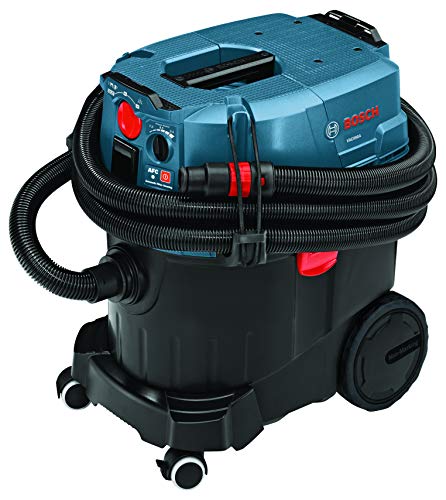
The BOSCH VAC090AH features auto cleaning, cycling the filter every 15 seconds to help maintain maximum suction without manual intervention. The included HEPA filter captures 99.97% of particles at 0.3 microns or larger, while the fleece bag offers optimal containment of dry dust and protects the filter. The system is designed with OSHA-compliant guard provisions to support safer dust management in professional settings. Its compact, portable design makes it suitable for small to medium workshops requiring dependable filtration with minimal maintenance.
Fein Turbo I Wet/Dry Dust Extractor
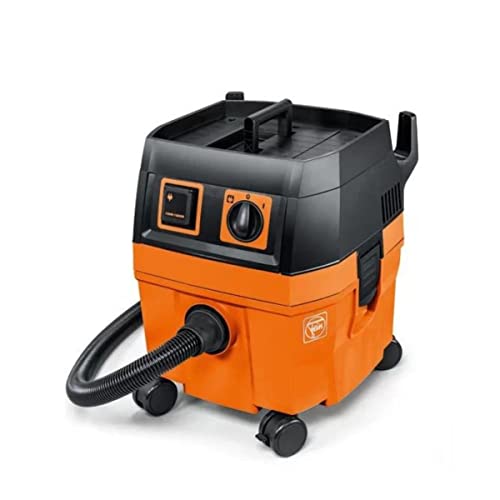
Fein Turbo I is built for demanding job sites and workshops, delivering strong suction with a high-efficiency 1100W turbine and up to 151 CFM, plus a 98-inch water lift for tough cleanup tasks. It operates at a low noise level of approximately 66 dB, making it suitable for indoor use without sacrificing performance. The unit includes a long 19-foot power cord and a 13-foot hose to maximize reach, and its 5.8-gallon capacity balances portability with dust storage, ideal for single-tool or compact multi-tool setups in tighter spaces.
Buying Guide
- Airflow and vacuum compatibility: Look for CFM ratings that match your tool lineup and ensure the unit can handle multiple tools simultaneously if needed.
- Filtration type: HEPA, fleece bags, or cartridge filters influence dust capture efficiency and maintenance costs. Cyclone separators can reduce filter loading in vacuums.
- Dust separation vs. direct extraction: Cyclone separators and low-profile pre-separators keep debris out of the main vacuum, extending filter life and maintaining suction.
- Port sizes and adapters: Check inlet/outlet diameters (commonly 1-7/8″, 2-1/2″, or 4″) and availability of adapters for your existing hoses and tools.
- Mobility and space: Consider wheel configurations, base stability, and footprint to fit your workshop layout and workflow.
- Noise and vibration: Quieter models improve comfort during long sessions; consider decibel ratings and isolation features if your space is shared or adjacent to living areas.
- Maintenance and replacement parts: Evaluate filter replacement costs, bag availability, and warranty support for long-term ownership.
- Power requirements: Ensure the unit’s electrical needs align with your shop’s circuits and breakers to avoid tripping during peak use.
- Safety and compliance: For silica and dust-heavy environments, select models with built-in safety features or OSHA-compliant design elements.