Best Drum Sanders for Small Shops: Top Picks and Guide
Small shops require sanding tools that balance space, power, and ease of use. A drum sander can flatten panels, smooth transitions, and reduce finishing time when chosen wisely. This guide highlights five drum sanders and related consumables that fit tight footprints, sensible budgets, and everyday use in a compact workspace. You’ll find options ranging from compact benchtop models to more capable mid-size machines, plus practical consumables to keep sanding consistent. The table below provides a quick snapshot, followed by detailed sections detailing each product’s strengths and ideal applications for a small shop.
| Product | Brand | Model | Notable Benefit |
|---|---|---|---|
| JET JWDS-1632 Drum Sander | Jet | JWDS-1632 | Sandsmart control and robust dust collection |
| P Polerden Drum Sander Belt | P Polerden | Conveyor Belt 18″ x 44-1/2″ | Heavy-duty 120 grit belt replacement |
| JET 10-Inch Benchtop Drum Sander | Jet | JWDS-1020 | Compact and versatile with variable speed |
| Shop Fox W1678 Drum Sander | Shop Fox | W1678 | Large-drum capacity for tougher jobs |
| Peachtree Drum Paper Rolls | Peachtree Woodworking Supply | 3″ x 35 ft rolls (80 grit) | Ready-to-cut rolls with varied grits |
JET JWDS-1632 Drum Sander

The JET JWDS-1632 is a 16-inch drum sander designed for steady performance in a compact footprint. It ships with an open stand, enabling straightforward access to the drum area and vacuum or dust-collection hookups. Powered by a 1-1/2 HP, 115V single-phase motor, this model suits small shops that need reliable material removal without overtaxing electrical circuits. The open stand also helps with wheel and belt changes, maintenance, and setup for different stock widths, making it a practical choice for frequent sanding tasks in a tight workspace.
Sandsmart control continually monitors the drum-motor load and adjusts the conveyor speed, preserving the highest feasible feed rate while preventing overload. This helps maintain consistent finish quality as stock density varies during a run. The conveyor bed parallelism is adjustable via a dial on the outside of the bed, allowing precise alignment with boards of different thicknesses. The dust hood features a patented integrated channel that mirrors the drum shape and routes chips and dust to the 4″ collection port. Coupled with a capable dust-collection system, it helps keep the shop organized and reduces cleanup time between jobs.
In a small shop, the JWDS-1632 pairs well with a dedicated dust-collection line and proper work-holding aids. Users benefit from predictable sanding results and straightforward maintenance, with ample capacity for panels, doors, and smaller furniture components. While it isn’t the lowest-cost option, its combination of performance, durability, and ease of use makes it a solid long-term investment for space-conscious workshops aiming to raise finish quality without expanding floor space.
P Polerden Drum Sander Belt 18″

The P Polerden replacement drum-sander belt is an 18-inch wide, 44-1/2-inch circumference belt with 120 grit, designed for heavier-duty service. Constructed from silicone carbide, it aims to provide longer belt life and more aggressive material removal than lighter-weight belts. The specified dimensions match common 18-inch drum sander models, including Grizzly G0458 and similar Shop Fox units, making it a versatile choice for refresh cycles or ongoing maintenance in a small shop. This belt is intended as a direct replacement for the service part numbers P0458165V2 and X1854Z095 and is compatible with several drum-sander feed belts.
Proper belt selection can impact finish consistency and part-to-part uniformity. The 120-grit rating suits initial stock removal and rough shaping while preserving surface integrity for subsequent sanding passes. For small shops, having a durable belt on hand minimizes downtime and keeps workflow steady, especially when working with hardwoods or species that tend to clog lighter media. Regular belt checks and alignment help maximize life and performance in between replacements.
When paired with an appropriate dust-collection setup, the Polerden belt becomes a reliable, cost-efficient consumable that complements a compact drum-sander lineup. It supports a practical maintenance strategy: rotate belts to even wear, keep the drum clean, and plan for replacement before belt life degrades finish quality. This approach helps a small shop maintain consistent results without sacrificing throughput.
JET 10-Inch Benchtop Drum Sander

The JET JWDS-1020 is a compact 10-inch benchtop drum sander that brings essential sanding power to small shops with limited floor space. Built with a heavy-duty die-cast aluminum and steel body, this model emphasizes rigidity and consistent results across extended sessions. An infinitely-variable speed control enables the operator to dial in the exact feed rate for a given stock and finish requirement, helping to prevent under- or over-sanding. Toolless abrasive take-up fasteners simplify changing sanding sleeves, reducing downtime between grits and workpieces.
With its smaller footprint, the JWDS-1020 is well-suited for doors, drawer fronts, trim, and other moderate-size panels where a full-size drum sander would be impractical. The combination of a robust chassis, adjustable speed, and quick belt access makes it a versatile option for daily use in a space-conscious shop. While it may not replace a larger drum sander for frequent heavy stock removal, it offers reliable performance for a wide range of light-to-medium sanding tasks in tight environments.
Shop Fox W1678 Drum Sander
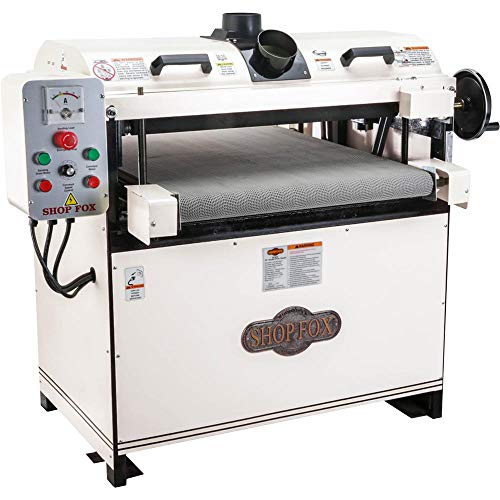
The Shop Fox W1678 Drum Sander is a robust 26-inch drum sander geared toward more demanding jobs in a small to mid-size shop. It features a powder-coated finish for durability and a design that supports longer boards and wider stock. The model specifies a minimum board length of 9 inches, enabling a range of cabinet doors and tabletops to be milled in a single setup. A hinged hood facilitates quick access for routine maintenance and belt changes, while the substantial motor and drive system deliver reliable sanding performance for heavier workloads.
In space-limited workshops, the W1678 remains a viable option when there is room for a larger footprint and greater material removal capability. Its design emphasizes rugged construction and practical maintenance, reducing downtime on longer or thicker components. As with any larger drum sander, ensure recommended clearances, dust collection access, and a stable mounting location to maximize performance and longevity in daily operations.
Peachtree Drum Paper Rolls
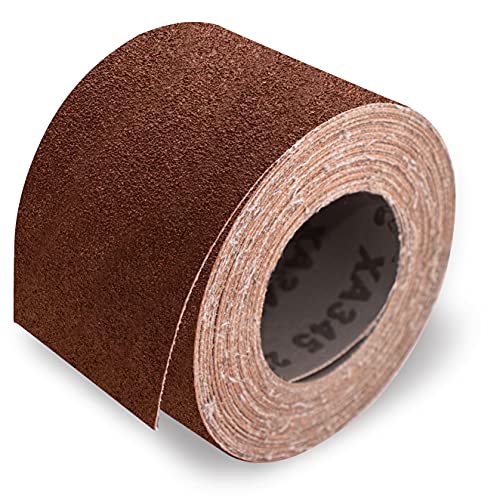
Peachtree Ready-to-Cut Drum Paper Rolls provide a practical consumable option for drum sanding tasks, designed to fit Jet 16-32 and similar drum sanders that accept 3″ wide rolls. The aluminum oxide rolls are resin-bonded to resist loading and deliver steady life across multiple passes. Available in a range of grits from 60 to 220, these rolls let operators tailor stock removal and finish quality as needed. The product’s Made in USA claim underscores a domestic supply chain advantage for shops that prioritize local sourcing and consistent supply.
These rolls simplify workflow by offering ready-to-cut length and a variety of grits in a single package. For small shops, keeping a stock of different grits on hand helps maintain consistent results across projects and reduces downtime spent on re-sizing or reordering consumables. Proper storage and rotation help maximize roll life and performance in daily operations.
Buying Guide
Choosing a drum sander for a small shop involves balancing footprint, power, and consumables against the work you do most often. The following considerations help compare models and related items across this list.
- Footprint and layout: Benchtop models like the Jet JWDS-1020 save space and fit under a workbench, while larger drum sanders such as the Shop Fox W1678 demand more floor area but handle wider stock and heavier removal. Measure doorways and ceiling height to ensure smooth setup and operation.
- Power and electrical requirements: Most small-shop drum sanders run on 115V single-phase. Consider HP and whether a dedicated circuit is needed to maintain consistent performance during longer runs. Balance power needs with available electrical capacity and future expansion plans.
- Drum size and consumables availability: A 16-inch drum provides ample capacity for panels and cabinet components, whereas an 18-inch belt or 26-inch drum requires more space but increases throughput. Check for readily available belts and replacement rolls in your preferred grit ranges to minimize downtime.
- Dust collection and hood design: A robust 4″ dust port and a well-designed dust hood are essential for keeping a small shop clean and extending filter life. Confirm compatibility with your existing dust-collection system and consider dedicated hose routing to reduce cross-contamination and clogging.
- Speed control and finish quality: Variable-speed options help tailor stock removal to the material and grain orientation, improving edge conditioning and surface uniformity. A simple on/off or fixed-speed setup may be sufficient for basic tasks, but variable control broadens capability for differing materials.
- Maintenance and parts availability: Look for machines with easy belt changes, accessible drive components, and a reliable parts network. For consumables, stock belts, rolls, and replacement dust-hood components to maintain consistent uptime.
- Accessories and ecosystem: Consumables such as 120-grit Polerden belts or 80-grit Peachtree rolls extend the machine’s usefulness. A broad selection of grits and belt types helps optimize both material removal and finish quality across different species.
- Cost of ownership: Initial price is only part of the equation. Consider the long-term cost of consumables, maintenance, and potential downtime. Brand support and warranty terms can also influence total value over the life of the machine.
For small shops, the best approach is to match the machine’s capacity to typical job sizes. A compact benchtop model offers the lowest footprint and fast setup, while a mid-size sander provides greater stock handling and a smoother finish on larger pieces. Consumables—belts and paper rolls—should be readily available and affordable to support ongoing production. By evaluating footprint, power needs, and consumable availability, you can select a drum sander and accessories that deliver consistent results without overwhelming a compact workspace.