Best Desk Balance Board for Standing Desks: Improve Comfort and Focus
Choosing the right desk balance board can reduce fatigue, improve posture, and boost focus during long work sessions. The five models below are popular choices for standing desks, offering different levels of stability, grip, and movement to fit varied comfort needs. Use the quick comparison table to skim features before diving into detailed product notes. Each option prioritizes ergonomic design and a lightweight, portable footprint so you can move between tasks or workspaces with ease.
| Product | Brand | Key Benefit |
|---|---|---|
| Whirly Board Wide | Whirly Board | Wide deck for stability |
| Amazon Basics Wood Wobble | Amazon Basics | Solid wood, versatile use |
| StrongTek Rocker Board | StrongTek | Compact, portable, anti-slip |
| FEZIBO Desk Mat | FEZIBO | Ergonomic wobble with mat |
| Gaiam Evolve Balance Board | Gaiam | Low-impact core engagement |
Whirly Board Wide Desk Balance Board
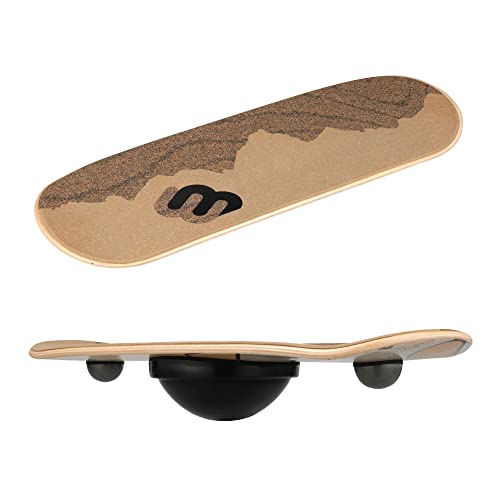
The Whirly Board Wide balances comfort and movement with a natural-motion design suited for extended standing. Its 10-inch wide Canadian maple deck provides a stable platform that supports active work without locking you into a rigid position. Pairing the board with a simple under-desk mat or a thin rug can enhance grip and comfort during long sessions. This model targets users who want a gentle, continuous micro-movement to reduce fatigue while maintaining a steady typing posture and focused workflow.
Amazon Basics Wood Wobble Balance Trainer Board
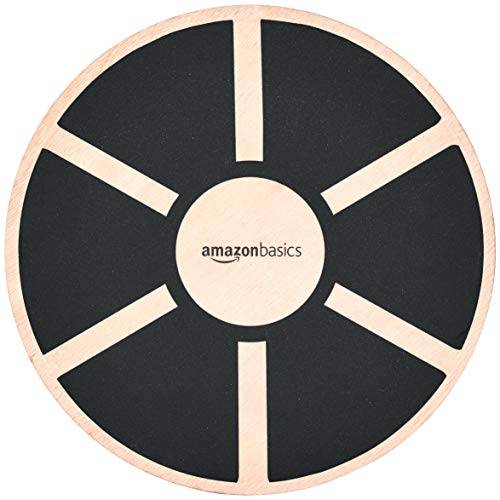
The Amazon Basics Wood Wobble Balance Trainer Board emphasizes core engagement through a solid wood top that supports up to a substantial weight. Its textured, non-slip surface helps maintain grip during stationary poses, light cardio moves, push-ups, planks, or standing balance drills. The product is versatile for home offices and small gyms, enabling a range of movements that promote balance without introducing excessive instability for new users or rehab-focused routines.
StrongTek Professional Wooden Balance Board

The StrongTek rocker board is designed to activate the core, boost agility, and improve reaction time through controlled, low-impact movements. Its compact footprint (about 17.5 by 13.5 inches) makes it suitable for desks, living rooms, or travel spaces, while a textured, slip-resistant surface provides stability during workouts or standing tasks. The board supports a broad range of fitness goals, from daily office use to more dynamic balance training or rehabilitation exercises.
FEZIBO Standing Desk Mat Balance Board
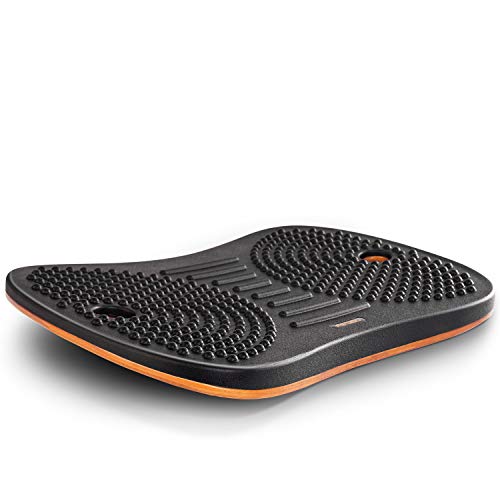
Fezibo combines a wobble board with an ergonomic anti-fatigue mat to promote micro-movements that soothe joints and boost leg circulation. The board features an 8.5-degree tilt and a 360-degree range of motion, encouraging hip-driven movement that minimizes typing disruption while standing. Its grip and stability are designed for continuous use, making it a practical choice for long workdays, reading, or light exercises at the desk.
Gaiam Evolve Balance Board

The Gaiam Evolve Balance Board emphasizes subtle, flexible motion to engage core and stabilizing muscles without excessive strain. Its ergonomic design supports neutral ankle positioning and stable footing on various floor types, including carpet or hard surfaces. The honeycomb texture provides a secure base, enabling users to maintain focus while performing desk tasks, stretching, or short balance routines during breaks.
Buying Guide
Key purchase considerations help tailor a balance board to your standing desk setup and fitness goals. Consider the following perspectives to choose the best option for your needs.
- Surface and deck material: Wood decks are durable and supportive, while wider decks offer greater stability for larger feet. Look for textured, anti-slip surfaces to reduce slipping during movement.
- Weight capacity and user size: Check weight limits to ensure compatibility with your body weight and activity level. A higher capacity reduces the risk of wear and improves longevity.
- Movement range: Rocker or wobble designs vary in tilt angle and motion. Choose based on how much micro-movement you want versus steadier support during typing and standing.
- Grip and stability: Non-slip bases, edge padding, and bottom grips help prevent slipping on hard floors and protect flooring from scuffs.
- Portability and size: Compact boards are easier to store and travel with, while wider boards offer more balance surface but take up more space.
- Ergonomic compatibility: For rehab or posture-focused goals, select boards that promote neutral ankle alignment and hip-driven movement to reduce strain on the lower back.
- Usage context: Office use, home workouts, or physical therapy may demand different features, such as additional cushioning, a mat, or a firmer grip.
- Maintenance and warranty: Durable wood surfaces and solid construction reduce wear over time. Look for warranties that cover typical usage in daily work or training.
- Price and value: Balance board options range from budget-friendly to premium. Weigh features like deck width, texture, and weight capacity against price for the best value.
- Accessibility: If you’re new to balance training, prioritize boards with clear grip and a gentle tilt to minimize initial discomfort and build confidence.